Alcohol addiction often starts subtly, but over time, it takes a toll. At Ojai Recovery, we offer trauma-informed treatment and medically supervised detox in a peaceful, supportive setting, helping you heal with dignity and rediscover a life beyond alcohol.

2 reviews
3 months ago
This place has changed my life! I never envisioned having an awakening until I came to this place. It is the best place in Ventura County. They have the most amazing staff who go out of their way to be there for you I personally Experienced so much love from them..extra bonus best food ever!

1 review
2 months ago
As a parent, I am so grateful to Ojai Recovery. My son they did help when I was almost desperate. He’s just hit one year sober and is doing great.

62 reviews
A month ago
Beautiful property! Staff is absolutely amazing and will help anyway they can!! A++
1 review
2 months ago

1 review
A day ago
Alcohol addiction, also known as Alcohol Use Disorder (AUD), is a chronic condition where drinking becomes something your mind and body feel they cannot function without, moving beyond habit into a physical and emotional dependence that feels increasingly difficult to control.
It’s not a moral failing or a lack of willpower; it’s a medical condition rooted in brain chemistry, life experience, and often unresolved pain that deserves real treatment and real compassion.
Signs & Symptoms of Alcohol Addiction:
You don’t have to figure this out by yourself. If any of these signs sound familiar, compassionate help is available. Reach out today to talk with a specialist and explore safe, supportive options for change.
According to NIAAA, acute and chronic effects of alcohol contribute to about 4.3 million emergency department visits and more than 178,000 deaths in the U.S. each year.
Alcohol addiction rarely stays the same—without support, it tends to deepen. Understanding what’s at stake isn’t meant to frighten you, it’s meant to remind you that getting help sooner rather than later is one of the most important decisions you can make for yourself and the people who love you.
Risks include:
Choosing to stop drinking is a powerful step, but alcohol withdrawal can be uncomfortable, and sometimes dangerous, without the right support. A safe, medical detox provides the care and stability you need to begin recovery with confidence. Our team combines medical expertise with compassionate attention to ensure you are supported physically, emotionally, and mentally every step of the way.
Dual diagnosis treatment is care that addresses both alcohol addiction and an underlying mental health condition (like anxiety, depression, or trauma) at the same time. For many people, the two are deeply connected and healing one without the other rarely leads to lasting recovery.
Dual diagnosis treatment is required when:
At Ojai Recovery, we know that healing from alcohol addiction is about more than just stopping drinking, it’s about rebuilding your life in a way that feels whole, balanced, and sustainable. Our approach blends evidence-based treatment with the natural serenity of Ojai, creating an environment where clients feel supported, seen, and empowered to recover.
Our addiction recovery programs are designed to help you slow down, focus inward, and find balance. In the heart of Ojai’s natural beauty, you’ll experience an environment that nurtures both mind and body, with gentle mountain breezes, open skies, and quiet moments that remind you how good life can feel.
Your days here at our Addiction Treatment Center in Oak View, CA may begin with a walk along the shore of Casitas Lake, where the sunlight dances on the water and the air feels fresh with possibility. You might spend your afternoons hiking shaded trails that wind through the hills, journaling on a sunlit porch, or simply listening to the sounds of nature, a bird’s call, a rustling leaf, the soft hum of the wind.
We look at your whole health picture – mind, body, and spirit. At our Alcohol Detox in Ventura County, CA, we offer therapy, yoga, meditation, nutrition guidance, and life skills training. These tools help you build a strong foundation for lasting recovery.
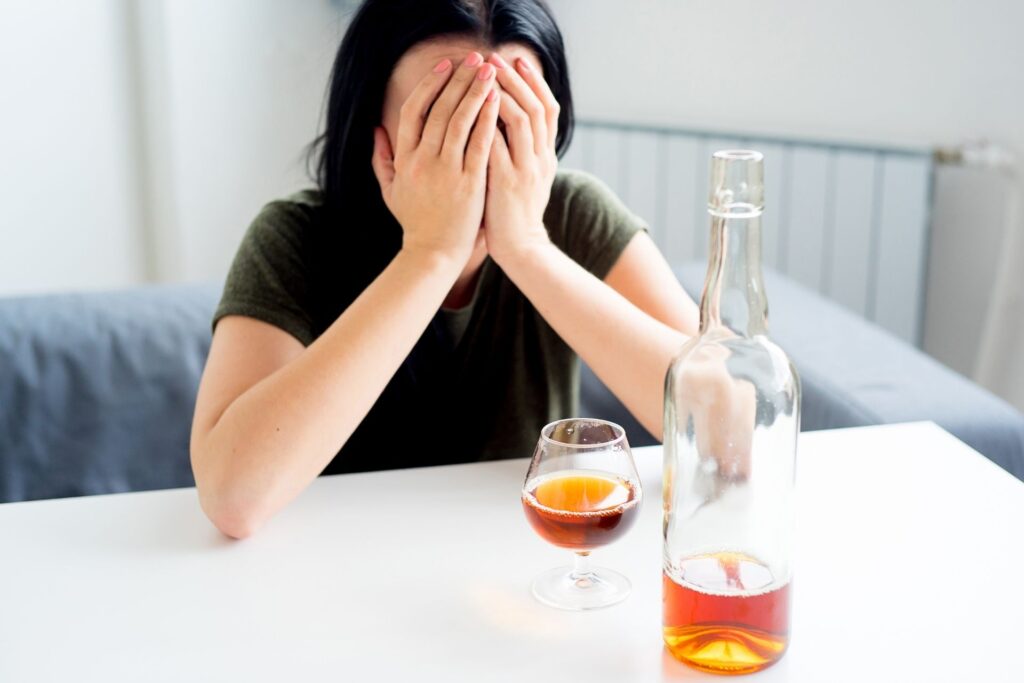
Chronic drinking, binge drinking, or self-medicating with alcohol often masks deeper emotional pain. We offer medical detox and trauma-informed therapy to help clients safely stop drinking, and rediscover life without it.
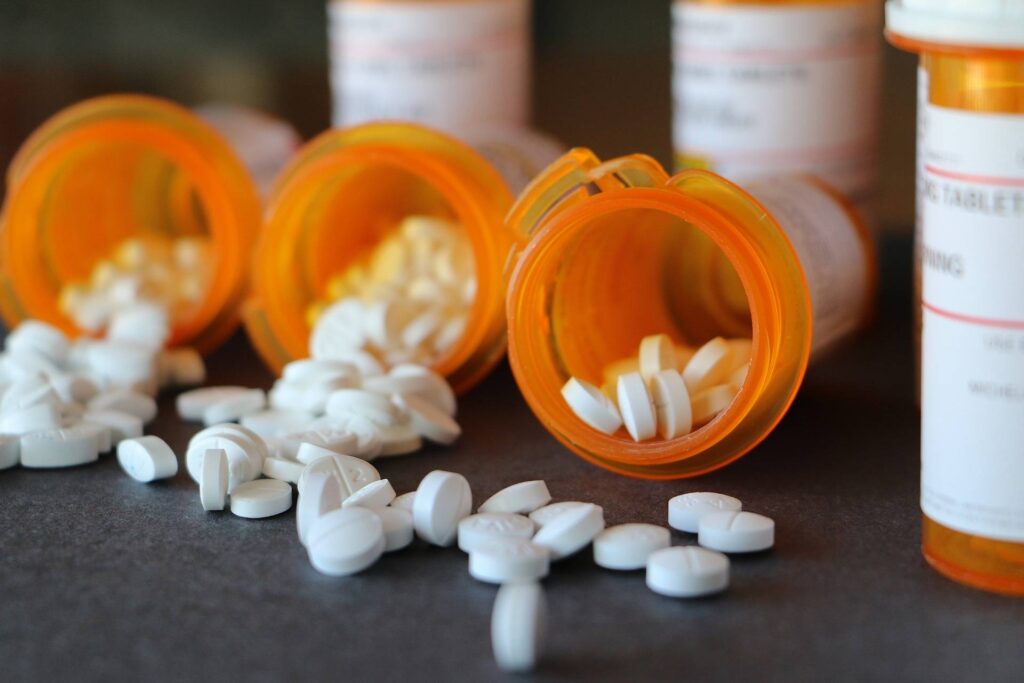
From heroin to fentanyl to prescription painkillers, opioid addiction requires careful detox, medication-assisted care when appropriate, and strong emotional support to address the trauma that often drives use.
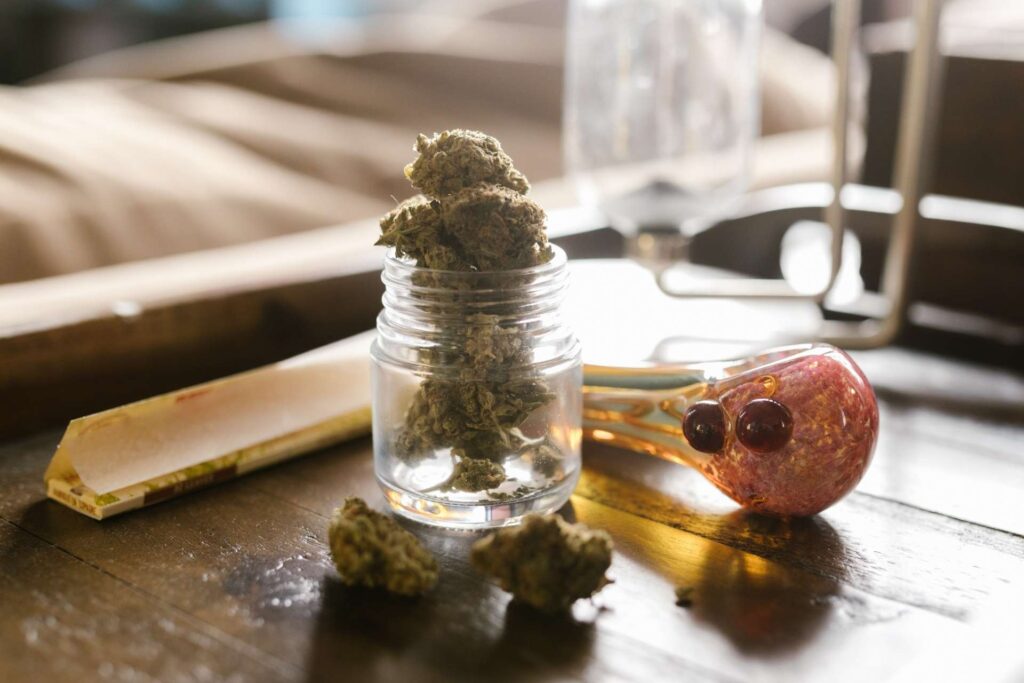
For those who feel emotionally dependent on cannabis, our program offers clarity, structure, and the chance to reconnect with purpose and energy beyond the haze.
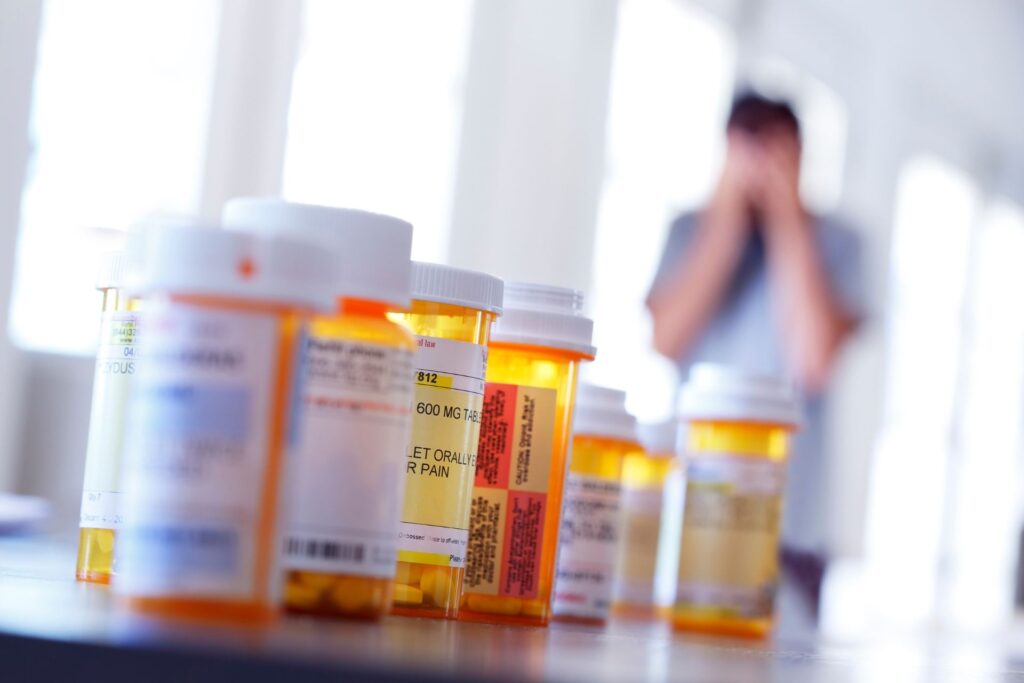
Whether painkillers, benzos, or ADHD medications, prescription drug misuse can quickly spiral into dependence. We treat this with clinical precision and deep compassion, focusing on both physical detox and emotional healing.
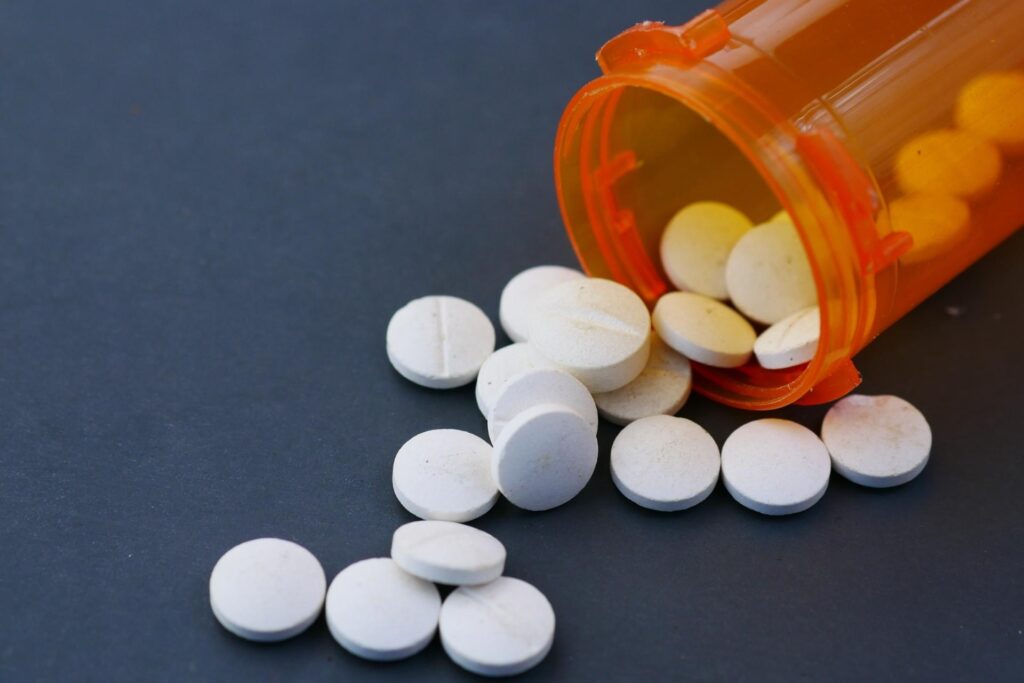
Cocaine, methamphetamine, and amphetamines can take a major toll on mental and emotional health. Our program helps clients rebuild from the psychological and neurological impact of long-term stimulant use.
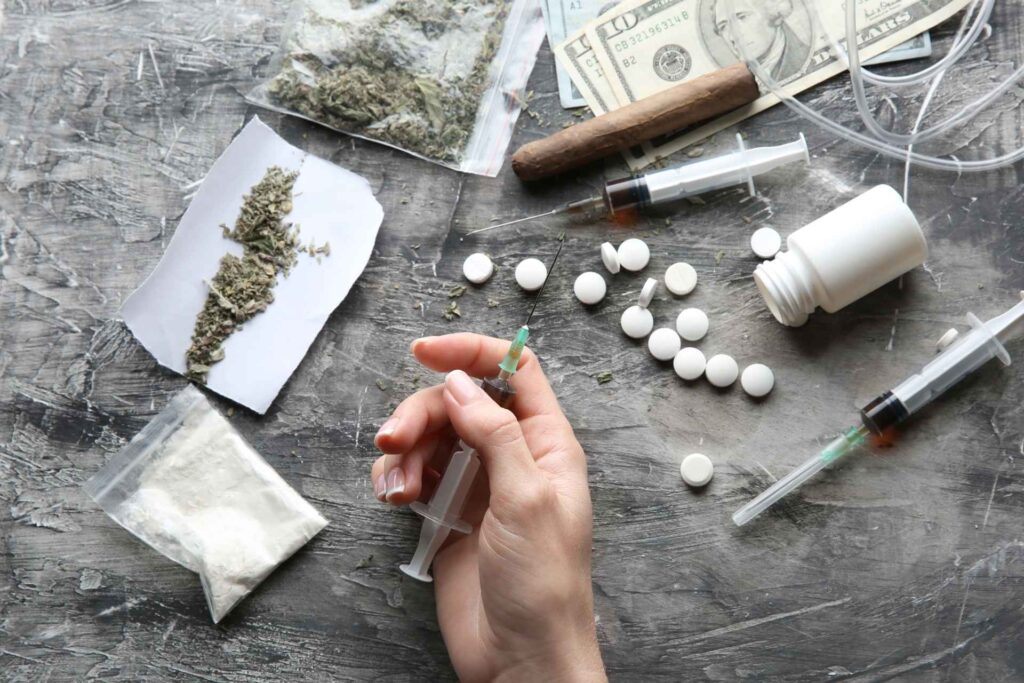
For those facing both substance use and mental health challenges (like depression, anxiety, trauma, or bipolar disorder), we offer fully integrated care with licensed professionals who understand both sides of the story.
Chronic drinking, binge drinking, or self-medicating with alcohol often masks deeper emotional pain. We offer medical detox and trauma-informed therapy to help clients safely stop drinking, and rediscover life without it.
From heroin to fentanyl to prescription painkillers, opioid addiction requires careful detox, medication-assisted care when appropriate, and strong emotional support to address the trauma that often drives use.
For those who feel emotionally dependent on cannabis, our program offers clarity, structure, and the chance to reconnect with purpose and energy beyond the haze.
Whether painkillers, benzos, or ADHD medications, prescription drug misuse can quickly spiral into dependence. We treat this with clinical precision and deep compassion, focusing on both physical detox and emotional healing.
Cocaine, methamphetamine, and amphetamines can take a major toll on mental and emotional health. Our program helps clients rebuild from the psychological and neurological impact of long-term stimulant use.
For those facing both substance use and mental health challenges (like depression, anxiety, trauma, or bipolar disorder), we offer fully integrated care with licensed professionals who understand both sides of the story.
Here are some questions people also ask about alcohol addiction treatment and substance use disorder more generally:
Combining medication-assisted treatment (MAT) with behavioral therapy outperforms any single approach on its own.
Medication-assisted treatment, which pairs medications with counseling and behavioral therapies, is considered highly effective for alcohol use disorder and can cut the risk of death by roughly half.
The three FDA-approved medications for alcohol use disorder are:
These medications are an effective and important aid in treatment, and choosing to get treatment may be more important than the specific approach used, as long as it avoids heavy confrontation and incorporates empathy, motivational support, and a focus on changing drinking behavior.
A 2020 scientific review found that clinical interventions encouraging increased participation in Alcoholics Anonymous (AA/twelve-step facilitation) resulted in higher abstinence rates compared to other clinical interventions, and most studies found AA/TSF also led to lower healthcare costs.
Additionally, CBT is a proven approach that teaches coping strategies and how to recognize triggers. A 2012 review showed success rates between 38% and 82% in treating alcoholism, offering a science-backed path to sobriety.
The four stages of alcoholism, as outlined by the Jellinek model, are:
1. Pre-Alcoholic Stage: Drinking begins socially and feels normal, but alcohol starts being used to relieve stress or emotional pain. Tolerance builds gradually without obvious warning signs.
2. Early Alcoholic Stage: Drinking becomes more frequent and intentional. Blackouts may occur, the person begins hiding or lying about drinking, and they start feeling guilt or preoccupation with alcohol.
3. Middle Alcoholic Stage: Addiction is now visible. Physical symptoms appear (shaking, weight changes), relationships and work suffer, and the person loses control over how much they drink despite wanting to stop.
4. Late Alcoholic Stage: Full physical and mental dependency. Health deteriorates seriously (liver damage, cognitive decline), and drinking becomes the entire focus of life. Without intervention, this stage can be fatal.
Each stage progresses more quickly for some than others, and early intervention at any point significantly improves recovery outcomes.
Inpatient treatment requires you to live at a facility full-time for structured, round-the-clock care, while outpatient treatment lets you live at home and attend scheduled sessions during the week.
Outpatient treatment options range in intensity, from a standard Intensive Outpatient Program with several sessions per week, to Partial Hospitalization for those who need more support without full residential care. Your health care provider can help determine which level is the right fit based on the severity of your situation.
The most common include Cognitive-behavioral therapy (CBT), motivational enhancement therapy, family therapy, and talk therapy, often used in combination depending on the individual’s needs.
Cognitive-behavioral therapy helps you identify and change the thought patterns that drive drinking, while family therapy addresses relationship dynamics that may contribute to or be affected by alcohol use. Health care professionals will typically tailor your therapy plan as part of a broader care team approach.
AA is a 12-step, spirituality-based peer support program, while SMART Recovery is a science-based alternative that uses cognitive and behavioral tools without a higher power component.
Both are widely used support groups that offer community, accountability, and a structured path forward — the right fit simply depends on your personal values and preferences. Many people find it helpful to try both before committing to one.
No — while 12-Step programs like AA are widely used and effective for many, there are several alternative recovery paths including SMART Recovery, therapy, and medical treatment.
Support groups of all kinds, from Alcoholics Anonymous to non-12-Step alternatives, can play a valuable role in long-term recovery, but they work best when combined with professional treatment options guided by your care team. What matters most is finding an approach that you can sustain.
Alcohol abuse refers to a harmful pattern of drinking, while alcohol dependence means your body has become physically reliant on alcohol and you may experience withdrawal symptoms without it.
Alcohol dependence is a more advanced condition that typically requires medical supervision to treat safely, as withdrawal can be physically dangerous without proper support. Health care professionals can assess where you fall on the spectrum and recommend the most appropriate next steps.
Your primary care provider is a great first step, as they can assess your situation, rule out underlying health issues, and refer you to the appropriate treatment or specialist.
A health care provider can connect you with a broader care team that may include therapists, counselors, and support groups depending on your needs. Starting that conversation early — before dependence progresses — gives you the widest range of treatment options.
Most private insurance plans and Medicaid are required by law to cover substance use disorder treatment, though the extent of coverage varies by plan, so it’s worth contacting your provider directly to confirm your benefits.
Coverage typically extends to a range of treatment options including inpatient treatment, an Intensive Outpatient Program, Partial Hospitalization, talk therapy, and family therapy. Health care professionals at most treatment facilities can also help you navigate your insurance benefits as part of the admissions process.
Verify your insurance with Ojai Recovery today.