Addiction isolates but healing happens in connection. At Ojai Recovery, our Social Model of Recovery builds community, accountability, and a deep sense of belonging into every step of the journey.

2 reviews
3 months ago
This place has changed my life! I never envisioned having an awakening until I came to this place. It is the best place in Ventura County. They have the most amazing staff who go out of their way to be there for you I personally Experienced so much love from them..extra bonus best food ever!

1 review
2 months ago
As a parent, I am so grateful to Ojai Recovery. My son they did help when I was almost desperate. He’s just hit one year sober and is doing great.

62 reviews
A month ago
Beautiful property! Staff is absolutely amazing and will help anyway they can!! A++
1 review
2 months ago

1 review
A day ago
The social model of recovery is a community-centered approach to healing from addiction that treats connection itself as part of the medicine. Rather than viewing substance use as a problem to be solved in isolation, the social model recognizes that addiction often grows out of disconnection: from other people, from purpose, and from a sense of belonging. Healing, then, happens in relationship: through shared living, peer support, accountability, and the everyday experience of being seen and supported by others who understand.
Research consistently shows that social connection is a key predictor of lasting recovery. But at Ojai Recovery, we’ve found that it’s more than just data, it’s human truth.
At Ojai Recovery, we know that healing from alcohol addiction is about more than just stopping drinking, it’s about rebuilding your life in a way that feels whole, balanced, and sustainable. Our approach blends evidence-based treatment with the natural serenity of Ojai, creating an environment where clients feel supported, seen, and empowered to recover.
Ojai Recovery 158 Rockaway Rd Oak View, CA 93022 (805) 273-8798
Our addiction recovery programs are designed to help you slow down, focus inward, and find balance. In the heart of Ojai’s natural beauty, you’ll experience an environment that nurtures both mind and body, with gentle mountain breezes, open skies, and quiet moments that remind you how good life can feel.
We serve adults across Ventura County, including Ojai, Ventura, Oxnard, Camarillo, Thousand Oaks, Simi Valley, Santa Paula, Fillmore, Port Hueneme, Moorpark, and Oak Park; Santa Barbara County, including Santa Barbara, Goleta, Carpinteria, and Summerland; and the western edge of Los Angeles County, including Agoura Hills, Westlake Village, and Chatsworth.
We look at your whole health picture: mind, body, and spirit. During heroin and opioid detox in Ventura County, CA, we offer therapy, yoga, meditation, nutrition guidance, and life skills training. These tools help you build a strong foundation for lasting recovery.
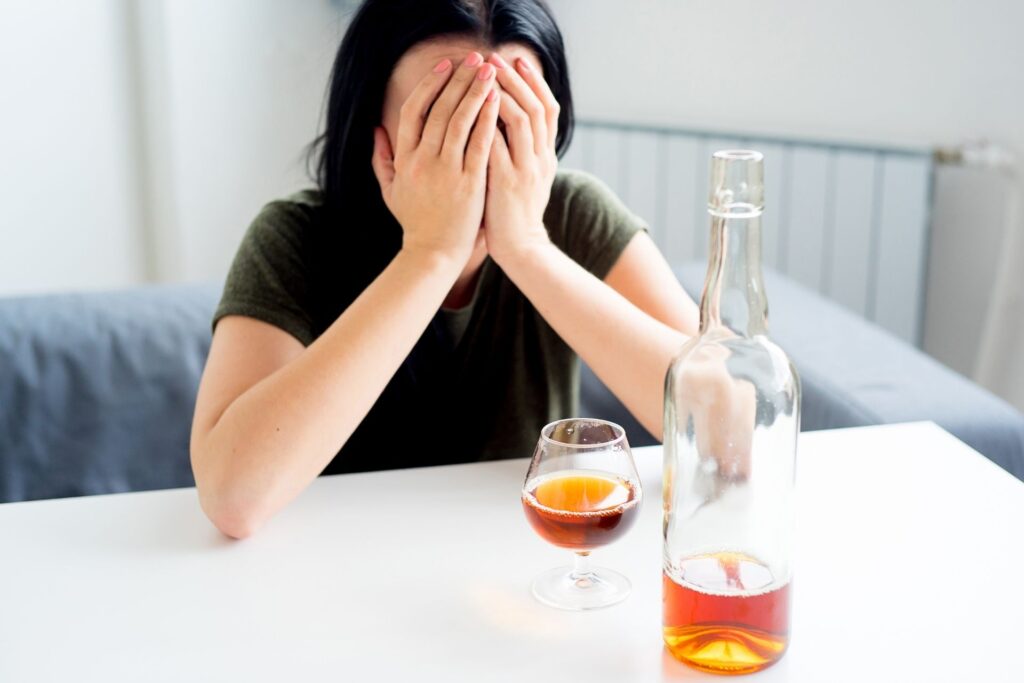
Chronic drinking, binge drinking, or self-medicating with alcohol often masks deeper emotional pain. We offer medical detox and trauma-informed therapy to help clients safely stop drinking, and rediscover life without it.

Stopping benzodiazepines suddenly can be dangerous. Our program manages the taper under medical supervision, with clinical support for the anxiety and sleep problems that often sit underneath the dependency.

Cocaine use tends to escalate in cycles, with the crash driving the next use. Treatment focuses on breaking that pattern, stabilizing mood, and rebuilding the routines cocaine pushed aside.
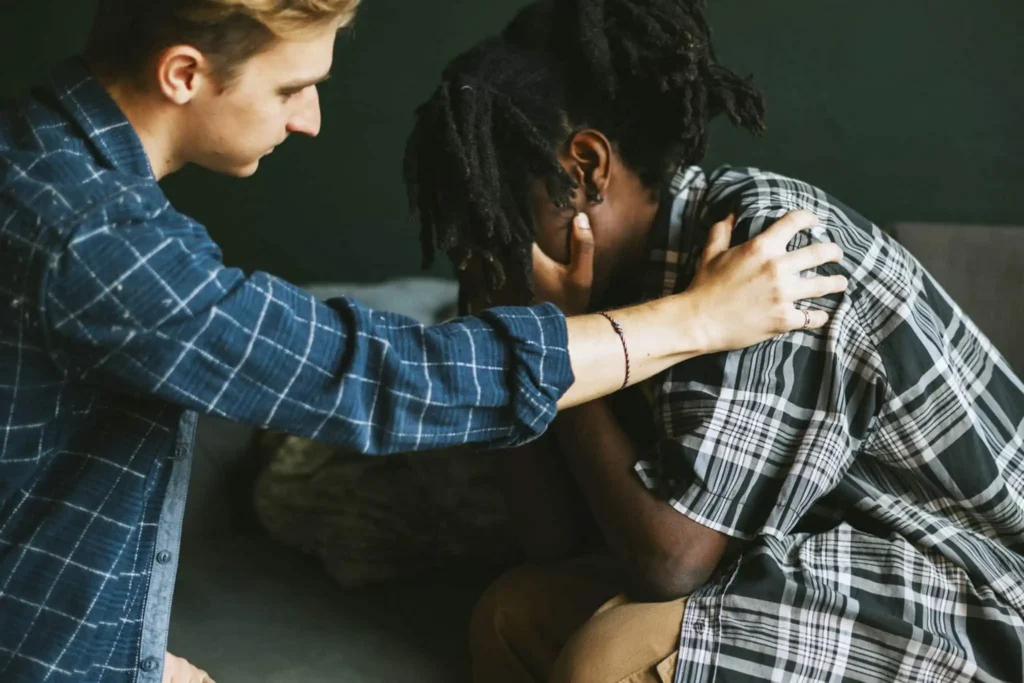
Fentanyl dependency builds quickly and withdrawal is difficult to get through alone. Our medically supervised detox manages that safely, with continued care to protect the stability you gain.
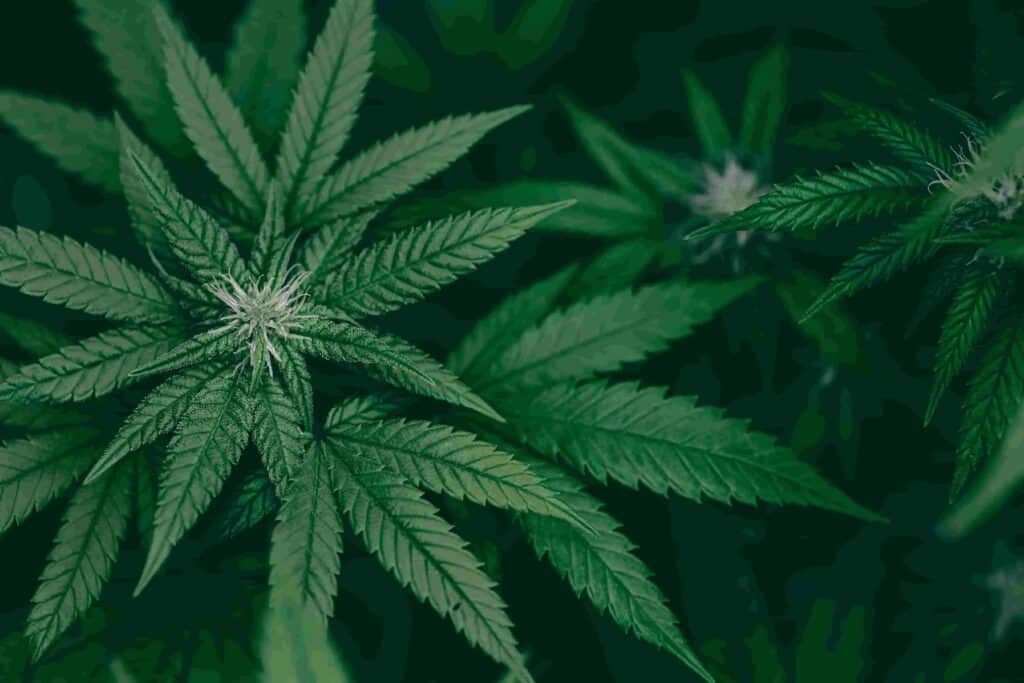
Cannabis dependency is easy to dismiss and hard to stop when motivation, sleep, and mood have shifted around it. Treatment here takes it seriously, without judgment.

Long-term methamphetamine use takes a heavy toll on thinking, sleep, and mood, and recovery is not fast. Care here combines residential structure with treatment for the mental health effects.

From heroin to fentanyl to prescription painkillers, opioid addiction requires careful detox, medication-assisted care when appropriate, and strong emotional support to address the trauma that often drives use.
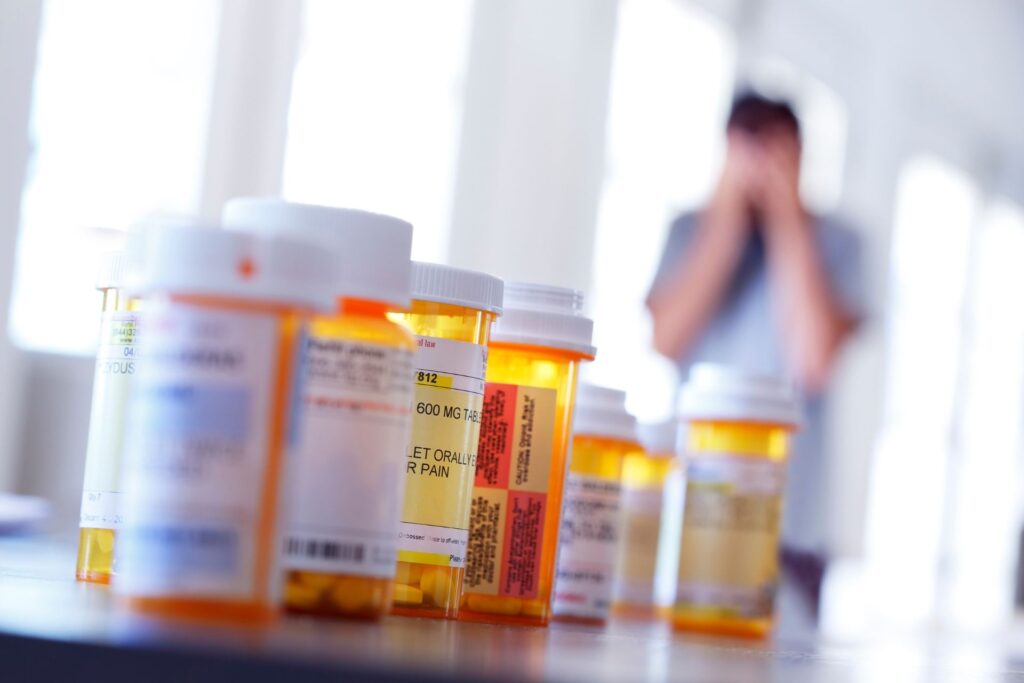
Whether painkillers, benzos, or ADHD medications, prescription drug misuse can quickly spiral into dependence. We treat this with clinical precision and deep compassion, focusing on both physical detox and emotional healing.
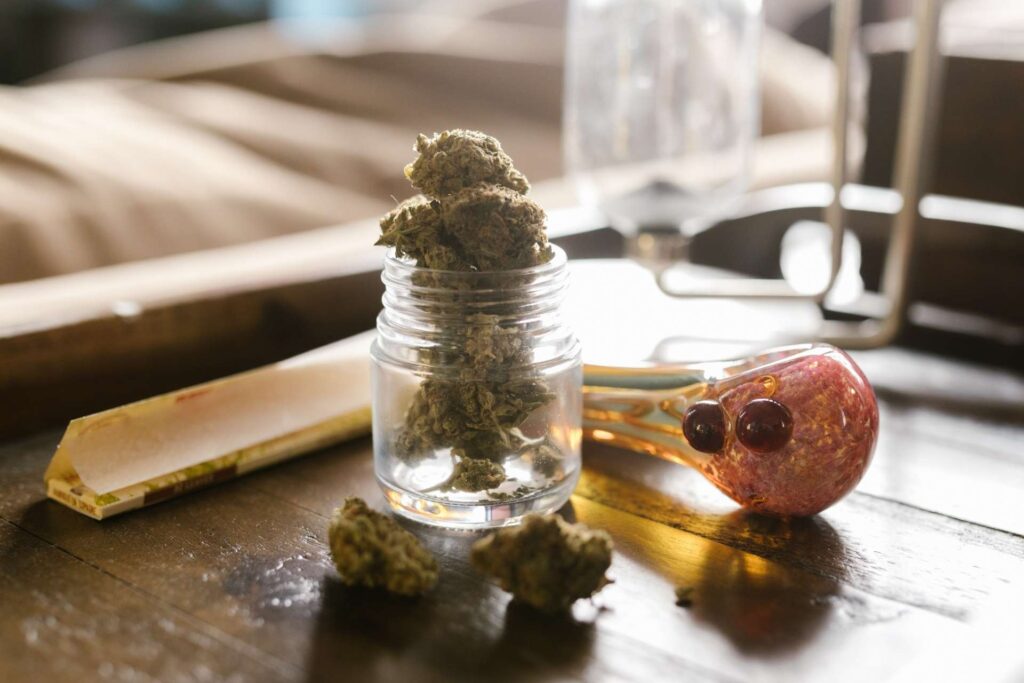
For those who feel emotionally dependent on cannabis, our program offers clarity, structure, and the chance to reconnect with purpose and energy beyond the haze.

Cocaine, methamphetamine, and amphetamines can take a major toll on mental and emotional health. Our program helps clients rebuild from the psychological and neurological impact of long-term stimulant use.
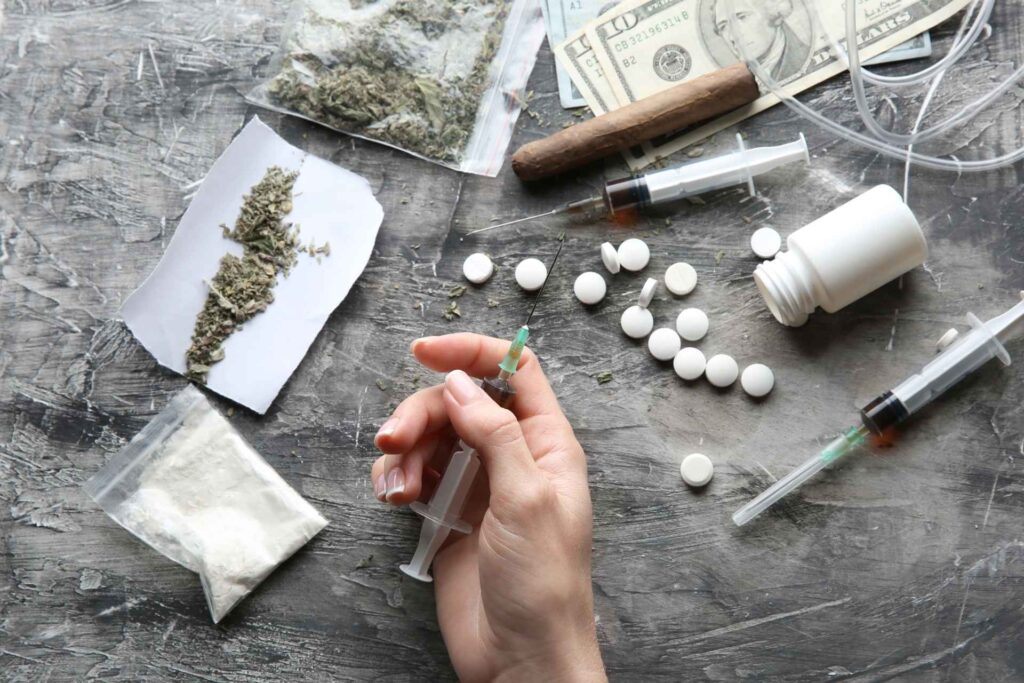
For those facing both substance use and mental health challenges (like depression, anxiety, trauma, or bipolar disorder), we offer fully integrated care with licensed professionals who understand both sides of the story.
Ojai Recovery provides medical detox and residential treatment for individuals across Ventura County, Santa Barbara County, and Los Angeles County. We regularly support clients from Ojai, Ventura, Santa Barbara, Thousand Oaks, Camarillo, and Los Angeles. We offer a structured, clinically-driven environment designed for lasting recovery with most major insurance plans accepted and same day admissions.
The community reinforcement approach (CRA) is built on a simple idea: a life full of meaningful relationships, rewarding activities, and supportive routines can become more compelling than substance use. When recovery is reinforced by community, the benefits can reach far beyond the treatment stay. Some of the benefits people may experience include:
These benefits work best when paired with individualized clinical care, including individual therapy and, when needed, integrated dual diagnosis support for co-occurring mental health conditions.
Here are some questions people also ask about the community reinforcement approach to recovery:
The community reinforcement approach (CRA) is a treatment method that helps people build a life in which staying sober is more rewarding than using substances. It focuses on strengthening relationships, daily routines, work or purpose, and healthy sources of enjoyment so that recovery feels worth maintaining. CRA is often used alongside individual and group therapy as part of a broader, community-centered treatment plan.
The medical model tends to focus primarily on the physical and clinical aspects of addiction, such as detox, diagnosis, and symptom management. The social model adds another layer by treating connection, community, and environment as essential parts of healing. At Ojai Recovery, the two work together. Clinical and medical care provide a safe foundation, while community and peer support help recovery take root.
Research has consistently linked strong social support and connection to better long-term recovery outcomes, and approaches like the community reinforcement approach have been studied for decades. While no single method works the same way for everyone, community-centered care is widely recognized as a meaningful part of effective addiction treatment. It is most effective when combined with individualized clinical care.
A 12-step program follows a specific spiritual framework and structured steps, often supported by sponsorship and fellowship meetings. The community reinforcement approach is a clinical method focused on reshaping daily life so that sobriety becomes naturally rewarding. The two are not mutually exclusive. At Ojai Recovery, clients may attend outside 12-step meetings while also benefiting from community-based clinical care.
The social model can be a strong fit for people who feel isolated, who have struggled with relationships, or who do well in supportive, community-oriented environments. It can also benefit those who want to rebuild trust and connection as part of their healing. As with any approach, the right fit depends on your individual history, needs, and goals, which our admissions team can help you explore.
Yes. A core idea of CRA is helping people reconnect with positive, substance-free sources of reward, such as meaningful relationships, enjoyable activities, and a sense of accomplishment. The goal is to make a life in recovery genuinely more satisfying than life with substance use. These reinforcements are built gradually through therapy, structure, and community involvement.
Family involvement is often an important part of community-centered recovery, since loved ones can be a powerful source of support and motivation. At Ojai Recovery, family participation is integrated into the treatment process where appropriate and with the client’s consent. Involving family can help repair relationships and build a stronger support system for life after treatment.
There is no single timeline that fits everyone, as the length of treatment depends on individual needs, the level of care, and personal progress. Recovery is generally understood as an ongoing process rather than a fixed endpoint. Ojai Recovery offers a full continuum of care, from residential treatment through outpatient and aftercare, so support can continue at a pace that suits you.
Yes. Community-centered care can be combined with integrated treatment for conditions such as anxiety, depression, or trauma. At Ojai Recovery, dual diagnosis treatment addresses substance use and co-occurring mental health conditions together, rather than as separate issues. Combining clinical care with peer support may help clients feel more understood and supported throughout the process.