Stimulant addiction drains your body and spirit. At Ojai Recovery, we offer trauma-informed care and holistic healing to help you stabilize, reconnect, and reclaim a life beyond the crash.

2 reviews
3 months ago
This place has changed my life! I never envisioned having an awakening until I came to this place. It is the best place in Ventura County. They have the most amazing staff who go out of their way to be there for you I personally Experienced so much love from them..extra bonus best food ever!

1 review
2 months ago
As a parent, I am so grateful to Ojai Recovery. My son they did help when I was almost desperate. He’s just hit one year sober and is doing great.

62 reviews
A month ago
Beautiful property! Staff is absolutely amazing and will help anyway they can!! A++
1 review
2 months ago

1 review
A day ago
Cocaine, methamphetamine, prescription stimulants like Adderall and Ritalin, and polysubstance cases are all treated.
Personalized plans, trauma-informed support, and 24/7 medical supervision ensure safe stabilization.
Yes, previous relapses are addressed, and new strategies help achieve lasting recovery.
Aftercare includes relapse prevention planning, therapy follow-ups, and ongoing community connection.
Stimulant addiction is a chronic substance use disorder characterized by compulsive use of stimulant drugs such as cocaine, methamphetamine, or prescription medications like Adderall or Ritalin, despite harmful consequences to a person’s health, relationships, and daily functioning.
Stimulants work by flooding the brain’s reward system with dopamine, creating intense feelings of euphoria, energy, and focus that the brain quickly begins to depend on to feel normal.
Over time, repeated use alters brain chemistry in ways that make stopping difficult without professional support, and for many people, stimulant addiction treatment becomes an essential part of finding a path back to stability.
Recognizing the signs of stimulant addiction early can make a meaningful difference in the outcome. Common signs and symptoms include:
Physical symptoms:
Behavioral symptoms:
Psychological symptoms:
Without appropriate care, stimulant addiction tends to intensify over time, placing increasing strain on a person’s physical health, mental wellbeing, and the relationships they rely on most.
Risks include:
Prescription drugs are often seen as safer than street drugs but dependency can form just as quickly, and the consequences can be just as severe.
You don’t need to struggle with prescription or stimulant addiction by yourself. Professional, compassionate support is available to guide you toward safe and lasting recovery. Reach out today to begin your journey with expert care.
Stimulant addiction can feel overwhelming, but recovery is possible with the right support and treatment approach. At our center, we use evidence-based practices designed to address both the physical and psychological impact of stimulant use.
Once stabilized, clients enter our full-time, campus-based residential program designed to heal the mind, body, and nervous system.
Ojai Recovery provides medical detox and residential treatment for individuals across Ventura County, Santa Barbara County, and Los Angeles County. We regularly support clients from Ojai, Ventura, Santa Barbara, Thousand Oaks, Camarillo, and Los Angeles. We offer a structured, clinically-driven environment designed for lasting recovery with most major insurance plans accepted and same day admissions.
Healing from prescription drug addiction goes beyond simply quitting medication it’s about rebuilding balance, restoring confidence, and creating a healthier path forward. Evidence-based therapies combined with the calming environment of Ojai provide the foundation for clients to feel supported, empowered, and ready for lasting recovery.
Choosing to stop using stimulants is a powerful step, but withdrawal and early recovery can be uncomfortable without the right support. A structured, medically supervised program provides the care and stability needed to begin recovery with confidence. Our team combines clinical expertise with compassionate attention to ensure you are supported physically, emotionally, and mentally every step of the way.
Dual diagnosis treatment is care that addresses both stimulant addiction and an underlying mental health condition such as anxiety, depression, or trauma at the same time. For many people, the two are deeply connected, and healing one without the other rarely leads to lasting recovery.
Dual diagnosis treatment is worth considering when:
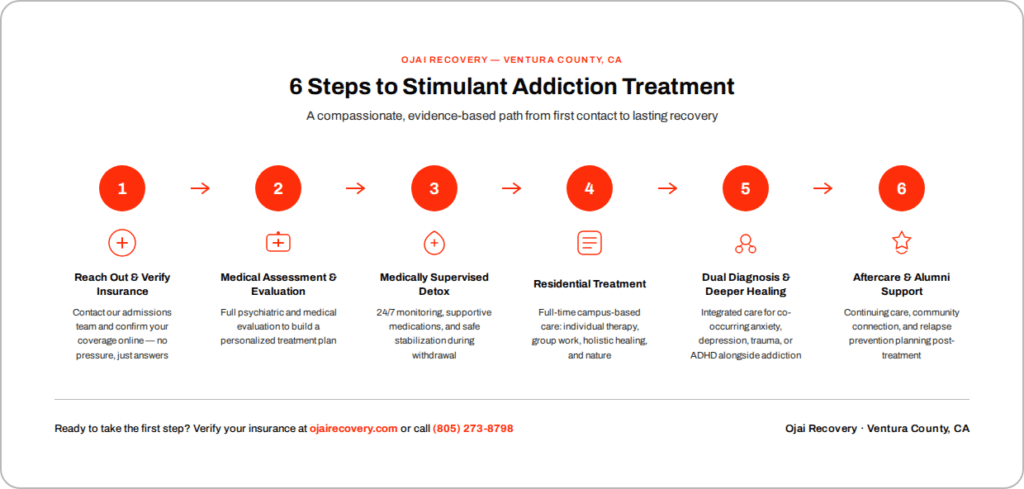
After detox, clients transition into our full-time, campus-based residential program for stimulant addiction treatment. This phase includes:
Here are some questions people also ask about stimulant addiction treatment and stimulant detox at Ojai Recovery.
Stimulant addiction is a chronic condition in which a person compulsively uses stimulant drugs such as cocaine, methamphetamine, or prescription amphetamines despite harmful consequences. It develops when repeated use alters the brain’s dopamine system, making it difficult to feel pleasure or motivation without the substance. Like other substance use disorders, stimulant addiction is a recognized medical condition that responds well to professional treatment.
Stimulant addiction can look different from person to person, but common signs include intense cravings, continuing to use despite negative effects on health or relationships, and difficulty cutting back without help. Behaviorally, someone may appear hyperactive or erratic during use and exhausted or withdrawn during crashes. Over time, changes in sleep, appetite, mood, and social functioning often become more noticeable to family and friends.
There are currently no FDA-approved medications specifically for stimulant use disorder, though research is ongoing. Clinicians may use supportive medications to manage symptoms like anxiety, sleep disruption, or co-occurring depression during withdrawal and early recovery. Treatment is primarily behavioral, with therapy and structured support playing the central role in recovery.
Reaching out for a professional assessment is one of the most important first steps someone can take. Effective treatment typically combines medically supervised detox, individual and group therapy, and a structured aftercare plan. With the right level of support, whether residential, PHP, or IOP, many people are able to stabilize, address underlying causes, and build a sustainable path forward.
“Stage 4 addiction” is not a formal clinical diagnosis, but the term is sometimes used informally to describe severe or late-stage substance use disorder. At this level, a person’s use has typically caused significant harm across multiple areas of life including health, relationships, employment, and legal standing. Regardless of where someone is in their relationship with a substance, treatment is still possible and recovery remains an achievable goal.
Stimulant withdrawal generally unfolds in two phases: an acute crash phase and a more prolonged sub-acute phase. The crash, which can begin within hours of stopping use, often involves extreme fatigue, low mood, increased sleep, and strong cravings. The sub-acute phase may last several weeks and is characterized by persistent low energy, irritability, difficulty concentrating, and ongoing cravings as the brain gradually rebalances.
Stimulant withdrawal is primarily managed through supportive care in a structured, supervised environment. This may include rest, nutritional support, hydration, and medications to address specific symptoms like anxiety, insomnia, or mood instability. Behavioral support and therapy are introduced early to help individuals manage cravings and begin building coping strategies during the withdrawal period.
Research suggests that opioids, alcohol, benzodiazepines, and methamphetamine are among the most physically and psychologically difficult substances to stop using without support. The severity of withdrawal and the strength of psychological dependence vary by substance, individual history, and how long someone has been using. What matters most is that no one has to attempt it alone, and evidence-based treatment can help regardless of the substance involved.
The brain can begin showing signs of recovery within weeks of stopping stimulant use, though full neurological healing is a longer process that may take months to years depending on the duration and intensity of use. Areas most affected including dopamine regulation, executive function, and emotional processing have shown measurable improvement over time with sustained abstinence and support. Individual factors like age, overall health, and co-occurring conditions also influence the timeline.
Chronic stimulant use has been associated with a range of mental health and physical health conditions, including stimulant-induced psychosis, anxiety disorders, depression, and cardiovascular complications. Prolonged use can disrupt sleep, impair memory and concentration, and contribute to or worsen underlying mood disorders. Many of these conditions can be addressed through integrated dual-diagnosis treatment that targets both the substance use and co-occurring mental health needs simultaneously.
Ojai Recovery 158 Rockaway Rd Oak View, CA 93022 (805) 273-8798
Our addiction recovery programs are designed to help you slow down, focus inward, and find balance. In the heart of Ojai’s natural beauty, you’ll experience an environment that nurtures both mind and body, with gentle mountain breezes, open skies, and quiet moments that remind you how good life can feel.
We serve adults across Ventura County, including Ojai, Ventura, Oxnard, Camarillo, Thousand Oaks, Simi Valley, Santa Paula, Fillmore, Port Hueneme, Moorpark, and Oak Park; Santa Barbara County, including Santa Barbara, Goleta, Carpinteria, and Summerland; and the western edge of Los Angeles County, including Agoura Hills, Westlake Village, and Chatsworth.
We look at your whole health picture: mind, body, and spirit. During heroin and opioid detox in Ventura County, CA, we offer therapy, yoga, meditation, nutrition guidance, and life skills training. These tools help you build a strong foundation for lasting recovery.
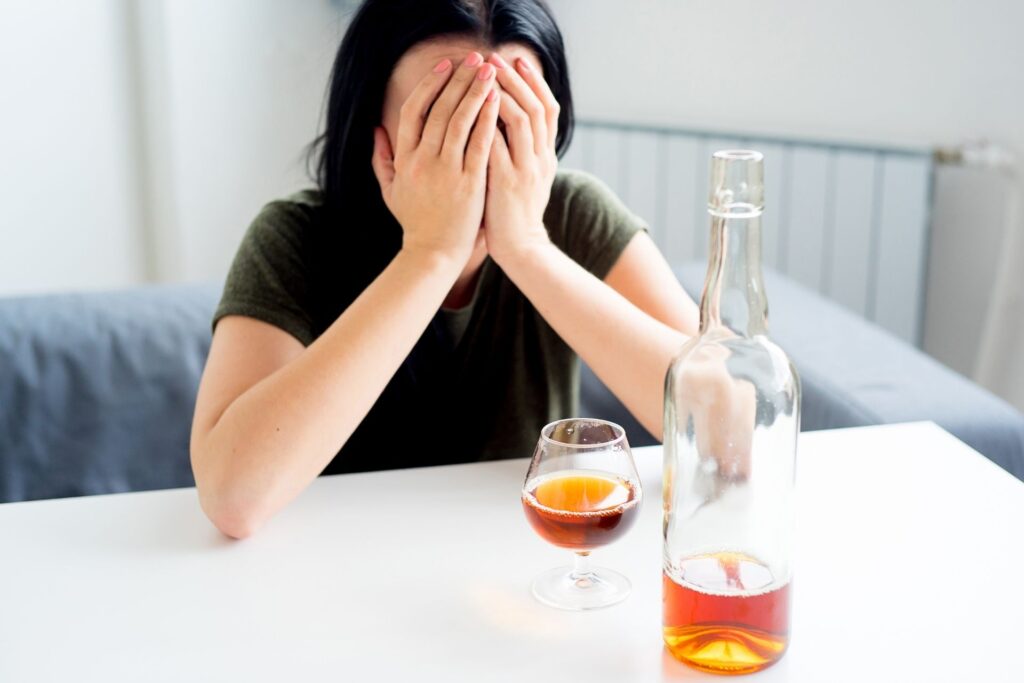
Chronic drinking, binge drinking, or self-medicating with alcohol often masks deeper emotional pain. We offer medical detox and trauma-informed therapy to help clients safely stop drinking, and rediscover life without it.

Stopping benzodiazepines suddenly can be dangerous. Our program manages the taper under medical supervision, with clinical support for the anxiety and sleep problems that often sit underneath the dependency.

Cocaine use tends to escalate in cycles, with the crash driving the next use. Treatment focuses on breaking that pattern, stabilizing mood, and rebuilding the routines cocaine pushed aside.

Fentanyl dependency builds quickly and withdrawal is difficult to get through alone. Our medically supervised detox manages that safely, with continued care to protect the stability you gain.

Cannabis dependency is easy to dismiss and hard to stop when motivation, sleep, and mood have shifted around it. Treatment here takes it seriously, without judgment.

Long-term methamphetamine use takes a heavy toll on thinking, sleep, and mood, and recovery is not fast. Care here combines residential structure with treatment for the mental health effects.

From heroin to fentanyl to prescription painkillers, opioid addiction requires careful detox, medication-assisted care when appropriate, and strong emotional support to address the trauma that often drives use.
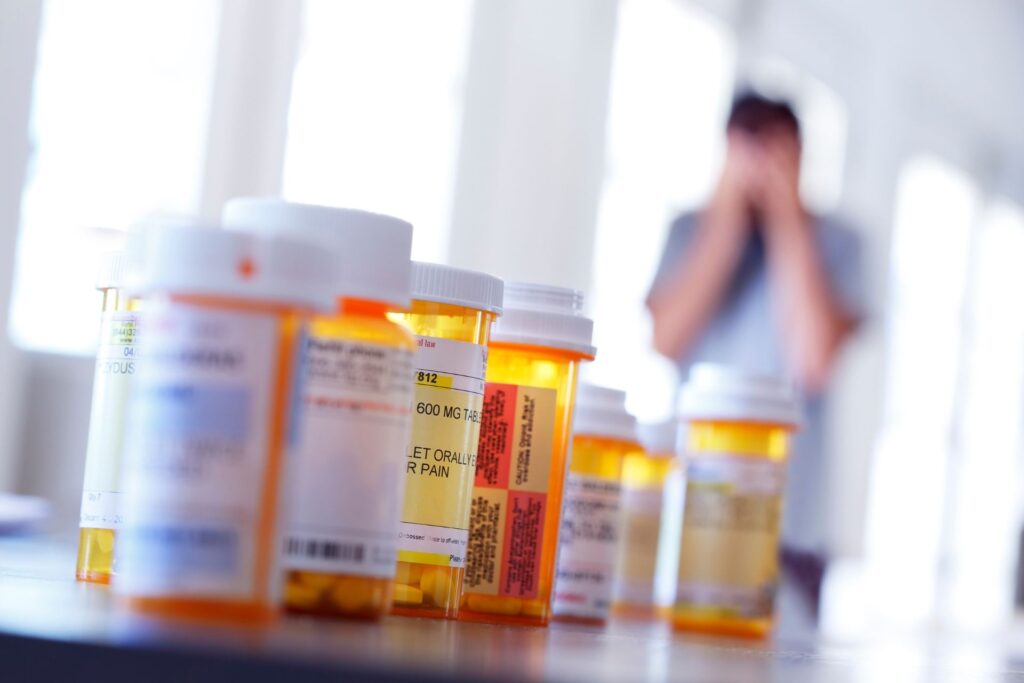
Whether painkillers, benzos, or ADHD medications, prescription drug misuse can quickly spiral into dependence. We treat this with clinical precision and deep compassion, focusing on both physical detox and emotional healing.
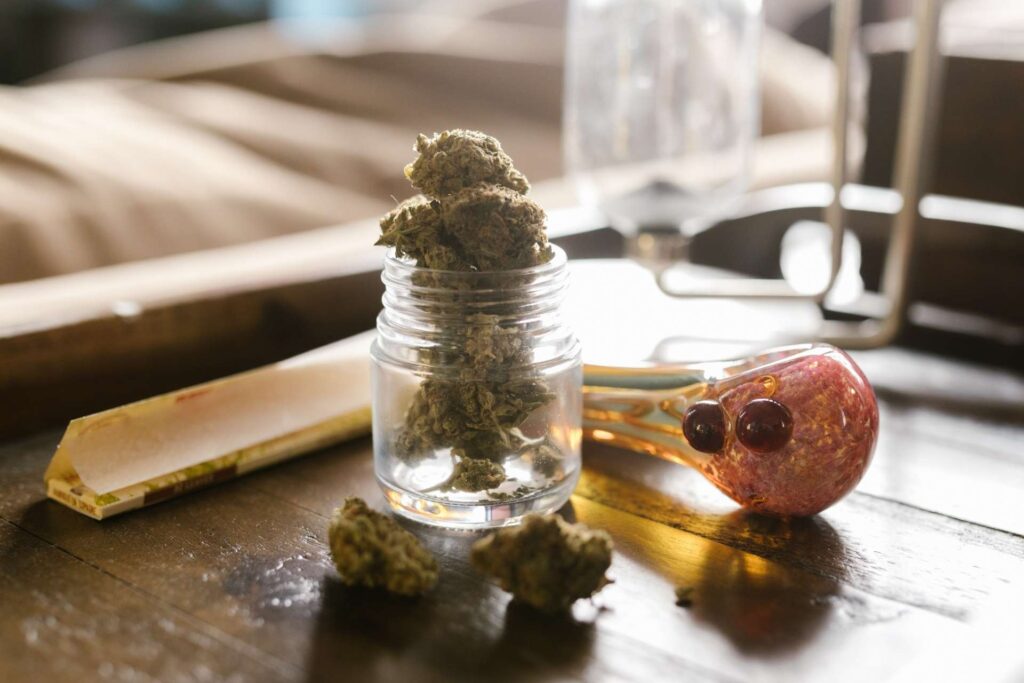
For those who feel emotionally dependent on cannabis, our program offers clarity, structure, and the chance to reconnect with purpose and energy beyond the haze.

Cocaine, methamphetamine, and amphetamines can take a major toll on mental and emotional health. Our program helps clients rebuild from the psychological and neurological impact of long-term stimulant use.
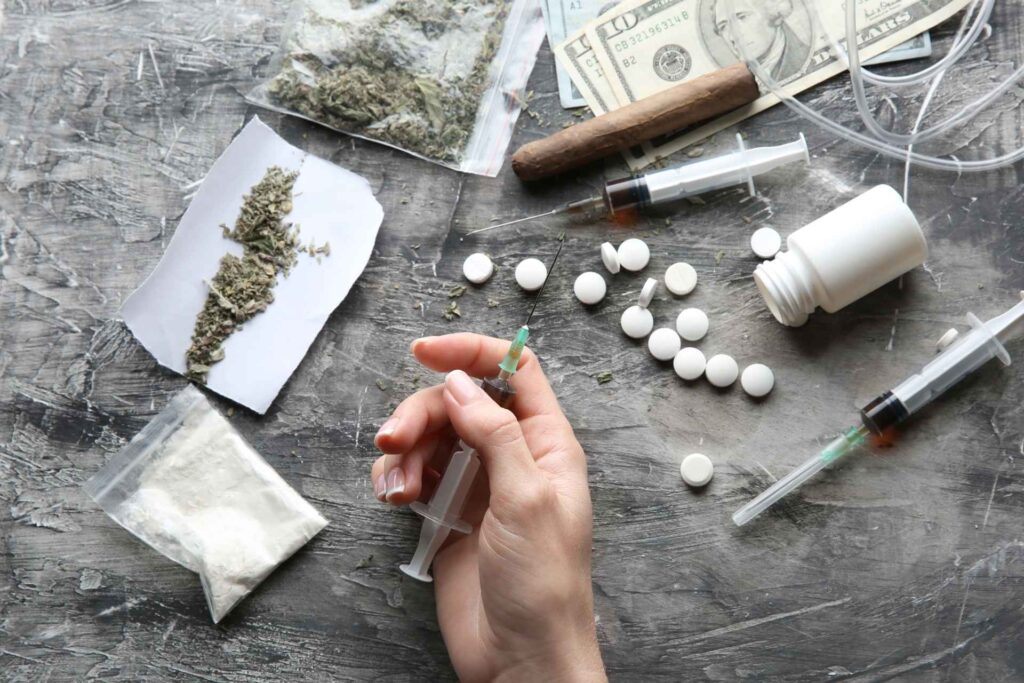
For those facing both substance use and mental health challenges (like depression, anxiety, trauma, or bipolar disorder), we offer fully integrated care with licensed professionals who understand both sides of the story.