Concentrated 7-hydroxymitragynine products, commonly called 7-OH, can produce opioid-like effects and lead to physical dependence, cravings and withdrawal.
Ojai Recovery provides medically supervised detox and residential treatment for adults who need structured support after using concentrated 7-OH tablets, gummies, shots, extracts or related products.
Before admission, the team reviews the products used, frequency and amount of use, withdrawal history, other substances, medications and current medical or mental health concerns.

2 reviews
3 months ago
This place has changed my life! I never envisioned having an awakening until I came to this place. It is the best place in Ventura County. They have the most amazing staff who go out of their way to be there for you I personally Experienced so much love from them..extra bonus best food ever!

1 review
2 months ago
As a parent, I am so grateful to Ojai Recovery. My son they did help when I was almost desperate. He’s just hit one year sober and is doing great.

62 reviews
A month ago
Beautiful property! Staff is absolutely amazing and will help anyway they can!! A++
1 review
2 months ago

1 review
A day ago
7-OH detox is medically supervised withdrawal management for someone who has developed physical dependence on concentrated or enhanced 7-hydroxymitragynine products.
The purpose of detox is to assess withdrawal risk, monitor symptoms, address immediate medical concerns and help the client reach enough stability for continued treatment.
This page focuses on concentrated 7-OH products. Whole-leaf kratom and products primarily containing other kratom alkaloids may involve different patterns of use, withdrawal and kratom detox needs.
Detox addresses physical stabilization. It does not by itself resolve cravings, compulsive use, mental health symptoms or the circumstances that contributed to continued 7-OH use.
The services used during detox depend on the assessment, symptoms and medical needs of the individual client.
Care may include:
No single medication or detox schedule is suitable for every person. Clinical decisions are based on the client’s condition, medical history and response to care.
7-OH withdrawal can be a powerful driver of relapse in any kratom use disorder. Attempting to detox alone, whether stopping abruptly or trying to taper independently, carries serious risks that are worth understanding clearly. Product variability makes this especially difficult, since unregulated extracts can vary widely in alkaloid content.
The safest path through 7-OH withdrawal is with professional clinical support. Our medical supervision and safety protocols are specifically designed to manage these risks from the first moment of care.
Taking the first step to stop using 7-OH or concentrated kratom is courageous, but withdrawal can be physically and emotionally challenging. Our medically supervised 7-OH detox provides stability, comfort, and compassionate support to help you start recovery on the right path. Every client is guided with care, ensuring safety and dignity throughout the process.
Many individuals turn to 7-OH or concentrated kratom to manage underlying challenges. During detox, we address factors such as:
Recovery from 7-OH dependence is more than stopping use. It’s about restoring balance, strength, and clarity in every part of life. Ojai Recovery provides a structured, compassionate program with guidance, support, and tools to help clients rebuild routines, manage emotions, and regain control with confidence.
Unlike sterile hospitals or chaotic detox centers, Ojai Recovery offers 24/7 medical care within a peaceful, nature-immersed environment. Our private rooms, calming surroundings, and trauma-informed staff help clients feel physically safe and emotionally at ease, right from day one.
We treat more than symptoms. From your first interaction, we begin building a relationship with the whole you, your story, your needs, your goals. This helps lay the groundwork for integrated care that extends well beyond detox and into sustainable recovery.
There’s no need to transfer facilities or start over once detox is complete. As you stabilize, you move directly into our residential treatment program with the same clinical team, ensuring consistent care and uninterrupted progress.
We combine medical precision with deep compassion. Our team is experienced in working with clients of all backgrounds, including those with trauma histories, co-occurring disorders, or multiple failed attempts at sobriety. Here, you are seen, supported, and never judged.
Our addiction recovery programs are designed to help you slow down, focus inward, and find balance. In the heart of Ojai’s natural beauty, you’ll experience an environment that nurtures both mind and body, with gentle mountain breezes, open skies, and quiet moments that remind you how good life can feel.
Your days here at our Addiction Treatment Center in Oak View, CA may begin with a walk along the shore of Casitas Lake, where the sunlight dances on the water and the air feels fresh with possibility. You might spend your afternoons hiking shaded trails that wind through the hills, journaling on a sunlit porch, or simply listening to the sounds of nature, a bird’s call, a rustling leaf, the soft hum of the wind.
We look at your whole health picture – mind, body, and spirit. At our Alcohol Detox in Ventura County, CA, we offer therapy, yoga, meditation, nutrition guidance, and life skills training. These tools help you build a strong foundation for lasting recovery.

Chronic drinking, binge drinking, or self-medicating with alcohol often masks deeper emotional pain. We offer medical detox and trauma-informed therapy to help clients safely stop drinking, and rediscover life without it.

From heroin to fentanyl to prescription painkillers, opioid addiction requires careful detox, medication-assisted care when appropriate, and strong emotional support to address the trauma that often drives use.
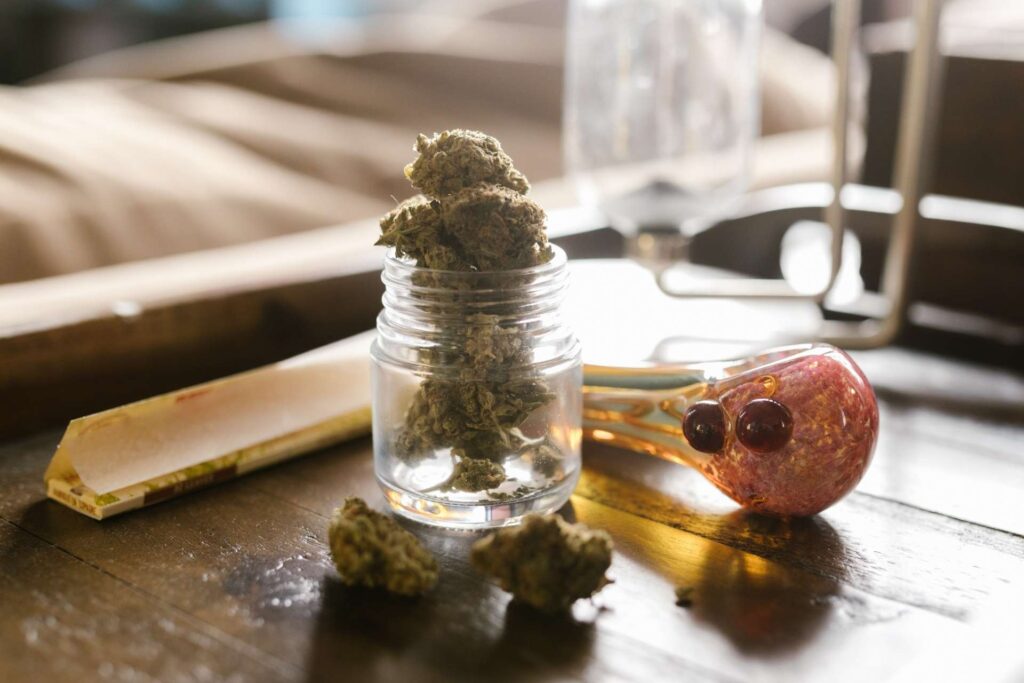
For those who feel emotionally dependent on cannabis, our program offers clarity, structure, and the chance to reconnect with purpose and energy beyond the haze.

Whether painkillers, benzos, or ADHD medications, prescription drug misuse can quickly spiral into dependence. We treat this with clinical precision and deep compassion, focusing on both physical detox and emotional healing.

Cocaine, methamphetamine, and amphetamines can take a major toll on mental and emotional health. Our program helps clients rebuild from the psychological and neurological impact of long-term stimulant use.
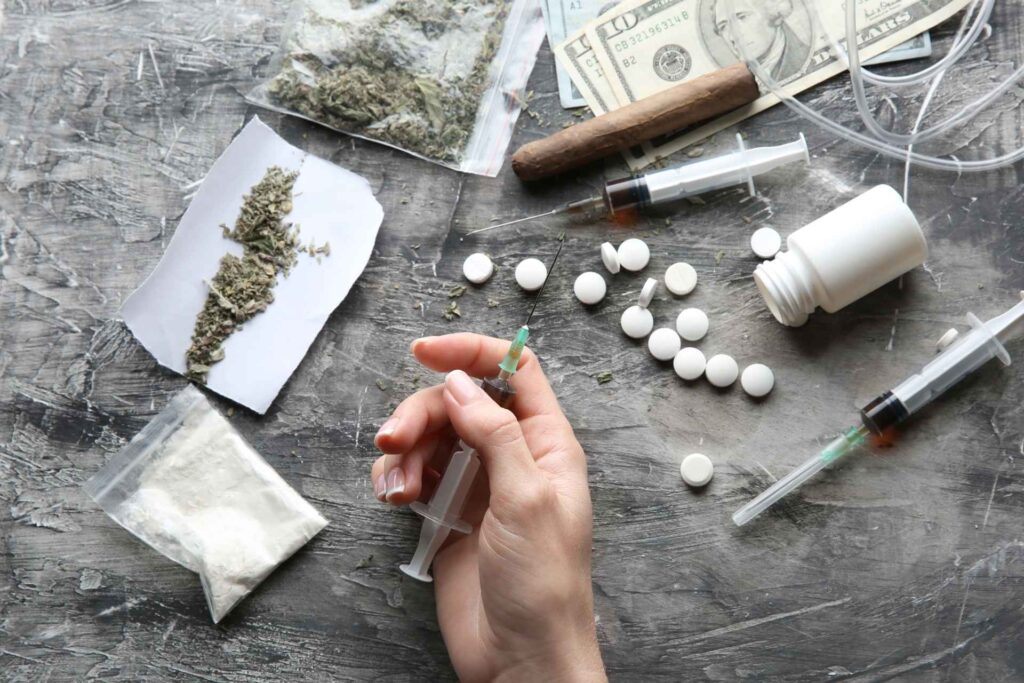
For those facing both substance use and mental health challenges (like depression, anxiety, trauma, or bipolar disorder), we offer fully integrated care with licensed professionals who understand both sides of the story.
Chronic drinking, binge drinking, or self-medicating with alcohol often masks deeper emotional pain. We offer medical detox and trauma-informed therapy to help clients safely stop drinking, and rediscover life without it.
From heroin to fentanyl to prescription painkillers, opioid addiction requires careful detox, medication-assisted care when appropriate, and strong emotional support to address the trauma that often drives use.
For those who feel emotionally dependent on cannabis, our program offers clarity, structure, and the chance to reconnect with purpose and energy beyond the haze.
Whether painkillers, benzos, or ADHD medications, prescription drug misuse can quickly spiral into dependence. We treat this with clinical precision and deep compassion, focusing on both physical detox and emotional healing.
Cocaine, methamphetamine, and amphetamines can take a major toll on mental and emotional health. Our program helps clients rebuild from the psychological and neurological impact of long-term stimulant use.
For those facing both substance use and mental health challenges (like depression, anxiety, trauma, or bipolar disorder), we offer fully integrated care with licensed professionals who understand both sides of the story.
Understanding what will actually happen during medical detox can reduce fear and help you or a loved one arrive more prepared. Here is what the process typically looks like in a residential setting.
On arrival, you meet with clinical and medical staff for a thorough evaluation. This covers your 7-OH and kratom use history, the last time you used, product type and potency, any previous withdrawal experiences, current medications, and underlying health conditions.
The assessment helps determine your individual risk level and guides the detox protocol. Because 7-OH product labeling is often inconsistent and concentrates vary widely in alkaloid content, an honest history is essential. Clinicians use validated tools to monitor withdrawal severity throughout the process.
During detox, staff assess symptoms as they develop rather than relying only on a predetermined timeline.
Monitoring may include:
Vital signs
Hydration
Gastrointestinal symptoms
Sleep
Anxiety and agitation
Muscle discomfort
Cravings
Mental health symptoms
Other signs of opioid-like withdrawal
Structured symptom-assessment tools may be used alongside clinical judgment, medical history and direct observation. No single score determines the entire treatment plan.
Withdrawal management is individualized according to the client’s symptoms, other substances, current medications and medical history.
Treatment may include prescribed medications for specific symptoms, hydration, nutritional support, rest and continued reassessment. Medication selection and timing are determined by qualified medical professionals.
Clients should not begin, stop or change prescription medication based on general information found online.
Withdrawal is not only physical. Feelings of fear, shame, grief, or emotional flooding are common during 7-OH detox, particularly because many people using concentrated kratom products do so to manage pain, anxiety, or unresolved trauma. Our trauma-informed staff are present not only to manage physical symptoms but to offer genuine human support from the first day of care.
There is no single timeline that applies to everyone withdrawing from concentrated 7-OH products.
The onset, severity and duration of symptoms can be influenced by:
The product and reported concentration
Amount and frequency of use
Length of regular use
Time since the last dose
Previous withdrawal experiences
Use of kratom, opioids or other substances
Physical and mental health conditions
Response to treatment
Symptoms should be monitored as they develop. A person whose symptoms become severe, rapidly worsen or include significant medical or psychiatric concerns may require a higher level of care.
For a detailed educational discussion of possible symptoms and timing, read the 7-OH Withdrawal and kratom withdrawal guide.
Detox is the beginning of treatment rather than the full recovery process.
Clients who are medically stable and clinically appropriate may transition into Ojai Recovery’s residential addiction treatment program.
Residential care can address:
Cravings and compulsive use
Emotional and environmental triggers
Co-occurring mental health symptoms
Relationships and communication
Daily routines
Relapse risk
Planning for continued care
Treatment length is based on clinical needs, progress, authorization and the continuing-care plan rather than one fixed duration.
Before discharge, the treatment team considers the client’s living environment, support system, mental health needs, relapse risk and access to care.
Recommendations may include referrals to:
Partial hospitalization
Intensive outpatient treatment
Standard outpatient therapy
Medication treatment
Recovery housing
Psychiatric or medical follow-up
Peer-support meetings
Other community services
Acceptance by another provider depends on its assessment, availability and insurance or payment requirements.
Here are some questions people also ask about 7-OH detox and 7-OH dependence more generally.
To safely detox from 7-OH, the body must clear the alkaloid while withdrawal symptoms are carefully managed. This process is best handled under medical supervision to prevent relapse and complications. A clinical detox typically involves hydration to restore electrolyte balance, nutritional support to address deficiencies common with long-term use, and FDA-approved medications such as buprenorphine to manage withdrawal symptoms and cravings.
Onset typically begins within 6 to 24 hours of the last dose for concentrated extracts, peaks at 48 to 72 hours, and the acute phase commonly lasts 3 to 10 days. Sleep disturbances, mood changes, and cravings may persist for several weeks as part of post-acute withdrawal.
Common symptoms include nausea, vomiting, diarrhea, muscle aches, sweating, yawning, runny nose, dilated pupils, chills, and disrupted sleep, along with anxiety, irritability, depressed mood, and strong cravings.
7-OH detox generally progresses through early withdrawal (6–24 hours), symptom progression (24–48 hours), peak withdrawal (48–72 hours), stabilization (days 4–7), and for some individuals a post-acute phase that can last weeks.
Yes. Because 7-OH acts on opioid receptors, medications used in opioid withdrawal care, such as buprenorphine, can reduce cravings and physiologic symptoms. Clonidine, antiemetics, and short-term sleep aids are also commonly used. All medications are prescribed and monitored by clinicians.
Most clients step into residential treatment immediately after detox to address the behavioral and emotional drivers of use. From there, many transition through PHP, IOP, and aftercare to support long-term recovery.
Ojai Recovery accepts most major insurance plans. Our admissions team can verify your benefits and explain coverage in a confidential call.
We offer same-day admissions in most cases. The fastest way to begin is to call our admissions team for a brief, confidential assessment.