





7-hydroxymitragynine withdrawal depends on how long and how often you used concentrated 7-OH products, your individual physiology and tolerance, and the kind of clinical support you have during the first 5 to 10 days.
This guide walks through the 7-OH withdrawal timeline, what symptoms look like, when they peak, and how severity varies with dose and product type. It also covers medical and harm-reduction options, including a 2025 regulatory shift that has changed how clinicians think about kratom 7-OH dependence.
If you are weighing whether to detox at home or seek clinical care, supervised drug detox at our Ojai Valley campus is one path designed to make the first week safer and more tolerable.
If you or someone you love is in withdrawal right now, you don’t have to figure it out alone. Calm, supervised care is closer than it feels.
Key Takeaways
- Onset is fast, usually 6 to 24 hours after the last dose. Acute symptoms typically peak within the first 72 hours and ease over roughly 5 to 10 days, though sleep, mood, and cravings can linger for weeks.
- It looks like opioid withdrawal, because that is what it is. 7-OH is a potent mu-opioid agonist, so this withdrawal syndrome mirrors classic opioid withdrawal: sweating, muscle aches, GI upset, anxiety, and intense cravings.
- Concentrated 7-OH products are not kratom leaf. Isolated 7-OH tablets, extracts, and vape products can be far more potent than traditional kratom tea, which raises the risk of kratom dependence and the severity of withdrawal.
- Buprenorphine timing matters. Starting buprenorphine or naloxone too soon after recent 7-OH use can trigger precipitated withdrawal. Many clinicians use micro-induction or wait for measurable withdrawal signs before standard induction.
- The 2025 FDA advisory changed the conversation. The FDA’s public-health advisory on concentrated 7-OH products and the DEA’s pending scheduling recommendation have brought clinical attention to this distinct dependence pattern.
- Standard drug screens often miss 7-OH. Routine immunoassays don’t detect kratom alkaloids; specialized LC-MS/MS (liquid chromatography tandem mass spectrometry) testing is required for confirmation.
- Most people do best with medical assessment first. Ojai Recovery’s admissions team can help you figure out whether outpatient management, supervised detox, or a step-up to residential care fits your situation.
If you are weighing your next step, our admissions team can help you figure out whether outpatient management, supervised detox, or residential care fits your situation. We can also walk through MAT (medication-assisted treatment) options and what your insurance covers.
To talk through what care could look like, call start the admissions process online. The conversation is confidential and there is no obligation.
What is 7-OH (7-hydroxymitragynine)?
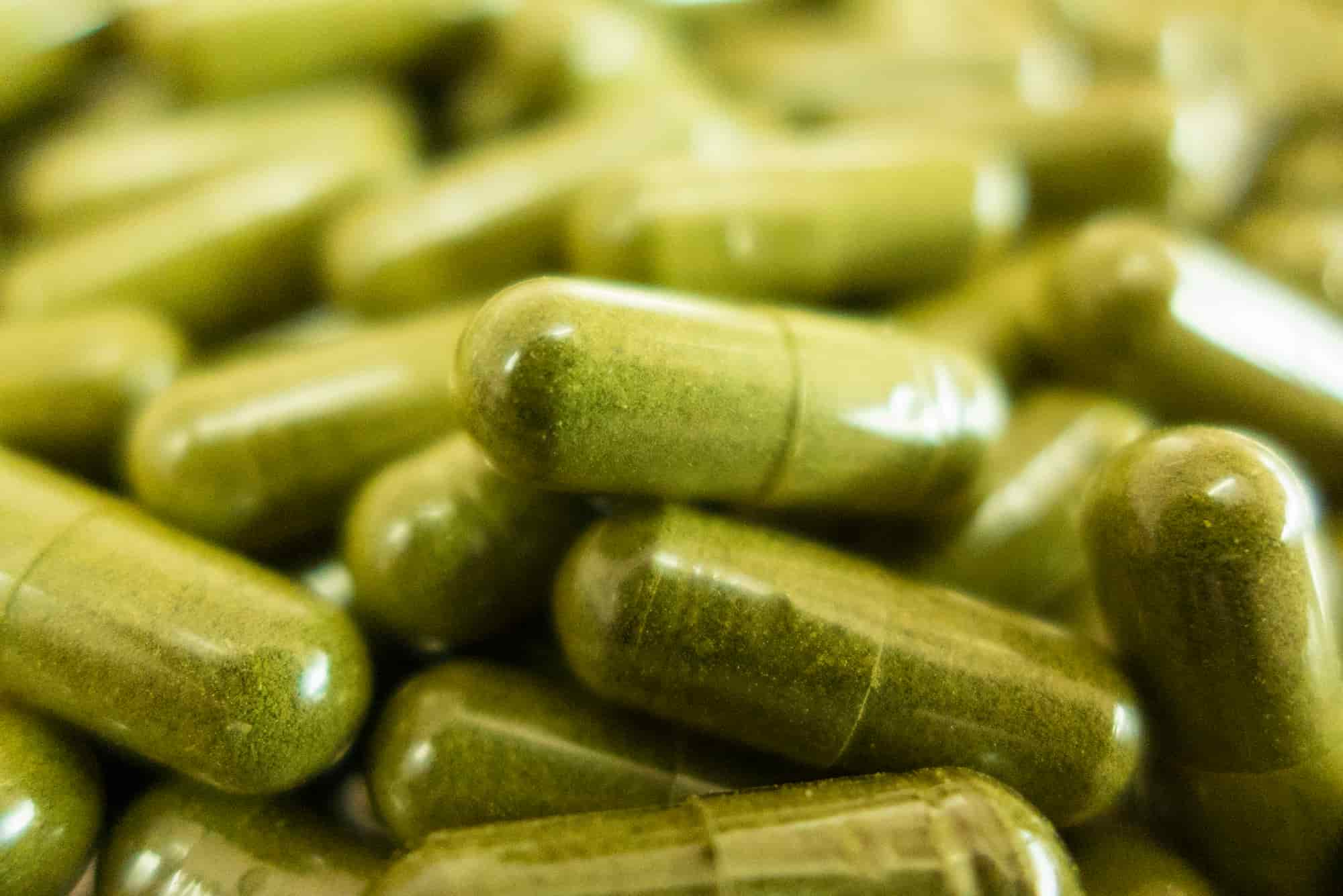
7-OH is a minor alkaloid in the kratom plant (Mitragyna speciosa) and an active metabolite of mitragynine, the compound largely responsible for kratom’s opioid-like effects. In kratom leaf, 7-OH is present in small amounts. In concentrated extracts, isolated tablets, vape products, and drink mixes, kratom 7-OH is the headline ingredient and drives most of the receptor stimulation users feel.
That difference matters clinically. Pharmacology research has consistently shown that 7-OH binds more strongly at mu opioid receptors than mitragynine, with substantially higher analgesic potency in lab studies. The National Institute on Drug Abuse research summary on kratom flags this same potency gap and the resulting dependence risk in its overview for clinicians and the public.
This is why concentrated 7-OH products can produce stronger effects, faster tolerance, and harder withdrawal than the leaf-tea preparations many people associate with kratom.
Routes of use, duration, and detectability
People take 7-OH orally, sublingually, or in concentrated extracts. A single dose typically produces effects lasting about 4 to 8 hours. Urine detection windows are short, often 1 to 7 days depending on use patterns and the sensitivity of the assay, and standard drug screens generally do not catch it.
Concentrated 7-OH versus whole-leaf kratom
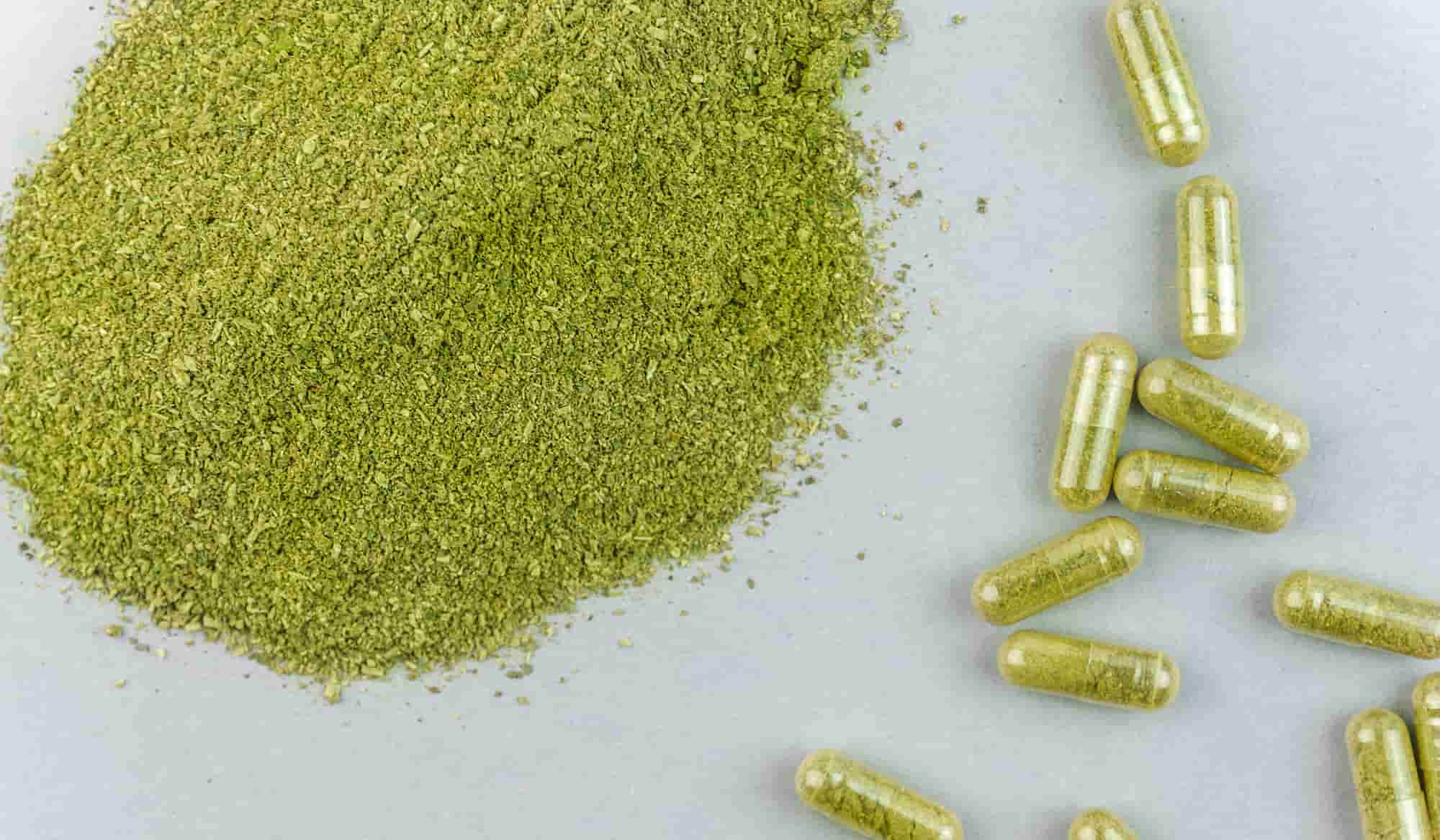
Whole-leaf kratom is the plant material brewed as tea or taken as powder. Concentrated kratom-related products, tablets, lozenges, drink mixes, and vape liquids labeled as “7-OH” or “7-hydroxy”, isolate or enrich the more potent metabolite, often at unpredictable concentrations. These unregulated kratom products have been widely sold in smoke shops, gas stations, supplement aisles, and online retailers.
Two products marketed as the same dose can produce very different effects. That inconsistency is one reason dependence forms quickly with frequent use of concentrated products.
What causes 7-OH withdrawal
7-OH withdrawal, and the broader pattern of kratom dependence, is driven by neuroadaptation at mu opioid receptors. With repeated exposure, your nervous system reduces receptor sensitivity and signaling, which produces tolerance.
When 7-OH is stopped or reduced, those adaptations are unmasked and withdrawal symptoms emerge. The underlying mechanism is the same one that drives opioid use disorder withdrawal more broadly, receptors that adapted to constant agonism react when the agonist is removed.
Product variability raises the risk
Unregulated 7-OH products often have inconsistent alkaloid concentrations from batch to batch. A higher-than-expected dose accelerates tolerance; a lower-than-expected dose triggers earlier withdrawal.
This is why a steady, regular dose of one product can suddenly feel like running out, the actual amount of 7-OH varies even when the labeling does not.
Why precipitated withdrawal is a special concern
If buprenorphine or naloxone is administered too soon after recent 7-OH use, the medication can displace 7-OH at the receptor and trigger rapid, intense withdrawal, known as precipitated withdrawal. This is a known clinical risk for any opioid agonist, and it’s why MAT timing must be planned with a clinician who knows you’ve been using 7-OH or kratom.
Common 7-OH withdrawal symptoms
Symptoms fall into two clusters, physical and emotional, and most people experience both. The intensity varies with dose, duration of use, product potency, and individual factors, but the symptom profile is consistent enough that clinicians treat it as a form of opioid withdrawal.
Physical symptoms
- Sweating, chills, and yawning
- Runny nose and watery eyes
- Muscle aches, joint pain, and restless legs
- Nausea, vomiting, diarrhea, and abdominal cramping
- Tremor
- Insomnia and disrupted sleep
Emotional symptoms
- Anxiety and restlessness
- Low mood or depressive symptoms
- Irritability and agitation
- Intense cravings for 7-OH
- Concentration problems
When to escalate to emergency care
Seek urgent care if you experience severe dehydration, persistent vomiting that prevents fluids, chest pain, difficulty breathing, seizure activity, severe confusion, or thoughts of suicide. For most people, withdrawal is extremely uncomfortable but not directly life-threatening. The danger usually comes from secondary complications, dehydration, electrolyte imbalance, untreated psychiatric symptoms, which is why supervised care reduces risk.
7-OH withdrawal symptom timeline (single-product use)
| Phase | Time since last dose | What you may notice |
| Onset | 6–24 hours | Sweating, restlessness, yawning, runny nose, early cravings |
| Early acute | 24–48 hours | Muscle aches intensify, GI symptoms begin, anxiety rises |
| Peak | 48–72 hours | Symptoms most intense; insomnia, nausea, vomiting, diarrhea common |
| Resolution | 4–10 days | Physical symptoms gradually ease; sleep and appetite begin to recover |
| Protracted | Weeks to months | Cravings, mood instability, and sleep disruption may persist |
When symptoms start and how long acute withdrawal lasts
Most daily or heavy users notice symptoms within 6 to 24 hours of their last dose. Intensity tends to peak in the first 48 to 72 hours, with most acute physical signs easing across roughly 5 to 10 days. High-potency products and faster routes of use (sublingual, vape) can shorten the time to onset.
A single dose of concentrated 7-OH typically produces subjective effects for about 4 to 8 hours. Daily, multiple-dose use shifts the withdrawal onset earlier and prolongs the acute phase, particularly when the product is high-strength or used alongside benzodiazepines or alcohol.
Mood symptoms, sleep disruption, and cravings can outlast the acute physical phase by weeks to months in some people. This is sometimes called protracted or post-acute withdrawal, and it is one of the strongest arguments for continuing structured care after detox rather than stopping at “symptoms gone.”
If the timeline above feels overwhelming, 24/7 medical supervision during detox is designed to compress the worst window, making the peak days more tolerable and reducing the chance that you leave before stabilization.
How severe can 7-OH withdrawal be and how is it like opioid withdrawal?
7-OH withdrawal can mimic moderate opioid withdrawal closely. Because 7-OH acts at mu opioid receptors, the physical and psychological profile maps directly onto what clinicians see with prescription opioids, heroin, or fentanyl: sweating, GI distress, muscle pain, agitation, and anxiety.
COWS scoring and what it means
The Clinical Opiate Withdrawal Scale (COWS) is the standard clinician tool for grading severity. Clinical reports on 7-OH dependence have documented moderate COWS scores in the mid-teens, consistent with the kind of withdrawal that benefits from medical management rather than home toughing-out.
COWS is not a self-diagnosis tool. If your clinical team has told you a score, it is useful shorthand for “this is real and treatable.”
Who is at higher risk for severe withdrawal
Severity rises with longer duration of use, daily or high-dose patterns, concentrated product use, and polysubstance combinations. Older age, unstable medical or psychiatric conditions, and prior opioid tolerance also push severity up. If any of these apply, integrated dual-diagnosis treatment in Ventura County, care that treats withdrawal alongside underlying anxiety, depression, or trauma, is worth weighing.
Clinicians often describe this pattern as kratom use disorder. It is a substance use disorder that tends to respond to the same treatment framework as other opioid use disorders.
Factors that affect severity and duration
Withdrawal severity and timing track how much opioid receptor exposure your nervous system has had. The same person can have a much harder withdrawal from concentrated 7-OH tablets than from leaf-kratom tea, even at “the same” nominal dose.
Dose and frequency
Larger and more frequent doses produce stronger physical dependence and longer withdrawal. The shift from occasional use to daily multi-dose use is usually where dependence consolidates.
Product concentration and route of use
Concentrated tablets and vape products reach receptors faster and at higher peak concentrations than leaf preparations. Unclear labeling on 7-OH isolates means that “one tablet” can deliver a dose that is hard to predict from one batch to the next.
Personal health factors
Co-occurring mental health conditions, chronic medical illness, sleep disorders, older age, and a history of prior opioid dependence all complicate withdrawal. So does combining 7-OH with alcohol, benzodiazepines, or other opioids, those combinations are also where overdose risk during use is highest.
Factors that shape withdrawal severity
| Factor | Direction of effect | Clinical significance |
| Duration of daily use | Longer = harder | Deeper neuroadaptation; longer protracted phase |
| Product potency (isolate vs. leaf) | Higher = harder | Faster onset, more intense peak |
| Daily dose | Higher = harder | Larger receptor load to unmask |
| Polysubstance use (benzos, alcohol, opioids) | Major risk multiplier | Compounds withdrawal; needs medical supervision |
| Co-occurring psychiatric conditions | Increases distress and protracted symptoms | Argues for integrated mental health care |
| Prior opioid tolerance | Increases severity | May require different MAT planning |
| Age and overall health | Older / sicker = harder | Slower recovery; more medical risk |
| Hydration and nutritional status going in | Better = easier | Reduces severity of GI and electrolyte problems |
How the 2025 FDA advisory changed the 7-OH conversation
A regulatory shift in 2025 has reshaped how clinicians, families, and people in dependence think about concentrated 7-OH products, and it is one of the most important pieces of context missing from older articles on this topic.
What changed
In 2025, the U.S. Food and Drug Administration (FDA) issued a public-health advisory specifically targeting concentrated kratom 7-OH products, tablets, extracts, lozenges, and vape liquids marketed as “7-OH” or “7-hydroxy.” The FDA’s public-health communication on concentrated 7-OH products separates these isolate products from whole-leaf kratom and warns about overdose, dependence, and serious adverse-event reports.
The agency recommended that 7-OH be considered for scheduling as a controlled substance, and a DEA scheduling recommendation followed. [Claim needs verification by AM, please confirm current FDA / DEA scheduling status at publication date and adjust phrasing if the position has advanced or shifted since this draft.]
Federal surveillance reflects the same trend. The Centers for Disease Control and Prevention (CDC) and U.S. poison control centers have documented rising kratom-related exposures in recent years, with concentrated isolate opioid products driving much of the severity reported.
Why this matters if you are dependent on 7-OH
Three practical consequences flow from the advisory, and all of them affect people who are currently using.
First, supply is becoming less predictable. Retailers and online sellers have begun pulling concentrated 7-OH products. For someone in daily dependence, an unplanned cessation, running out because the store stopped carrying it, is one of the most common ways severe withdrawal begins.
Second, clinical recognition has improved. Until recently, many emergency departments and primary care clinics did not distinguish 7-OH dependence from “kratom use” in general. The 2025 advisory has accelerated training and awareness, which means you are more likely to be taken seriously when you describe what you’ve been using.
Third, product labeling is more honest in clinical conversations. Concentrated 7-OH has often been sold as a “supplement” or “natural product”, language that obscures what it actually is.
Reframing it accurately as an isolated opioid receptor agonist is part of why supervised detox and MAT options become available. Insurance and clinical pathways are clearer when the substance is described in opioid-receptor terms.
The gas-station distinction
A useful way to think about concentrated 7-OH is in the same family as other isolate products that have emerged from loosely regulated retail channels. The broader category is sometimes called “gas-station drugs” and has also included tianeptine and certain synthetic cannabinoids.
The shared pattern is consistent: a compound with significant receptor activity, sold without medical oversight, in inconsistent doses, often marketed in ways that obscure its dependence potential.
Treating concentrated 7-OH as part of this pattern, rather than as a generic herbal supplement, reframes the choice in front of you, and the choice in front of clinicians treating you.
What to do if you’re worried about supply
If your access to 7-OH is becoming unstable, the safer path is usually to plan a supervised reduction or detox before you are forced into abrupt cessation. Calling admissions to discuss next steps gets you a clinical assessment without committing to any specific level of care up front. Many people start with the assessment, then decide.
Can medical detox or treatment help with 7-OH withdrawal?
Yes, and for most people with daily or high-dose use of kratom 7-OH, medical assessment and supervised medical detoxification are often the right first step. Here is what that process tends to look like.
Assessment and risk stratification
Clinicians take a focused substance and medical history covering dose, frequency, product type, time of last use, co-ingestants, prior withdrawal experiences, psychiatric history, and current vitals. That assessment determines whether 24-hour supervised detox is needed or whether outpatient management with close follow-up is appropriate.
Matching level of care to risk
Several factors push toward inpatient detox: severe withdrawal symptoms, unstable medical or psychiatric conditions, polysubstance use (especially with benzos or alcohol), pregnancy, or no safe housing. Lower-risk presentations may be managed in outpatient or partial hospitalization settings with reliable supports at home.
Ojai Recovery’s continuum runs from supervised detox through Residential Addiction Treatment and step-down options, so level of care can shift as you stabilize.
Symptom-targeted supportive medications
These are the medications most commonly used to manage the physical symptoms of withdrawal:
- Clonidine: reduces autonomic symptoms (sweating, anxiety, restlessness)
- Ondansetron or other antiemetics: for nausea and vomiting
- Loperamide: for diarrhea (used cautiously)
- NSAIDs (nonsteroidal anti-inflammatory drugs) like ibuprofen: for muscle and joint pain
- Trazodone or low-dose gabapentin: for sleep and anxiety, when appropriate
Medication-assisted treatment (MAT) approaches
For 7-OH dependence, buprenorphine is the most common MAT option. Methadone is also used in regulated programs. Because 7-OH is a mu-opioid agonist, the same principles that guide MAT for other opioid use disorders apply, with a particular emphasis on induction timing to avoid precipitated withdrawal.
Tapering and protocol limitations
Standardized, product-specific taper protocols for concentrated 7-OH are limited in the published literature. Clinicians individualize taper schedules based on your dose, product, and response, monitor vitals frequently, and consult addiction medicine or toxicology specialists for complex presentations.
If you want care that balances clinical safety with a calm, Trauma-informed Environment, our admissions team can help you weigh options, verify insurance, and plan a safe starting point.
Can tapering or harm reduction reduce withdrawal risk?
Tapering can reduce the severity of withdrawal by gradually lowering the dose rather than stopping abruptly. Harm reduction adds practical safety steps: consistent dosing, avoiding sedative combinations, and ideally clinical oversight. Both approaches have a place, but neither replaces medical assessment for people with daily or high-dose dependence.
Start with slow, measurable reductions
A common starting framework is reducing the daily dose by about 5 to 10 percent every 3 to 7 days, watching how symptoms respond. If withdrawal symptoms intensify, the taper is slowed or paused.
Acknowledge the evidence gap
Published, standardized taper schedules for concentrated 7-hydroxymitragynine are limited. Most guidance is extrapolated from opioid tapers more generally, which is why individualized clinical input matters.
Use consistent dosing and avoid sedative combinations
Stick to the same product and avoid combining with alcohol, benzodiazepines, or other sedatives. Mixing depressants raises the risk of respiratory depression during continued use and complicates withdrawal management.
Plan for what comes after the taper
Tapering alone does not address why you started using or the mental health issues that may go with it. Continuing with outpatient treatment, individual therapy, and other forms of structured treatment meaningfully reduces relapse risk in the weeks after physical symptoms resolve.
Testing and detectability of 7-OH
Standard urine toxicology screens generally do not detect 7-hydroxymitragynine. Immunoassay panels are built for common opioids, benzodiazepines, and other scheduled drugs, they often do not recognize kratom alkaloids.
Typical urine detection windows
- Occasional use: about 1 to 3 days
- Regular or heavy use: about 3 to 7 days
- Times vary with dose, metabolism, frequency, and product purity
What to ask your clinician
If detection or confirmation matters for your situation, ask for specialized LC-MS/MS or forensic toxicology testing rather than a routine panel. Tell your clinical team you have been using 7-OH or kratom, the disclosure changes which tests are ordered and how results are interpreted. A negative routine screen does not rule out recent 7-OH use.
If you are heading into the admissions process, an honest substance history is more useful to your care team than any test result, and it is treated confidentially as part of clinical assessment.
Special topics and uncommon risks
Concentrated 7-OH versus leaf kratom withdrawal
Concentrated 7-OH binds more strongly at mu opioid receptors than mitragynine, the main alkaloid in leaf kratom. This shortens the path to dependence and tends to intensify withdrawal compared with leaf preparations at equivalent perceived doses.
Precipitated withdrawal with buprenorphine or naloxone
High receptor occupancy from recent 7-OH use can allow buprenorphine or naloxone to trigger precipitated withdrawal. Clinicians minimise this by confirming spontaneous withdrawal signs (often via COWS) before standard buprenorphine induction, or by using micro-induction protocols when timing is uncertain.
Polysubstance withdrawal
Combining 7-OH with benzodiazepines, alcohol, or other opioids meaningfully raises the chance of complicated, severe withdrawal. Benzodiazepine and alcohol withdrawal carry their own seizure risk and need separate management. If polysubstance use is part of the picture, integrated polysubstance treatment is generally safer than trying to manage each substance in isolation.
Rare reports of liver concerns
Some case reports have associated kratom and kratom-related products with rare instances of liver toxicity. The mechanism is not fully understood, and the absolute risk appears low, but it is another argument for medical assessment when use has been heavy or prolonged.
Long-term outcomes and evidence gaps
Repeated high-dose 7-OH exposure can produce tolerance and physiological dependence. Long-term functional outcomes are not yet well characterised in the published literature, most studies are small or observational. That uncertainty is one reason clinicians err toward supervised care and ongoing follow-up rather than declaring “fixed” after acute withdrawal resolves.
Medications used and clinical dosing considerations
Withdrawal management combines symptom-directed medications with MAT for opioid use disorder when appropriate. Clinician judgment and close monitoring matter because product potency and individual tolerance vary significantly between people.
Buprenorphine, induction timing is the key variable
Buprenorphine is a first-line MAT option for 7-OH dependence. The standard approach waits for mild-to-moderate spontaneous withdrawal signs before initial dosing, typically a 2 to 4 mg starting dose, with escalation toward a daily maintenance range of 8 to 16 mg.
The actual dose is always individualized based on history, response, and other medications. When timing is uncertain, or when the patient is at high risk for precipitated withdrawal, micro-induction (also called low-dose initiation) lets buprenorphine be started while the patient is still using, with very small incremental doses over several days.
Methadone
Methadone is an alternative MAT option where regulated opioid treatment programs permit its use. The choice between buprenorphine and methadone is clinical and depends on dose history, prior MAT experience, and access.
Minimising precipitated withdrawal
Two practices reduce risk: wait for measurable spontaneous withdrawal (via COWS) before standard induction, or use micro-induction when waiting isn’t safe. Either way, the patient and clinician need to communicate about exact timing of last 7-OH use and product type.
For a personalised induction plan that fits your clinical needs and goals, our admissions team can coordinate the assessment and connect you with the right prescriber.
When to seek professional support, and what treatment pathways look like
Some signs mean call now rather than wait: moderate-to-severe withdrawal that isn’t responding to home measures, persistent vomiting, signs of dehydration, suicidal thoughts, or any seizure activity. For everyone else, professional support is still usually the better path, but the urgency calculus is different.
How a phone triage usually works
When you call admissions, a clinical intake team asks about recent use, current symptoms, medical and psychiatric history, and insurance. The goal is to figure out the right level of care today, which might be supervised detox, a step-down program, or guidance on an outpatient pathway with close monitoring. You are not committing to anything by calling.
Matching level of care
- Medically managed inpatient detox stabilizes acute risk and manages symptoms in a 24/7 monitored setting.
- Residential treatment continues structured care after detox in a live-in environment.
- Partial Hospitalization Program (PHP) offers intensive daytime clinical care while you sleep at home or at supportive housing.
- Intensive Outpatient Program (IOP) and standard outpatient continue therapy and medication management at lower intensity.
Integrated, trauma-informed care
For most people, withdrawal is the easier part, what follows is the work of changing the patterns that led to use. Integrated care for substance use disorder coordinates co-occurring mental health treatment with relapse prevention, individual therapy, and family involvement.
Evidence-based approaches like Cognitive Behavioral Therapy (CBT) and other behavioral therapy modalities help clients understand the patterns underlying any co-occurring disorder and build new responses to cravings.
Ojai Recovery’s social model of recovery and nature-immersed setting in the Ojai Valley are designed to make that work feel less like an institution and more like a place you can actually heal.
What to do in the next 24 hours
If you are reading this in the middle of withdrawal, or about to be, here is a practical triage rather than a literature review.
- Make one phone call. Call our Ojai Recovery admissions team at (805) 273-8798, or the federal Substance Abuse and Mental Health Services Administration (SAMHSA) national helpline at 1-800-662-HELP. Describe what you’ve been using, when you last dosed, and how you’re feeling, the call is confidential and you are not committing to anything.
- Stay hydrated and avoid sedatives. Water, electrolytes, and small bland meals reduce some of the worst symptoms. Do not combine alcohol or benzodiazepines with 7-OH or with the early withdrawal phase.
- Have someone with you if you can. Withdrawal is easier to ride out, and safer, with another person present.
- Go to an emergency department for red-flag symptoms. Severe dehydration, chest pain, breathing problems, seizure activity, severe confusion, or thoughts of suicide are emergencies.
- Plan beyond the next 24 hours. Whether you taper, enter supervised detox, or stabilize at home, the days after are when planning matters most.
Begin a calm, supervised path through kratom 7-OH withdrawal
If you or someone you love is dependent on concentrated 7-OH and trying to figure out the next step, you don’t have to do it alone. Ojai Recovery’s admissions team can help you understand what level of care fits your situation and walk through medication-assisted options.
We can also confirm what your insurance will cover before you commit to anything. Our Ojai Valley campus is Joint Commission–accredited and licensed by the California Department of Health Care Services.
Our program combines structured treatment, medical care, and a social model of recovery, set in the calm, restorative environment that makes the first weeks of healing more tolerable.To start, verify your insurance and begin the admissions process online. Whatever you decide, the call is confidential and there is no obligation, just a conversation about what care could look like.
Frequently asked questions about 7-OH withdrawal
Here are some questions people also ask about 7-OH withdrawal, kratom addiction, and substance use disorder more generally.
What is kratom 7-OH (7-hydroxymitragynine) and how is it different from kratom leaf?
7-OH is a minor alkaloid in the kratom plant and an active metabolite of mitragynine. It binds more strongly at mu opioid receptors than mitragynine itself. Concentrated 7-OH products, tablets, extracts, vape liquids, isolate or enrich this more potent compound, which makes them pharmacologically closer to an opioid medication than to whole-leaf kratom tea.
What causes 7-OH withdrawal and who is at risk?
Repeated 7-OH exposure changes how opioid receptors signal, producing tolerance and physical dependence. When use is reduced or stopped, those adaptations are unmasked and withdrawal follows. Risk rises with daily or high-dose use, longer duration, concentrated product types, prior opioid exposure, and concurrent sedative use.
What are the most common physical and emotional symptoms?
Physical: sweating, yawning, runny nose, muscle aches, abdominal cramping, nausea, vomiting, diarrhea, tremor, insomnia. Emotional: anxiety, restlessness, low mood, irritability, intense cravings. The profile mirrors classic opioid withdrawal but can onset sooner and feel more intense with concentrated products.
When do withdrawal symptoms usually begin and how long do they last?
Onset is typically 6 to 24 hours after the last dose, with high-potency products on the faster end. Acute symptoms peak within the first 72 hours and ease over about 5 to 10 days. Sleep, mood, and cravings can persist for weeks to months in some people.
Can 7-OH withdrawal be as severe as opioid withdrawal? Is it medically dangerous?
It overlaps significantly with classic opioid withdrawal and can reach comparable intensity with high-potency products or long-duration use. Withdrawal itself is usually extremely uncomfortable rather than directly life-threatening, but secondary complications, dehydration, untreated psychiatric symptoms, or polysubstance interactions, can become dangerous. Supervised care reduces those risks.
Can starting buprenorphine or naloxone cause precipitated withdrawal?
Yes. Buprenorphine or naloxone given too soon after recent 7-OH use can displace 7-OH at receptors and trigger rapid, intense withdrawal. Clinicians manage this by waiting for spontaneous withdrawal signs (often using COWS) before standard buprenorphine induction, or by using micro-induction protocols when timing is uncertain.
Are there established tapering schedules for concentrated 7-OH products?
There are no widely validated, product-specific taper schedules in the medical literature. Clinical practice is to individualize reductions, often around 5 to 10 percent every 3 to 7 days, under supervision, with adjustments based on symptoms. For higher-risk patients, supervised detox is generally safer than an unsupported home taper.
Which medications are commonly used for 7-OH withdrawal?
Supportive medications include clonidine for autonomic symptoms, ondansetron for nausea, loperamide for diarrhea, NSAIDs for muscle pain, and trazodone or low-dose gabapentin for sleep and anxiety in selected patients. For MAT, buprenorphine is the most common option, with methadone as an alternative in regulated settings.
How long is 7-OH detectable in urine?
Standard urine drug screens typically do not detect 7-OH. When specialized LC-MS/MS testing is used, kratom alkaloids and metabolites are generally cleared within about 1 to 7 days, with variation by dose, frequency, and metabolism. Tell your clinician about recent use, a negative routine screen does not rule out exposure.
When should someone seek emergency or professional care?
Seek emergency care for severe dehydration, persistent vomiting, chest pain, breathing problems, seizure activity, severe confusion, or active suicidal thoughts. Professional support is appropriate when withdrawal is moderate to severe, when serious mental illness is present, when polysubstance use is involved, or when home tapering has not been working.
A confidential call to a treatment provider is a reasonable first step in any of those situations.