Kratom dependence can quietly take over your life. Kratom detoxification is a core part of our comprehensive residential treatment program. At Ojai Recovery, detox is more than a medical step; it is the beginning of true healing. Our medically supervised program ensures safety, comfort, and dignity in a peaceful, supportive setting.
Medically reviewed by Dr. Gina Rossetti, Medical Director · Last reviewed June 2026

2 reviews
3 months ago
This place has changed my life! I never envisioned having an awakening until I came to this place. It is the best place in Ventura County. They have the most amazing staff who go out of their way to be there for you I personally Experienced so much love from them..extra bonus best food ever!

1 review
2 months ago
As a parent, I am so grateful to Ojai Recovery. My son they did help when I was almost desperate. He’s just hit one year sober and is doing great.

62 reviews
A month ago
Beautiful property! Staff is absolutely amazing and will help anyway they can!! A++
1 review
2 months ago

1 review
A day ago
Kratom detox is the process of safely clearing kratom from the body while managing kratom withdrawal symptoms that occur when someone who has been using it heavily stops. It is the first clinical phase of recovery from kratom use disorder.
When kratom is used heavily and regularly, the brain adapts by modifying opioid receptor activity to maintain balance. When kratom is removed, those adaptations create a rebound effect, and the nervous system becomes dysregulated, producing withdrawal symptoms that range from mild to highly uncomfortable.
Detox addresses the physical aspect of this transition. It does not, on its own, resolve the behavioral, psychological, or emotional dimensions of addiction; that is the work of the residential treatment that follows.
Our medically supervised kratom detox program at Ojai Recovery is designed to manage this process safely, in a setting that prioritizes both clinical oversight and human dignity.
Residential kratom detox offers a level of safety and support that outpatient or home-based approaches cannot reliably provide. For individuals with moderate to severe kratom dependence, the benefits are clinically significant.
Kratom withdrawal, while rarely life-threatening, is physically and emotionally intense enough that attempting to stop without support carries serious risks worth understanding clearly.
The safest path through kratom withdrawal is with professional clinical support. Our medical supervision and safety protocols are specifically designed to manage these risks from the first moment of care.
Taking the first step to stop using kratom is courageous, but withdrawal can be physically and emotionally challenging. Our medically supervised kratom detox provides stability, comfort, and compassionate support to help you start recovery on the right path. Every client is guided with care, ensuring safety and dignity throughout the process.
Many individuals turn to kratom to manage underlying challenges. During detox, we address factors such as:
Once kratom detox is complete, clients move into a structured residential program designed to support both physical recovery and emotional growth:
Recovery from kratom addiction is more than quitting use; it is about restoring balance, strength, and clarity in every part of life. Ojai Recovery provides a structured, compassionate program with guidance, support, and tools to help clients rebuild routines, manage emotions, and regain control with confidence.
Unlike sterile hospitals or chaotic detox centers, Ojai Recovery offers 24/7 medical care within a peaceful, nature-immersed environment. Our private rooms, calming surroundings, and trauma-informed staff help clients feel physically safe and emotionally at ease, right from day one.
We treat more than symptoms. From your first interaction, we begin building a relationship with the whole you, your story, your needs, your goals. This helps lay the groundwork for integrated care that extends well beyond detox and into sustainable recovery.
There’s no need to transfer facilities or start over once detox is complete. As you stabilize, you move directly into our residential treatment program with the same clinical team, ensuring consistent care and uninterrupted progress.
We combine medical precision with deep compassion. Our team is experienced in working with clients of all backgrounds, including those with trauma histories, co-occurring disorders, or multiple failed attempts at sobriety. Here, you are seen, supported, and never judged.
Ojai Recovery 158 Rockaway Rd Oak View, CA 93022 (805) 273-8798
Our addiction recovery programs are designed to help you slow down, focus inward, and find balance. In the heart of Ojai’s natural beauty, you’ll experience an environment that nurtures both mind and body, with gentle mountain breezes, open skies, and quiet moments that remind you how good life can feel.
We serve adults across Ventura County, including Ojai, Ventura, Oxnard, Camarillo, Thousand Oaks, Simi Valley, Santa Paula, Fillmore, Port Hueneme, Moorpark, and Oak Park; Santa Barbara County, including Santa Barbara, Goleta, Carpinteria, and Summerland; and the western edge of Los Angeles County, including Agoura Hills, Westlake Village, and Chatsworth.
We look at your whole health picture: mind, body, and spirit. During heroin and opioid detox in Ventura County, CA, we offer therapy, yoga, meditation, nutrition guidance, and life skills training. These tools help you build a strong foundation for lasting recovery.

Chronic drinking, binge drinking, or self-medicating with alcohol often masks deeper emotional pain. We offer medical detox and trauma-informed therapy to help clients safely stop drinking, and rediscover life without it.

Stopping benzodiazepines suddenly can be dangerous. Our program manages the taper under medical supervision, with clinical support for the anxiety and sleep problems that often sit underneath the dependency.

Cocaine use tends to escalate in cycles, with the crash driving the next use. Treatment focuses on breaking that pattern, stabilizing mood, and rebuilding the routines cocaine pushed aside.

Fentanyl dependency builds quickly and withdrawal is difficult to get through alone. Our medically supervised detox manages that safely, with continued care to protect the stability you gain.

Cannabis dependency is easy to dismiss and hard to stop when motivation, sleep, and mood have shifted around it. Treatment here takes it seriously, without judgment.

Long-term methamphetamine use takes a heavy toll on thinking, sleep, and mood, and recovery is not fast. Care here combines residential structure with treatment for the mental health effects.

From heroin to fentanyl to prescription painkillers, opioid addiction requires careful detox, medication-assisted care when appropriate, and strong emotional support to address the trauma that often drives use.

Whether painkillers, benzos, or ADHD medications, prescription drug misuse can quickly spiral into dependence. We treat this with clinical precision and deep compassion, focusing on both physical detox and emotional healing.
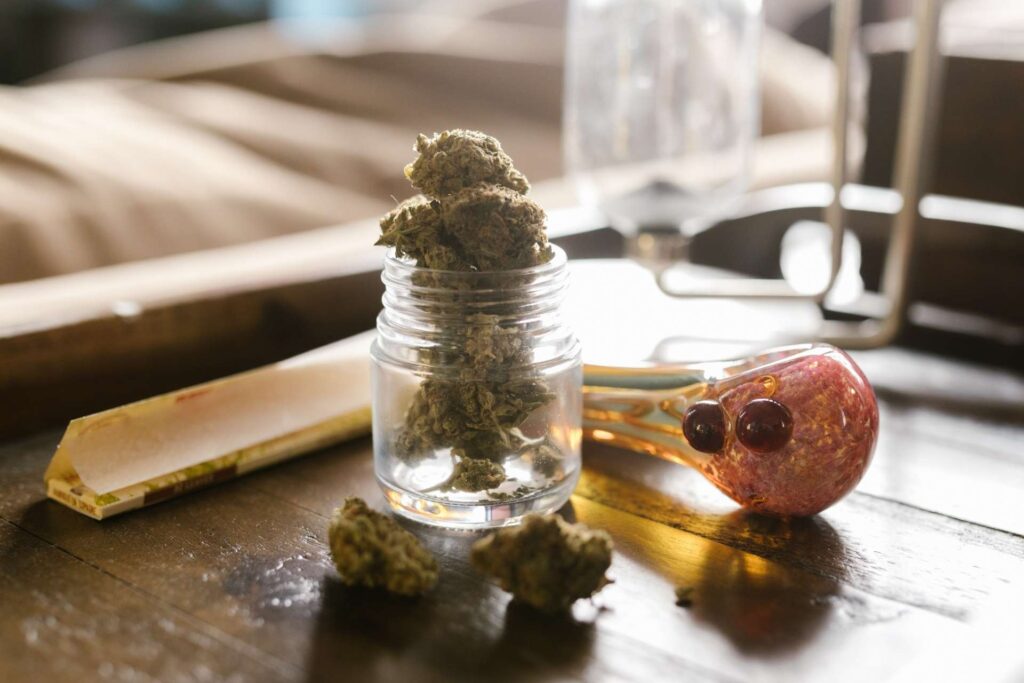
For those who feel emotionally dependent on cannabis, our program offers clarity, structure, and the chance to reconnect with purpose and energy beyond the haze.

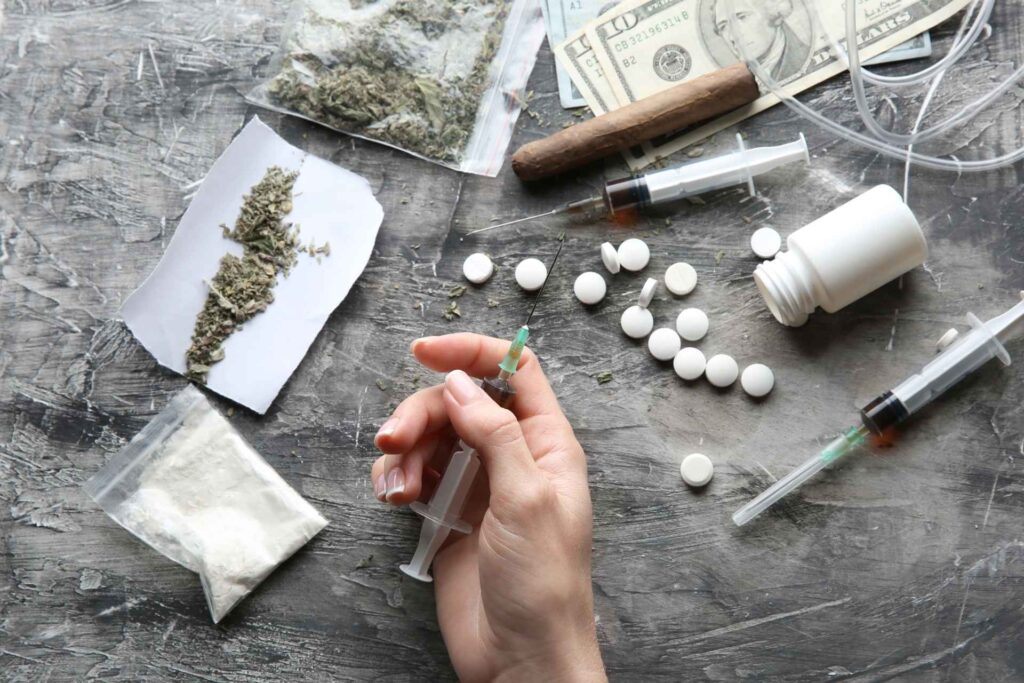
Cocaine, methamphetamine, and amphetamines can take a major toll on mental and emotional health. Our program helps clients rebuild from the psychological and neurological impact of long-term stimulant use.
For those facing both substance use and mental health challenges (like depression, anxiety, trauma, or bipolar disorder), we offer fully integrated care with licensed professionals who understand both sides of the story.
Understanding what will actually happen during detox can reduce fear and help you or a loved one arrive more prepared. Here is what the process typically looks like in a residential setting.
Intake And Clinical Assessment
On arrival, you meet with clinical and medical staff for a thorough evaluation. This covers your kratom use history, the last time you used, any previous withdrawal experiences, current medications, and underlying health conditions.
The assessment helps determine your individual risk level and guides the detox protocol. Clinicians use validated tools to monitor withdrawal severity throughout the process.
Symptom-Triggered Monitoring
One of the most important aspects of medically supervised detox is how withdrawal is monitored. At evidence-based facilities, clinicians use standardized assessment tools to score withdrawal severity at regular intervals.
These tools assess specific symptoms including muscle aches, sweating, nausea, anxiety, and restlessness, and generate scores that guide treatment decisions in real time. Symptom-triggered dosing, meaning medication is given based on actual, current symptoms rather than a rigid fixed schedule, improves safety outcomes, reduces total medication requirements, and makes the detox experience more comfortable and personalized.
Understanding this is useful for anyone researching kratom detox programs: asking whether a facility uses validated symptom monitoring is one of the most important questions you can ask.
Managing Withdrawal Symptoms
During the acute phase of detox, clinical staff manage symptoms as they emerge. This may include medications to reduce discomfort, ease anxiety, and address gastrointestinal distress, as well as nutritional support, hydration, and rest-focused care.
The goal is not simply to get through withdrawal; it is to do so in a way that protects your safety and preserves your capacity to move into the therapeutic work ahead.
Emotional And Psychological Support
Withdrawal is not only physical. Feelings of fear, shame, grief, or emotional flooding are common during kratom detox. Our trauma-informed staff are present not only to manage physical symptoms but to offer genuine human support from the first day of care.
Kratom withdrawal follows a general timeline, though individual experiences vary significantly based on use history, overall health, age, and other factors. People with a longer history of heavy daily use or co-occurring medical conditions tend to experience more intense symptoms.
Hours 6 to 24: Early Symptoms Begin
Mild symptoms may emerge within six to twenty-four hours of the last dose. These can include muscle aches, mild anxiety, irritability, nausea, and restlessness. The nervous system is beginning to register the absence of kratom.
Days 1 to 3: Symptom Progression And Peak
Symptoms typically intensify through the first two to three days. Insomnia, sweating, mood changes, and gastrointestinal distress are often most prominent during this window. Monitoring frequency increases, and medication protocols are adjusted based on real-time assessment.
Days 3 to 5: Stabilization
For most people, acute symptoms begin to subside after seventy-two hours. Physical stability returns, and clients typically begin to feel more present, clearer, and capable of beginning the therapeutic work of treatment.
Beyond Day 7: Post-Acute Withdrawal Syndrome (PAWS)
For some individuals, a secondary phase known as Post-Acute Withdrawal Syndrome (PAWS) can persist for weeks or months after acute detox. PAWS symptoms include sleep disturbances, mood swings, cognitive fog, low energy, and difficulty with emotional regulation.
PAWS does not mean something has gone wrong. It reflects the brain’s longer-term neurological recalibration and is one of the key reasons why continuing into residential treatment, rather than leaving after physical detox, makes such a meaningful difference in outcomes.
Physical stabilization through detox is the foundation, but the behavioral, psychological, and social roots of kratom use disorder require the sustained work that comes next.
For most people completing detox at Ojai Recovery, the natural next step is our residential substance abuse treatment program. Because we offer both detox and residential care on the same campus with the same clinical team, you don’t need to transfer facilities or rebuild trust with new providers.
Residential treatment typically runs 30–90 days and includes individual therapy, group sessions, trauma-informed care, dual-diagnosis support, and experiential and holistic programming.
Following residential treatment, many clients benefit from a Partial Hospitalization Program (PHP) or outpatient treatment program, structured programming that supports the transition back to daily life while maintaining clinical connection.
These step-down levels of care are designed to prevent relapse during the vulnerable period when external structure is reduced.
Recovery doesn’t end at discharge. Our aftercare and alumni services help clients maintain the connections, coping tools, and support systems that sustain long-term sobriety.
Here are some questions people also ask about kratom detox and kratom addiction more generally.
To safely detox from kratom, the body must gradually clear mitragynine while withdrawal symptoms are managed. This process is best handled under medical supervision to prevent complications and reduce the risk of relapse. A clinical detox typically involves hydration to restore balance, nutritional support including vitamins to prevent physical decline, and medications to manage nervous system symptoms and ease discomfort.
Acute kratom withdrawal typically begins within 12 to 24 hours of the last dose and peaks around days two to three. For most people, the sharpest physical symptoms resolve within five to seven days. Some individuals experience a longer phase of fatigue, mood changes, and cravings that can persist for several weeks.
Common kratom withdrawal symptoms include muscle aches, nausea, sweating, irritability, insomnia, and anxiety. Some individuals also experience runny nose, gastrointestinal distress, and strong cravings to use again. Symptoms vary in intensity based on how long and how heavily kratom was used.
Kratom detox generally moves through three stages: early onset symptoms in the first 24 hours, peak withdrawal between days one and three, and a stabilization phase from days three to seven. A longer post-acute phase may follow for heavier users, involving mood instability and low energy. Medical support at each stage makes the process significantly safer and more manageable.
Coming off kratom produces both physical and psychological symptoms, including muscle pain, chills, nausea, insomnia, and intense irritability. Many people also experience emotional symptoms such as anxiety, depression, and difficulty concentrating. The combination of physical and emotional discomfort is one of the primary reasons professional detox support is recommended.
Medical supervision, hydration, nutritional support, and symptom-targeted medications are the most effective tools for managing kratom withdrawal. Medications such as clonidine and anti-anxiety agents can reduce discomfort during the acute phase. Emotional support from clinical staff and a structured environment significantly reduce the risk of relapse during withdrawal.
The body’s acute physical recovery from kratom typically takes one to two weeks after the last dose. Full neurological and emotional stabilization can take longer, particularly for individuals with a long history of heavy use. Continued residential treatment after detox supports deeper and more lasting recovery.
The most effective treatment combines medically supervised detox with a structured residential program that addresses both the physical and psychological roots of addiction. Individual therapy, group support, and trauma-informed care are essential components of lasting recovery. A continuum of care that includes step-down programming and aftercare planning produces the best long-term outcomes.
Treatment centers use a combination of medical monitoring, supportive medications, and clinical care to help clients through kratom withdrawal safely. Medications such as clonidine, anti-nausea agents, and non-steroidal anti-inflammatories are commonly used to ease symptoms. Nutritional support, hydration, and around-the-clock clinical oversight round out the standard approach to residential kratom detox.