Addiction often comes with underlying mental health challenges. At Ojai Recovery, we specialize in treating co-occurring disorders with an integrated approach helping you heal fully, not just manage symptoms. Whether you choose a comprehensive residential program or a more flexible outpatient program, Ojai Recovery will meet you where you are right now.

2 reviews
3 months ago
This place has changed my life! I never envisioned having an awakening until I came to this place. It is the best place in Ventura County. They have the most amazing staff who go out of their way to be there for you I personally Experienced so much love from them..extra bonus best food ever!

1 review
2 months ago
As a parent, I am so grateful to Ojai Recovery. My son they did help when I was almost desperate. He’s just hit one year sober and is doing great.

62 reviews
A month ago
Beautiful property! Staff is absolutely amazing and will help anyway they can!! A++
1 review
2 months ago

1 review
A day ago
Co-occurring disorders refer to the presence of both a substance use disorder and a mental health condition. One often fuels the other, creating a cycle that’s hard to break without treating both at once.
You don’t have to face co-occurring challenges alone. Supportive, professional help is available reach out today to begin a guided path toward recovery.
Co-occurring disorders rehab is a specialized form of treatment designed for adults living with both a substance use disorder and one or more mental health disorders at the same time. Sometimes called dual diagnoses, these intertwined conditions are common.
The Substance Abuse and Mental Health Services Administration (SAMHSA) reports that millions of U.S. adults experience co-occurring substance abuse and mental illness each year, and most do not receive care for both conditions together.
At Ojai Recovery, we believe that healing happens when both sides of the story are treated as part of the same picture. Rather than sending you from a substance use program to an outpatient mental health program and back again, our integrated treatment approach addresses your behavioral health disorder and substance use as connected experiences, because they almost always are.
Here’s how we make that happen:
When mental health services and substance abuse treatment happen together, the work tends to be more honest, more thorough, and more sustainable.
Integrated services give you a single team that understands how depression can drive drinking, how anxiety can fuel benzodiazepine use, or how unresolved trauma can keep someone reaching for relief in ways that hurt over time.
The National Institute on Drug Abuse (NIDA) emphasizes that treating both conditions concurrently, rather than sequentially, is associated with stronger engagement in care.
Evidence-based behavioral therapies and clinical care
Ojai Recovery’s clinical team is trained in the behavioral therapies most often used in dual diagnosis settings. Depending on your needs, your plan may include:
Co-occurring disorders require more than treating substance use alone. Integrated care helps your treatment team understand how anxiety, depression, trauma, or other mental health concerns may contribute to substance use and address these issues together.
Through therapy and clinical support, you can develop healthier ways to manage triggers, regulate emotions, and cope with difficult experiences. Learn more about our dual diagnosis treatment in Ventura County and how integrated care can support lasting recovery.Ojai Recovery provides medical detox and residential treatment for individuals across Ventura County, Santa Barbara County, and Los Angeles County. We regularly support clients from Ojai, Ventura, Santa Barbara, Thousand Oaks, Camarillo, and Los Angeles. We offer a structured, clinically-driven environment designed for lasting recovery with most major insurance plans accepted and same day admissions.
At Ojai Recovery, we know that healing from alcohol addiction is about more than just stopping drinking, it’s about rebuilding your life in a way that feels whole, balanced, and sustainable. Our approach blends evidence-based treatment with the natural serenity of Ojai, creating an environment where clients feel supported, seen, and empowered to recover.
When you reach out, our admissions team begins a confidential conversation that becomes the first step in your assessment and diagnosis process. From there, your care moves through a coordinated continuum:
Depending on your needs, your plan may include:
When clinically appropriate, pharmacological treatment is part of the picture as well. This may include psychiatric medication for mental health conditions and, for opioid use disorder, medications for opioid use disorder (MOUD), sometimes called medically assisted treatment. Our medical team can also coordinate overdose treatment education and naloxone access for you and your family.
This is what’s known as an Integrated Dual Disorder Treatment (IDDT) model, sometimes also called a concurrent COD treatment program or an Integrated COD program. Rather than fragmenting your care across different treatment providers, your treatment team (therapist, psychiatric clinician, case manager, medical staff) works together on a single plan. Your case manager helps coordinate referrals, paperwork, and any referral form your insurance or outside provider may require, so you can focus on healing rather than logistics.
Our addiction treatment services are community-based and rooted in the social model of recovery, which means connection, relationships, and shared experience are part of the clinical work, not separate from it.
We want to be honest with you. Treating co-occurring disorders is complex work, and pretending otherwise doesn’t serve anyone. Naming the challenges up front is part of how we help you and your family prepare for what real healing actually looks like.
Layered symptoms can be hard to untangle
When substance use and mental disorders overlap, symptoms can mirror, mask, or amplify each other. Withdrawal can look like anxiety. Long-term stimulant use can mimic mania. Depression can deepen during early sobriety before it begins to lift. This is the clinical complexity our team is trained to hold, and it’s why thoughtful psychiatric screening and ongoing assessment matter so much. The severity of disorder on either side may also shift over the first weeks of treatment, which is why your plan stays flexible.
Some mental health conditions need specialized care
Mental health problems vary widely, and some require particular attention within a rehab setting. Conditions our clinicians frequently work alongside include:
For adults with an intellectual and developmental disability alongside substance use, care needs may be more individualized than a standard program can offer. Our admissions team can talk with you honestly about whether Ojai Recovery is the right fit, or whether a different setting would serve you better.
The roots run deep, and that’s okay
Co-occurring disorders rarely have a single cause. Research consistently points to a mix of genetic factors and environmental factors: family history, early-life experiences, chronic stress, exposure to trauma, and social conditions. According to the National Survey on Drug Use and Health (NSDUH), a significant share of adults with mental illness also experience substance use, and many have histories shaped by these overlapping influences. None of this is your fault, and none of it is permanent.
Real-life pressures don’t pause for treatment
Many adults entering rehab are also managing involvement with the criminal justice system, family disruption, housing instability, or job stress. Behavior change objectives in dual diagnosis treatment account for these realities. Your case manager helps you navigate outside obligations, including coordination with outpatient mental health programs, probation officers, or employers, so treatment doesn’t feel like one more thing pulling you in different directions.
A note on safety
If you or a loved one is in immediate crisis, please call or text the 988 Suicide & Crisis Lifeline for confidential support, 24 hours a day. When you’re ready to talk about treatment, our admissions team is here at (805) 273-8798.
Ojai Recovery 158 Rockaway Rd Oak View, CA 93022 (805) 273-8798
Our addiction recovery programs are designed to help you slow down, focus inward, and find balance. In the heart of Ojai’s natural beauty, you’ll experience an environment that nurtures both mind and body, with gentle mountain breezes, open skies, and quiet moments that remind you how good life can feel.
We serve adults across Ventura County, including Ojai, Ventura, Oxnard, Camarillo, Thousand Oaks, Simi Valley, Santa Paula, Fillmore, Port Hueneme, Moorpark, and Oak Park; Santa Barbara County, including Santa Barbara, Goleta, Carpinteria, and Summerland; and the western edge of Los Angeles County, including Agoura Hills, Westlake Village, and Chatsworth.
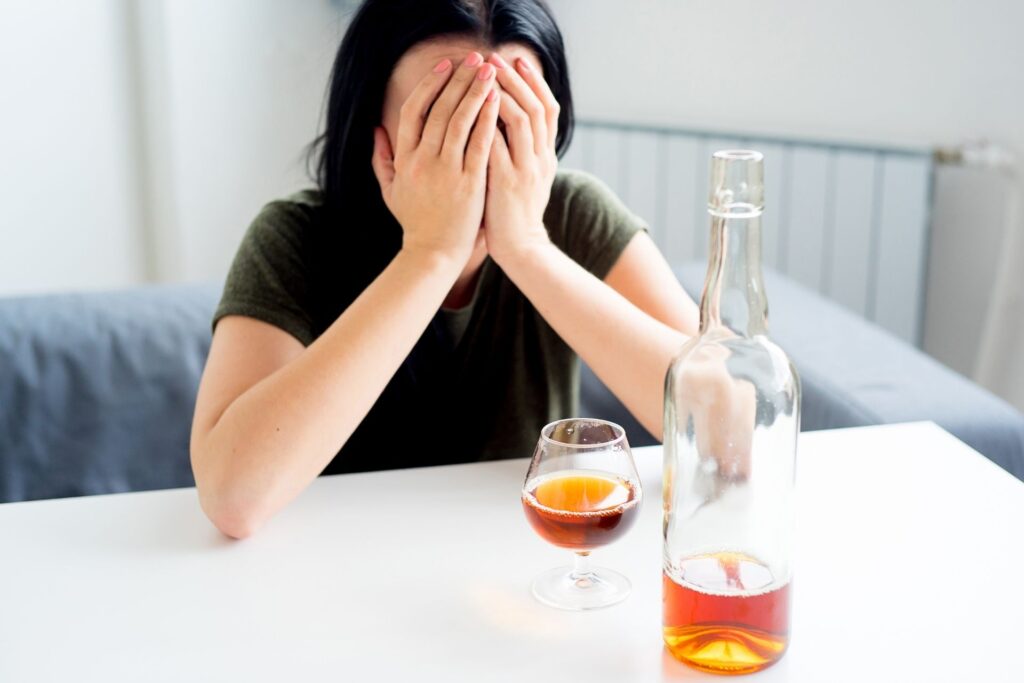
Chronic drinking, binge drinking, or self-medicating with alcohol often masks deeper emotional pain. We offer medical detox and trauma-informed therapy to help clients safely stop drinking, and rediscover life without it.

Stopping benzodiazepines suddenly can be dangerous. Our program manages the taper under medical supervision, with clinical support for the anxiety and sleep problems that often sit underneath the dependency.

Cocaine use tends to escalate in cycles, with the crash driving the next use. Treatment focuses on breaking that pattern, stabilizing mood, and rebuilding the routines cocaine pushed aside.

Fentanyl dependency builds quickly and withdrawal is difficult to get through alone. Our medically supervised detox manages that safely, with continued care to protect the stability you gain.

Cannabis dependency is easy to dismiss and hard to stop when motivation, sleep, and mood have shifted around it. Treatment here takes it seriously, without judgment.

Long-term methamphetamine use takes a heavy toll on thinking, sleep, and mood, and recovery is not fast. Care here combines residential structure with treatment for the mental health effects.

From heroin to fentanyl to prescription painkillers, opioid addiction requires careful detox, medication-assisted care when appropriate, and strong emotional support to address the trauma that often drives use.
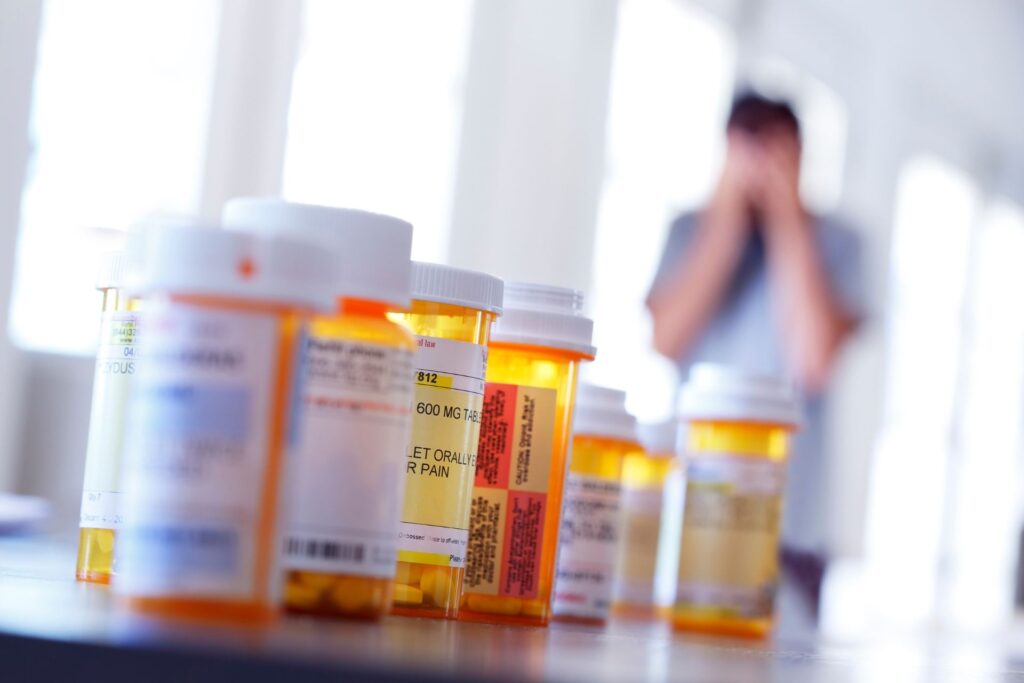
Whether painkillers, benzos, or ADHD medications, prescription drug misuse can quickly spiral into dependence. We treat this with clinical precision and deep compassion, focusing on both physical detox and emotional healing.
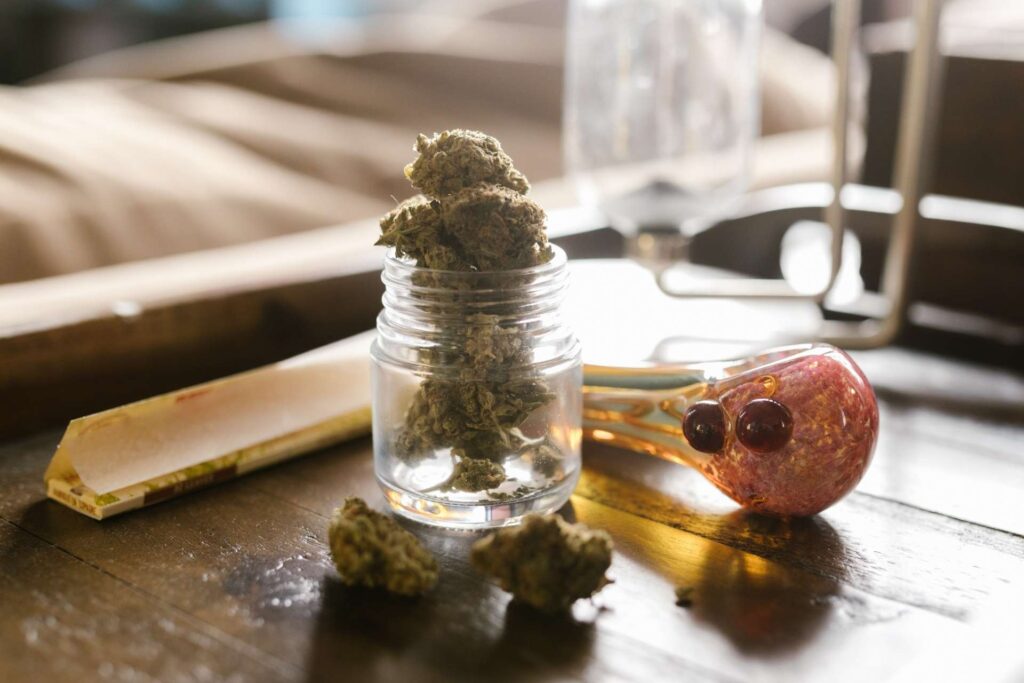
For those who feel emotionally dependent on cannabis, our program offers clarity, structure, and the chance to reconnect with purpose and energy beyond the haze.

Cocaine, methamphetamine, and amphetamines can take a major toll on mental and emotional health. Our program helps clients rebuild from the psychological and neurological impact of long-term stimulant use.
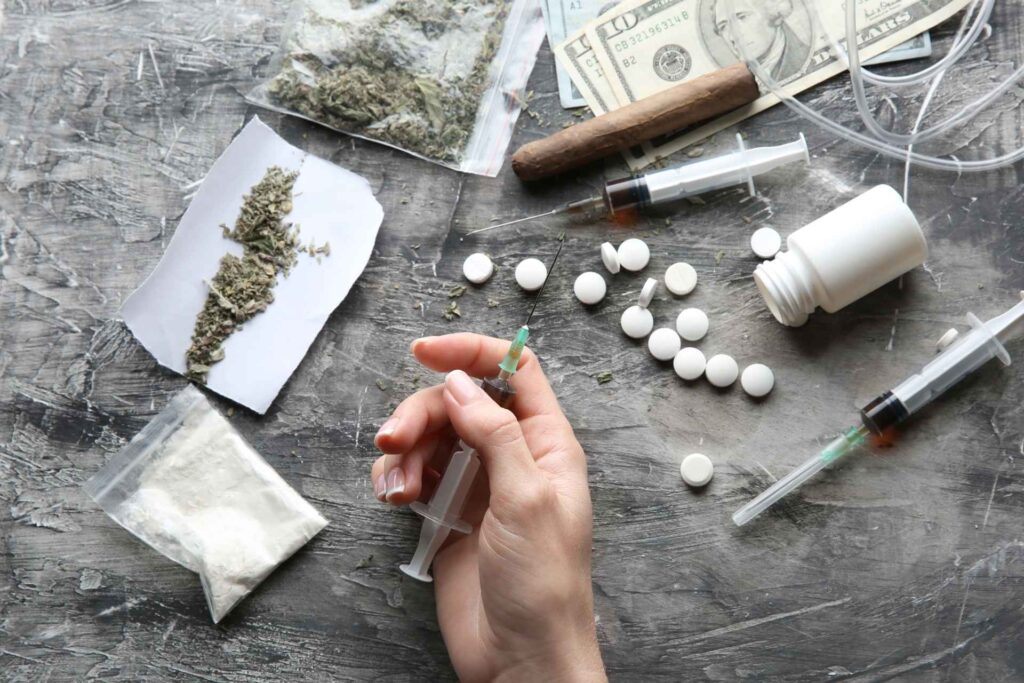
For those facing both substance use and mental health challenges (like depression, anxiety, trauma, or bipolar disorder), we offer fully integrated care with licensed professionals who understand both sides of the story.
Here are some questions people also ask about co-occuring disorders rehab and dual diagnosis treatment more generally:
Co-occurring disorders, also called dual diagnoses, refers to having a substance use disorder and one or more mental health disorders at the same time. Common pairings include alcohol use with depression, stimulant use with anxiety or bipolar symptoms, and opioid or benzodiazepine misuse alongside trauma or PTSD. Because each condition can fuel the other, treating them together tends to produce more durable progress than treating them in isolation.
We use an integrated treatment approach grounded in the Integrated Dual Disorder Treatment (IDDT) model. From your first assessment and diagnosis, a single treatment team (therapists, a psychiatric clinician, medical staff, and your case manager) builds one coordinated plan that addresses substance use and mental illness together. Your plan may include evidence-based behavioral therapies like cognitive behavioral therapy and dialectical behavior therapy, individual therapy, group work, psychiatric medication when clinically appropriate, and holistic supports like yoga, meditation, and nature-based programming.
Adults 18+ who are living with both a substance use challenge and a mental health condition are the people our program is built for. That includes anyone whose substance use is connected to depression, anxiety, PTSD, ADHD, bipolar symptoms, trauma history, or personality-related struggles. Families researching options on behalf of a loved one are also welcome to reach out, and our admissions team is comfortable answering questions before any commitment is made.
Yes. Alongside clinical behavioral interventions and pharmacological treatment, our program includes holistic and experiential modalities: yoga, meditation, expressive arts, breathwork, mindfulness, and nature-based outings in the Ojai Valley. These are integrated with, not separate from, our clinical work. They’re designed to support emotional regulation, presence, and self-awareness as part of whole-person recovery.
Days at Ojai Recovery follow a steady rhythm: morning check-ins, individual or group therapy, time for movement or mindfulness, clinical programming, shared meals, and unstructured time in the natural setting that surrounds our campus. The structure is real, but it isn’t rigid. Your treatment team adjusts intensity based on the severity of disorder, where you are in your recovery, and what your body and mind need.
Most major private insurance plans cover dual diagnosis treatment, and protections under the Affordable Care Act classify mental health and substance use care as essential health benefits. The simplest way to find out what your specific plan covers is to verify your insurance through our confidential online form. It takes only a few minutes and there’s no obligation to enroll.
Ojai Recovery offers a full continuum: medically supervised detox, residential treatment (inpatient care), Partial Hospitalization Programs (PHP), Intensive Outpatient Programs (IOP), and standard outpatient care. We also coordinate aftercare and alumni support for the long arc of recovery. You can read more about our levels of care and how each one fits into the journey.
Standard addiction treatment services often focus primarily on substance use, with mental health treated as secondary or referred out. In dual diagnosis rehab, integrated services mean the mental health condition is treated with equal clinical depth from day one. Your treatment provider is trained in both, so you’re not piecing together community-based treatment from multiple disconnected sources.
Recovery doesn’t end when residential care does. Our aftercare and alumni community keeps you connected through ongoing support groups, alumni gatherings, and continued access to clinical resources. Many clients also step down through PHP and outpatient programming as a gradual transition, with their case manager helping coordinate any referral form or outside support, including ongoing mental health services, that helps them stay grounded.