Medically reviewed by Gina Rossetti, MD, Medical Director, and Oriana Murphy, LCSW, Clinical Director. Last reviewed September 2026
Ojai Recovery treats dependence on concentrated 7-hydroxymitragynine products, the potent kratom extracts sold as 7-OH tablets, gummies, shots and powders. Care runs from medically supervised withdrawal through residential treatment and outpatient support, all from one licensed facility in Oak View.
Because 7-OH acts on opioid receptors, we treat it as an opioid-type dependence, with the medical caution that implies. Because people rarely start using it for no reason, we treat what sits underneath it at the same time.

2 reviews
3 months ago
This place has changed my life! I never envisioned having an awakening until I came to this place. It is the best place in Ventura County. They have the most amazing staff who go out of their way to be there for you I personally Experienced so much love from them..extra bonus best food ever!

1 review
2 months ago
As a parent, I am so grateful to Ojai Recovery. My son they did help when I was almost desperate. He’s just hit one year sober and is doing great.

62 reviews
A month ago
Beautiful property! Staff is absolutely amazing and will help anyway they can!! A++
1 review
2 months ago

1 review
A day ago
7-hydroxymitragynine is one of the alkaloids in the kratom plant, and it is the one responsible for most of kratom’s opioid-like effects. Concentrated 7-OH products isolate or enhance it, which makes them substantially stronger than whole-leaf kratom.
Potency is why dependence can develop faster than people expect, and why stopping abruptly can produce opioid-type withdrawal. Many people using these products did not set out to use an opioid at all.
Dependence is not a question of willpower or dose alone. It is a physical adaptation, and it responds to medical and clinical treatment the same way other opioid-type dependencies do.
Treatment is usually the right step when several of these are true.
Withdrawal from concentrated 7-OH commonly brings nausea, vomiting, diarrhea, muscle aches, sweating, chills, disrupted sleep, anxiety, low mood and strong cravings. Product labeling on these extracts is inconsistent and alkaloid content varies widely between products, which makes self-managed tapering unpredictable.
If someone’s breathing is slow or shallow, or you cannot wake them, call 911. Naloxone may reverse opioid-type effects from concentrated kratom extracts, and emergency evaluation is still needed afterward.
Treatment is matched to what the assessment finds, not to a fixed package. Most people begin at one of the first two levels and step down as they stabilize.
| Level of care | What it covers | Setting |
|---|---|---|
| Medically supervised withdrawal | Monitoring, symptom management, medication when clinically appropriate | Residential, Oak View facility |
| Residential treatment | Cravings, triggers, co-occurring symptoms, routines, relapse planning | Residential, same clinical team |
| Partial hospitalization (PHP) | Intensive daytime clinical care, evenings at home or in supportive housing | Ventura |
| Outpatient and intensive outpatient | Continued therapy and medication management at lower intensity, with day, evening and weekend options | Outpatient |
| Aftercare and alumni | Relapse prevention, peer support, continued connection | Ongoing |
Treatment length is based on clinical needs, progress, authorization and the continuing-care plan rather than one fixed duration.
If you have been using concentrated 7-OH daily, withdrawal is usually the first thing to manage. That means clinical monitoring, hydration and nutritional support, and prescribed medication where appropriate, with staff assessing symptoms as they develop rather than working from a fixed timeline.
Timing matters here. Starting certain opioid medications too soon after recent 7-OH use can trigger precipitated withdrawal, so our medical team screens for recent exposure before making that decision.
Once you are medically stable, treatment shifts to what kept the use going. You stay with the same clinical team as intensity steps down, so there is no transfer to another provider and no re-telling your history to strangers.
Explore related programs
The clinical work is where dependence actually gets addressed. Ours combines evidence-based therapy with the experiential and social-model approach the program is built around.
With your consent, family members can be brought into the process early.
Explore therapy options
Many people began using concentrated kratom to manage something: chronic pain, anxiety, low mood, sleep, or the aftermath of trauma. When the substance stops, whatever it was managing tends to surface.
The conditions we most often see alongside 7-OH dependence:
Treating those together is the point of integrated care. Psychiatric assessment and medication management run alongside the substance use work rather than waiting until afterward.
We look at your whole health picture – mind, body, and spirit. At our Detox Treatment in Ventura County, CA, we offer therapy, yoga, meditation, nutrition guidance, and life skills training. These tools help you build a strong foundation for lasting recovery.

We treats a substance use disorder and a mental health condition together, in one coordinated plan.
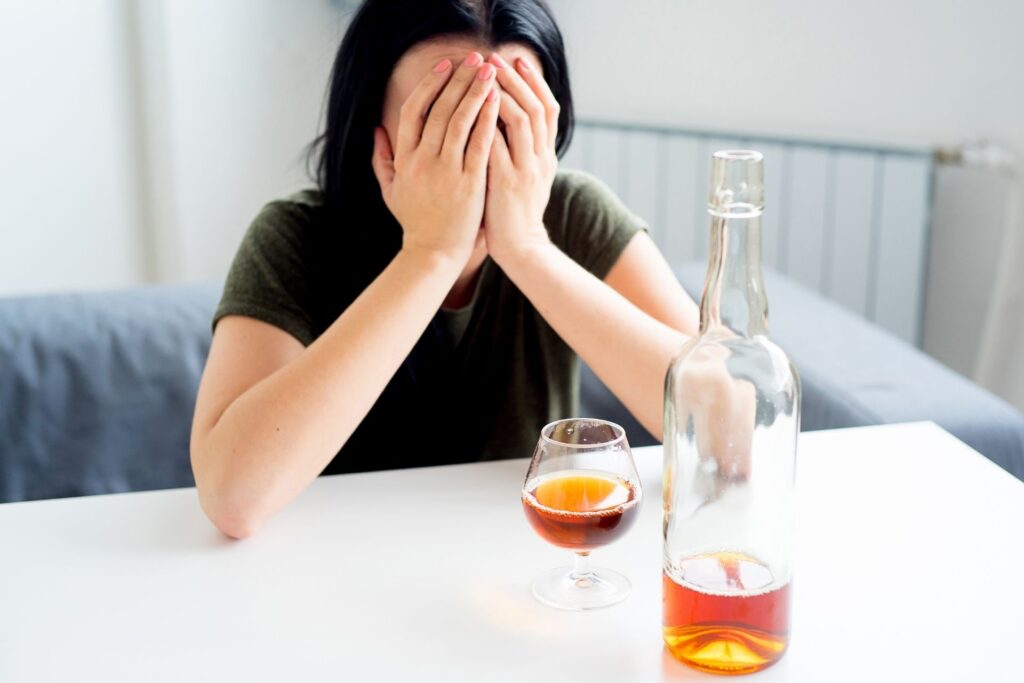
Chronic drinking, binge drinking, or self-medicating with alcohol often masks deeper emotional pain. We offer medical detox and trauma-informed therapy to help clients safely stop drinking, and rediscover life without it.

Stopping benzodiazepines suddenly can be dangerous. Our program manages the taper under medical supervision, with clinical support for the anxiety and sleep problems that often sit underneath the dependency.

Cocaine use tends to escalate in cycles, with the crash driving the next use. Treatment focuses on breaking that pattern, stabilizing mood, and rebuilding the routines cocaine pushed aside.

Fentanyl dependency builds quickly and withdrawal is difficult to get through alone. Our medically supervised detox manages that safely, with continued care to protect the stability you gain.

Cannabis dependency is easy to dismiss and hard to stop when motivation, sleep, and mood have shifted around it. Treatment here takes it seriously, without judgment.

Long-term methamphetamine use takes a heavy toll on thinking, sleep, and mood, and recovery is not fast. Care here combines residential structure with treatment for the mental health effects.
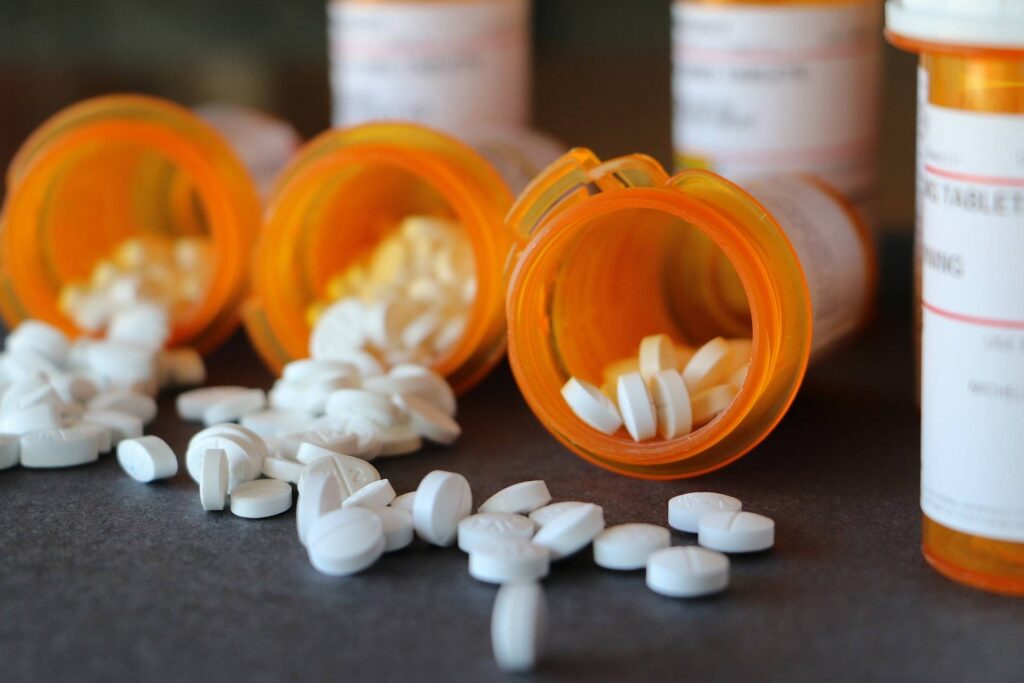
From heroin to fentanyl to prescription painkillers, opioid addiction requires careful detox, medication-assisted care when appropriate, and strong emotional support to address the trauma that often drives use.
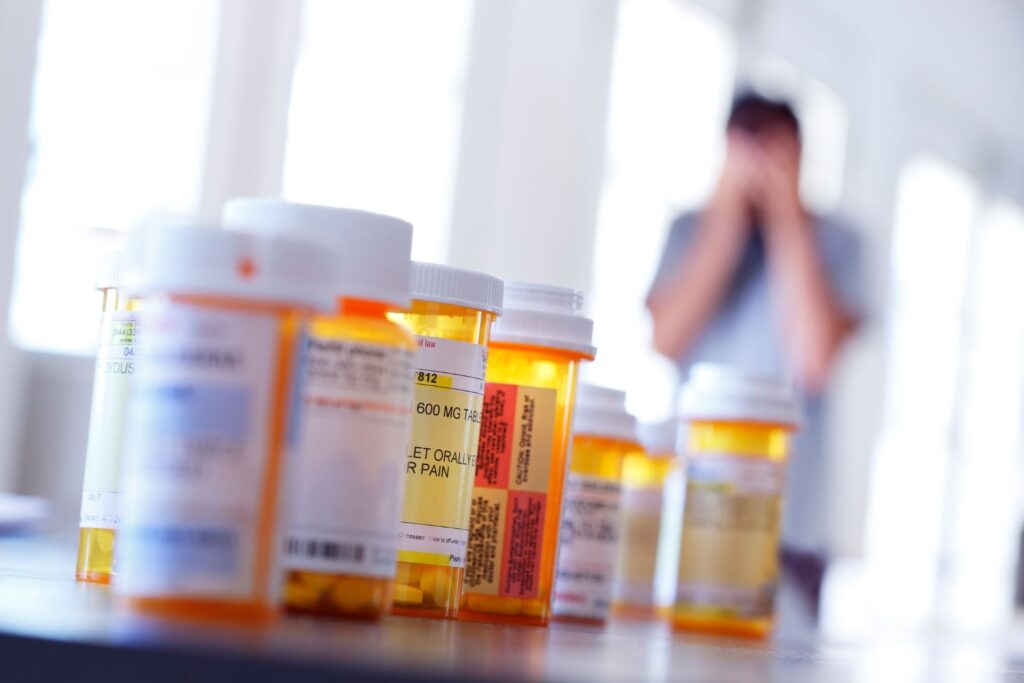
Whether painkillers, benzos, or ADHD medications, prescription drug misuse can quickly spiral into dependence. We treat this with clinical precision and deep compassion, focusing on both physical detox and emotional healing.
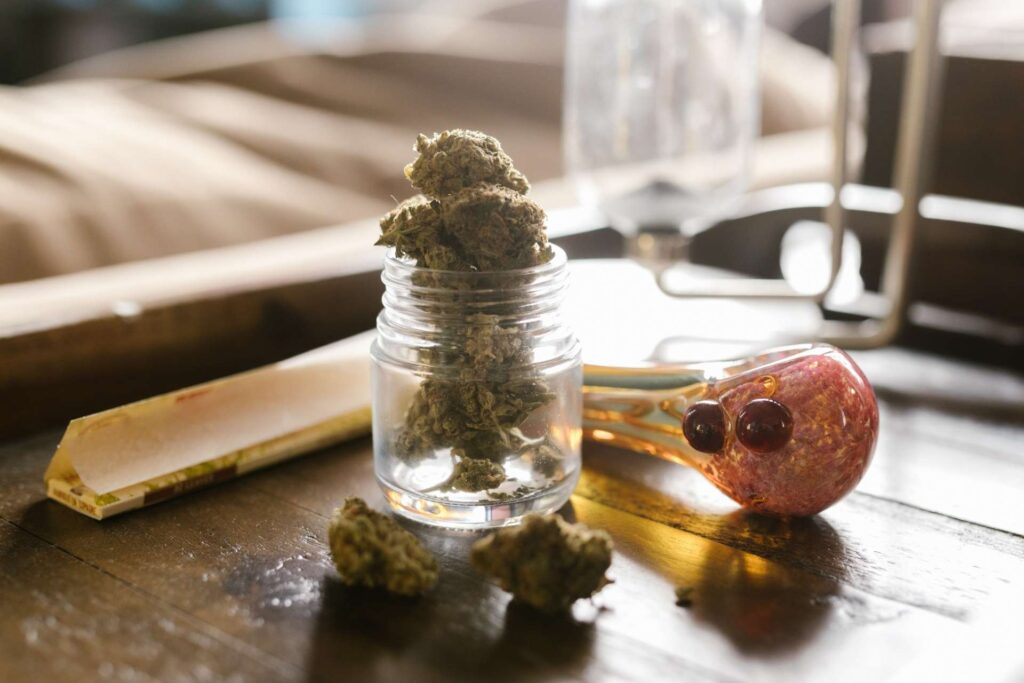
For those who feel emotionally dependent on cannabis, our program offers clarity, structure, and the chance to reconnect with purpose and energy beyond the haze.
Cocaine, methamphetamine, and amphetamines can take a major toll on mental and emotional health. Our program helps clients rebuild from the psychological and neurological impact of long-term stimulant use.
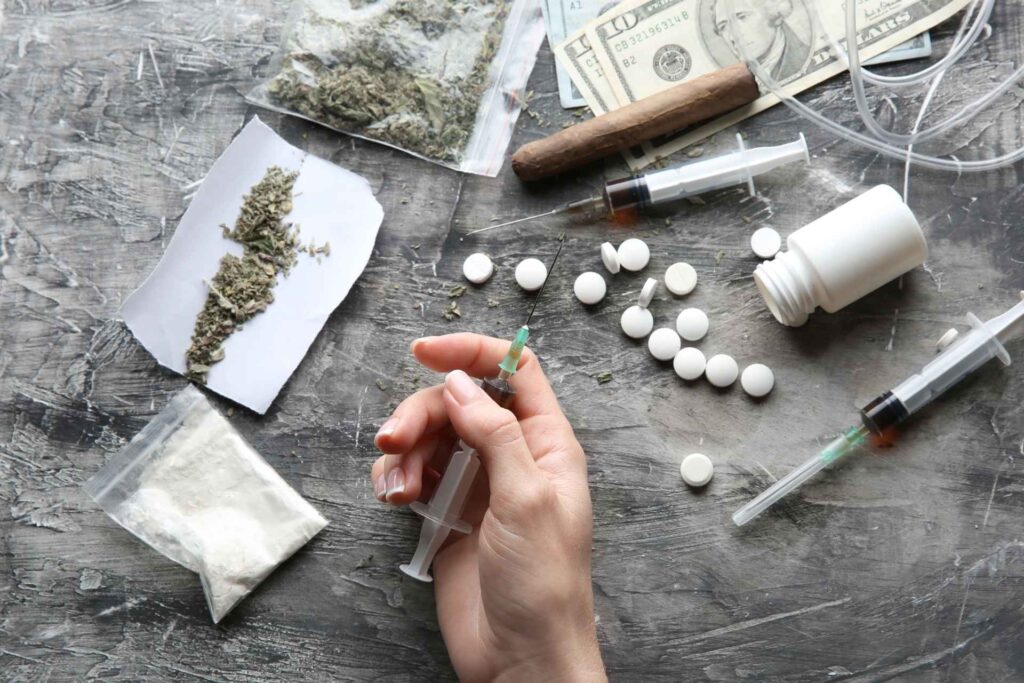
For those facing both substance use and mental health challenges (like depression, anxiety, trauma, or bipolar disorder), we offer fully integrated care with licensed professionals who understand both sides of the story.
Nothing is decided on the first call, and the conversation is confidential whether or not you start treatment with us.
Confidential · Admissions available 24/7 · Same-day admission is often possible
A short, confidential call is enough to sort out the right starting point, what your plan covers, and what the first day would actually look like. Nothing is decided on the call, and there is no cost to ask.
Recovery from 7-OH dependence is more than stopping use. It’s about restoring balance, strength, and clarity in every part of life. Ojai Recovery provides a structured, compassionate program with guidance, support, and tools to help clients rebuild routines, manage emotions, and regain control with confidence.
7-OH is not treated as a supplement habit here. Medical oversight, induction timing and withdrawal risk are handled the way they would be for any opioid-type dependence.
Psychiatric care and trauma-informed therapy are part of the plan from the start, not a referral at the end.
Withdrawal management through outpatient care happens under the same clinical leadership, so nothing restarts when your level of care changes.
A quiet campus in Oak View, with structure, outdoor time and a social model of recovery built around connection.
Ojai Recovery 158 Rockaway Rd Oak View, CA 93022 (805) 273-8798
Our addiction recovery programs are designed to help you slow down, focus inward, and find balance. In the heart of Ojai’s natural beauty, you’ll experience an environment that nurtures both mind and body, with gentle mountain breezes, open skies, and quiet moments that remind you how good life can feel.
We serve adults across Ventura County, including Ojai, Ventura, Oxnard, Camarillo, Thousand Oaks, Simi Valley, Santa Paula, Fillmore, Port Hueneme, Moorpark, and Oak Park; Santa Barbara County, including Santa Barbara, Goleta, Carpinteria, and Summerland; and the western edge of Los Angeles County, including Agoura Hills, Westlake Village, and Chatsworth.
Ojai Recovery is in network with Medi-Cal and with select private carriers, and we also accept private insurance and self-pay. Network status and benefit levels vary by plan.
A free, confidential benefits check is the fastest way to find out what your plan covers across the levels of care.
It depends on where you are starting. For daily use of concentrated products, treatment usually begins with medically supervised withdrawal, then moves into residential or outpatient care that addresses cravings, triggers and any co-occurring mental health symptoms. The assessment sets the starting point.
Often, but not always. It depends on how much you are using, how long you have been using, what else is involved, and your medical history. The admissions assessment answers this before you commit to anything.
In clinical terms, largely yes. 7-OH acts on opioid receptors, so withdrawal management and medication decisions follow opioid protocols. The main difference is product variability, since concentrated extracts are inconsistently labelled and that affects planning.
There is no fixed length. Time in each level of care is based on clinical needs, progress, insurance authorization and the continuing-care plan. Most people step down gradually rather than finishing all at once.
At the outpatient levels, often yes. Our outpatient programming includes day, evening and weekend options so treatment can fit around work, school or family. Residential care requires staying on site.
Tell us. Combining concentrated kratom with alcohol, benzodiazepines or opioids changes the medical risk and changes how withdrawal is managed, so an honest history makes treatment safer rather than more complicated.
We are in network with Medi-Cal and with select private carriers, and we also accept private insurance and self-pay. Network status and benefit levels vary by plan, so a free benefits check is the fastest way to know what your plan covers.
Often the same day. It depends on what the assessment finds and on availability when you call. An admissions coordinator can tell you where things stand on a confidential call.
Licensed by the State of California Department of Health Care Services · License #560086BP · Expires 02/28/2027 · Joint Commission accredited · LegitScript certified
This page is for informational purposes and is not a substitute for professional medical advice, diagnosis or treatment. Always consult a qualified healthcare provider about your situation. If you are in crisis, call or text 988 for the Suicide and Crisis Lifeline. If someone’s breathing is slow or shallow or you cannot wake them, call 911.