Depression is more than sadness—it’s a persistent heaviness that drains motivation, distorts how you see yourself, and makes even ordinary days feel impossible. At Ojai Recovery, we treat depression at its root, creating a safe, compassionate space where real healing can begin. Whether you choose an in-house residential program or a more flexible outpatient program, Ojai Recovery will meet you where you are right now.

2 reviews
3 months ago
This place has changed my life! I never envisioned having an awakening until I came to this place. It is the best place in Ventura County. They have the most amazing staff who go out of their way to be there for you I personally Experienced so much love from them..extra bonus best food ever!

1 review
2 months ago
As a parent, I am so grateful to Ojai Recovery. My son they did help when I was almost desperate. He’s just hit one year sober and is doing great.

62 reviews
A month ago
Beautiful property! Staff is absolutely amazing and will help anyway they can!! A++
1 review
2 months ago

1 review
A day ago
Many people don’t start using substances because they want to escape life—they start because depression has made life feel unbearable, and no one has ever shown them a safer way through. Depression and addiction are deeply intertwined:
These patterns reveal how deeply depression can drive substance use. Healing starts when depression is acknowledged, not minimized — and treated with the clinical seriousness it deserves.
Depression doesn’t look the same for everyone. At Ojai Recovery, we treat the full spectrum of depressive conditions—each with its own presentation, triggers, and path to recovery.
For many people, substances have become a way to cope with depression that was never properly diagnosed or treated.
Discover the lasting changes that emerge when depression is treated at its root and recovery creates real space for growth.
Clients who engage in depression treatment at Ojai Recovery often describe experiencing:
At Ojai Recovery, we know that treating depression alongside addiction requires more than talk therapy. Our approach integrates evidence-based clinical care with the natural calm of Ojai’s environment — because healing the depressed mind also means regulating a dysregulated nervous system. Every element of your day here is designed with depression recovery in mind.
CBT, DBT, and trauma-informed approaches address the root causes of depression.
Structured group sessions that combat the isolation depression creates.
Yoga, mindfulness, art therapy, and movement helps rewire the nervous system.
An environment designed to reduce the shame and isolation that fuel depression.
We never force emotional disclosures before you're ready. Build trust before depth.
Our addiction recovery programs are designed to help you slow down, focus inward, and find balance. In the heart of Ojai’s natural beauty, you’ll experience an environment that nurtures both mind and body, with gentle mountain breezes, open skies, and quiet moments that remind you how good life can feel.
Your days here at our Addiction Treatment Center in Oak View, CA may begin with a walk along the shore of Casitas Lake, where the sunlight dances on the water and the air feels fresh with possibility. You might spend your afternoons hiking shaded trails that wind through the hills, journaling on a sunlit porch, or simply listening to the sounds of nature, a bird’s call, a rustling leaf, the soft hum of the wind.
We look at your whole health picture – mind, body, and spirit. At our Alcohol Detox in Ventura County, CA, we offer therapy, yoga, meditation, nutrition guidance, and life skills training. These tools help you build a strong foundation for lasting recovery.

Chronic drinking, binge drinking, or self-medicating with alcohol often masks deeper emotional pain. We offer medical detox and trauma-informed therapy to help clients safely stop drinking, and rediscover life without it.

From heroin to fentanyl to prescription painkillers, opioid addiction requires careful detox, medication-assisted care when appropriate, and strong emotional support to address the trauma that often drives use.
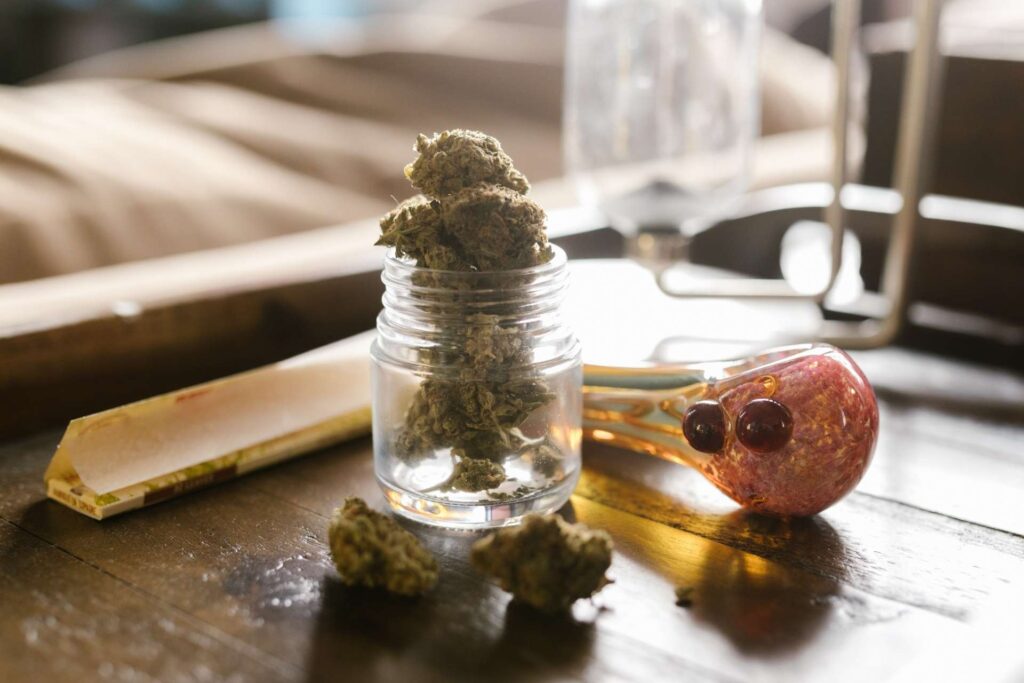
For those who feel emotionally dependent on cannabis, our program offers clarity, structure, and the chance to reconnect with purpose and energy beyond the haze.

Whether painkillers, benzos, or ADHD medications, prescription drug misuse can quickly spiral into dependence. We treat this with clinical precision and deep compassion, focusing on both physical detox and emotional healing.

Cocaine, methamphetamine, and amphetamines can take a major toll on mental and emotional health. Our program helps clients rebuild from the psychological and neurological impact of long-term stimulant use.
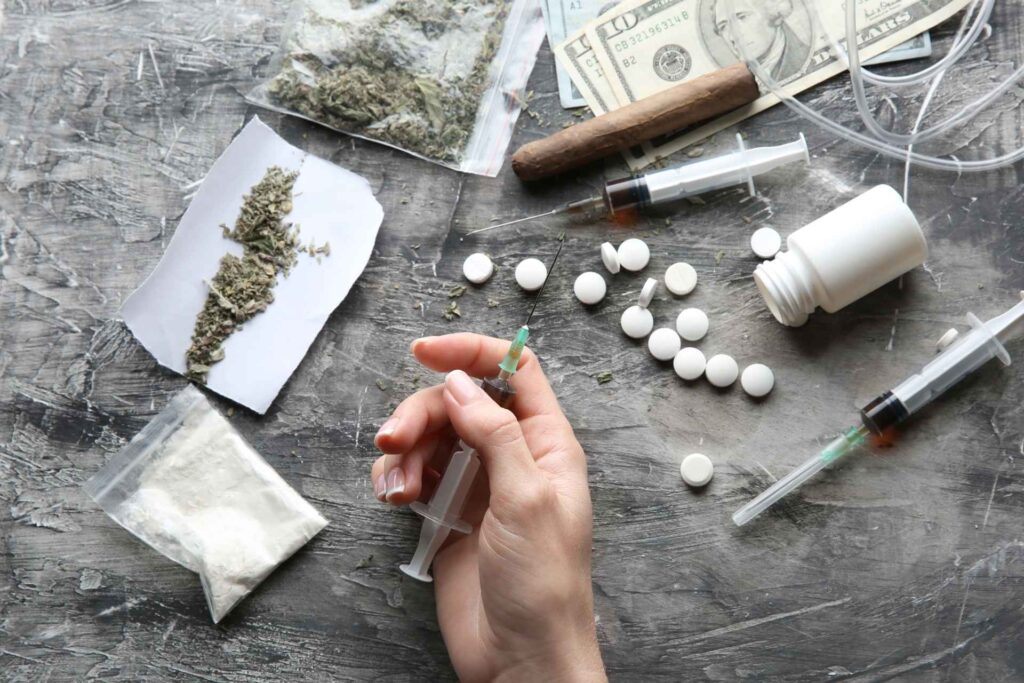
For those facing both substance use and mental health challenges (like depression, anxiety, trauma, or bipolar disorder), we offer fully integrated care with licensed professionals who understand both sides of the story.
Chronic drinking, binge drinking, or self-medicating with alcohol often masks deeper emotional pain. We offer medical detox and trauma-informed therapy to help clients safely stop drinking, and rediscover life without it.
From heroin to fentanyl to prescription painkillers, opioid addiction requires careful detox, medication-assisted care when appropriate, and strong emotional support to address the trauma that often drives use.
For those who feel emotionally dependent on cannabis, our program offers clarity, structure, and the chance to reconnect with purpose and energy beyond the haze.
Whether painkillers, benzos, or ADHD medications, prescription drug misuse can quickly spiral into dependence. We treat this with clinical precision and deep compassion, focusing on both physical detox and emotional healing.
Cocaine, methamphetamine, and amphetamines can take a major toll on mental and emotional health. Our program helps clients rebuild from the psychological and neurological impact of long-term stimulant use.
For those facing both substance use and mental health challenges (like depression, anxiety, trauma, or bipolar disorder), we offer fully integrated care with licensed professionals who understand both sides of the story.
Here are some questions people also ask about depression treatment at Ojai Recovery:
Managing depression involves a combination of professional treatment, lifestyle changes, and consistent self-care habits.
Working with a therapist or psychiatrist is a strong starting point, as they can help you build coping strategies tailored to your specific situation. Regular exercise, adequate sleep, and maintaining social connections have all shown meaningful impact on mood regulation. Tracking your symptoms and triggers in a journal can also help you and your care team identify patterns and adjust your approach over time.
There is no single “best” treatment — the most effective approach is usually a personalized combination of therapy, medication, and lifestyle support.
Cognitive Behavioral Therapy (CBT) is one of the most well-researched forms of psychotherapy for depression and helps patients identify and reframe negative thought patterns. Antidepressant medications, particularly SSRIs and SNRIs, are commonly prescribed and effective for moderate to severe depression. For treatment-resistant cases, options like TMS (transcranial magnetic stimulation) or ketamine therapy are increasingly available and showing promising results.
Depressive episodes are typically triggered by a combination of biological, psychological, and environmental factors rather than any single cause.
Stressful life events — such as loss, trauma, or major transitions — are common triggers, especially in people with a genetic predisposition to depression. Hormonal shifts, chronic illness, and disruptions to sleep or routine can also destabilize mood and precipitate an episode. In some cases, stopping medication abruptly or substance use can lower the neurological threshold for a depressive episode to occur.
Depression and addiction are deeply interconnected conditions that frequently co-occur and reinforce one another.
Both disorders share overlapping neurological pathways, particularly those involving dopamine and serotonin, which regulate mood and reward. People with depression are significantly more likely to develop a substance use disorder, and people struggling with addiction are at much higher risk of experiencing clinical depression. When both conditions are present, they are referred to as a co-occurring disorder or dual diagnosis, and each condition tends to worsen the severity of the other.
The relationship runs in both directions — depression can lead to substance use as a form of self-medication, and addiction itself can cause or deepen depression.
For some people, depressive symptoms precede substance use, as alcohol or drugs may initially seem to provide relief from emotional pain. For others, prolonged substance use alters brain chemistry in ways that trigger or worsen depressive episodes even after use stops. Research suggests that in many dual diagnosis cases, the conditions develop in a cyclical pattern rather than one clearly preceding the other.
Treating depression and addiction simultaneously — rather than sequentially — produces significantly better outcomes for people with a dual diagnosis.
Integrated treatment programs are specifically designed to address both conditions at once, combining behavioral therapies like Dialectical Behavior Therapy (DBT) or CBT with medically supervised addiction treatment and, where appropriate, psychiatric medication. Treating only one condition while leaving the other unaddressed creates a cycle where the untreated disorder continues to fuel relapse or worsening mood. A care team that includes both mental health and addiction specialists working in coordination is considered the gold standard for this type of complex, co-occurring presentation.