Mental health and addiction rarely travel alone. At Ojai Recovery, we treat both conditions together through an integrated, personalized care model — helping residents of Ventura County heal fully and sustainably, with compassion and clinical expertise. We offer an integrated care model across both our residential treatment services and outpatient programs.

2 reviews
3 months ago
This place has changed my life! I never envisioned having an awakening until I came to this place. It is the best place in Ventura County. They have the most amazing staff who go out of their way to be there for you I personally Experienced so much love from them..extra bonus best food ever!

1 review
2 months ago
As a parent, I am so grateful to Ojai Recovery. My son they did help when I was almost desperate. He’s just hit one year sober and is doing great.

62 reviews
A month ago
Beautiful property! Staff is absolutely amazing and will help anyway they can!! A++
1 review
2 months ago

1 review
A day ago
Dual diagnosis treatment means that your care team doesn’t treat your mental health and addiction as separate problems. Instead, we approach you as a whole person with interwoven needs, emotions, and experiences.
You don’t need to face these challenges alone. Expert support is available to guide Ventura County residents safely toward lasting recovery — reach out today.
Addressing addiction alongside mental health is essential for lasting recovery. Dual diagnosis treatment provides coordinated care for both conditions, ensuring you receive support for emotional, psychological, and behavioral needs at the same time. Our team combines clinical expertise with compassionate guidance to help you heal fully and sustainably.
Many clients struggle with substance use as a way to cope with mental health challenges, including:
Clients who complete dual diagnosis treatment at Ojai Recovery often report:
At Ojai Recovery, we know that healing from addiction is about more than just stopping consumption, it’s about rebuilding your life in a way that feels whole, balanced, and sustainable. Our approach blends evidence-based treatment with the natural serenity of Ojai, creating an environment where clients feel supported, seen, and empowered to recover.
Our addiction recovery programs are designed to help you slow down, focus inward, and find balance. In the heart of Ojai’s natural beauty, you’ll experience an environment that nurtures both mind and body, with gentle mountain breezes, open skies, and quiet moments that remind you how good life can feel.
Your days here at our Addiction Treatment Center in Oak View, CA may begin with a walk along the shore of Casitas Lake, where the sunlight dances on the water and the air feels fresh with possibility. You might spend your afternoons hiking shaded trails that wind through the hills, journaling on a sunlit porch, or simply listening to the sounds of nature, a bird’s call, a rustling leaf, the soft hum of the wind.
We look at your whole health picture – mind, body, and spirit. At our Alcohol Detox in Ventura County, CA, we offer therapy, yoga, meditation, nutrition guidance, and life skills training. These tools help you build a strong foundation for lasting recovery.

Chronic drinking, binge drinking, or self-medicating with alcohol often masks deeper emotional pain. We offer medical detox and trauma-informed therapy to help clients safely stop drinking, and rediscover life without it.
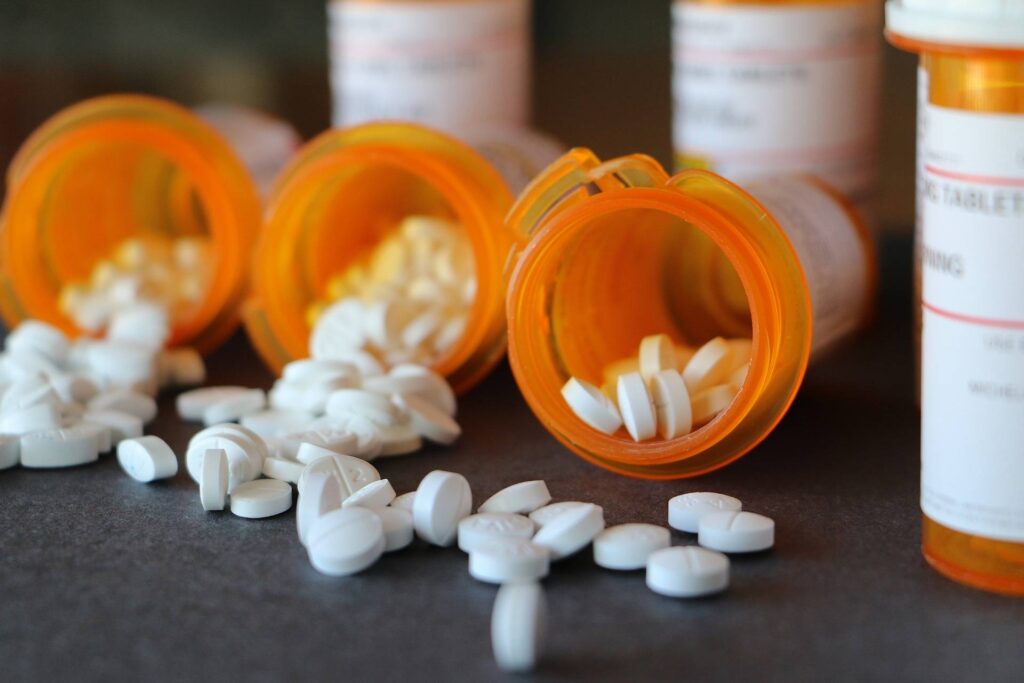
From heroin to fentanyl to prescription painkillers, opioid addiction requires careful detox, medication-assisted care when appropriate, and strong emotional support to address the trauma that often drives use.

For those who feel emotionally dependent on cannabis, our program offers clarity, structure, and the chance to reconnect with purpose and energy beyond the haze.
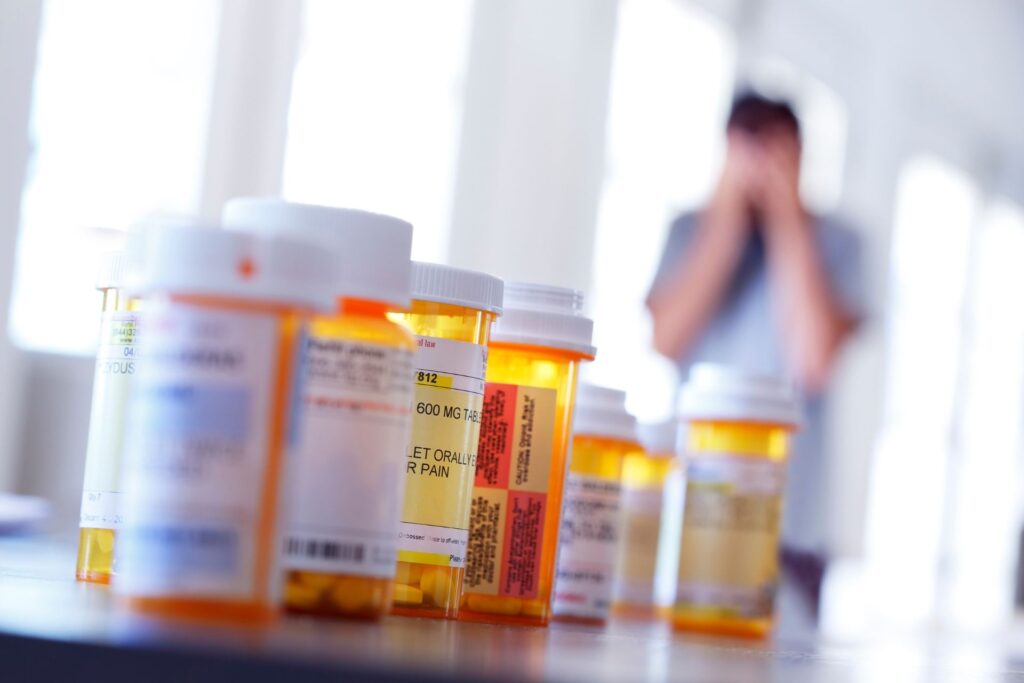
Whether painkillers, benzos, or ADHD medications, prescription drug misuse can quickly spiral into dependence. We treat this with clinical precision and deep compassion, focusing on both physical detox and emotional healing.

Cocaine, methamphetamine, and amphetamines can take a major toll on mental and emotional health. Our program helps clients rebuild from the psychological and neurological impact of long-term stimulant use.

For those facing both substance use and mental health challenges (like depression, anxiety, trauma, or bipolar disorder), we offer fully integrated care with licensed professionals who understand both sides of the story.
Chronic drinking, binge drinking, or self-medicating with alcohol often masks deeper emotional pain. We offer medical detox and trauma-informed therapy to help clients safely stop drinking, and rediscover life without it.
From heroin to fentanyl to prescription painkillers, opioid addiction requires careful detox, medication-assisted care when appropriate, and strong emotional support to address the trauma that often drives use.
For those who feel emotionally dependent on cannabis, our program offers clarity, structure, and the chance to reconnect with purpose and energy beyond the haze.
Whether painkillers, benzos, or ADHD medications, prescription drug misuse can quickly spiral into dependence. We treat this with clinical precision and deep compassion, focusing on both physical detox and emotional healing.
Cocaine, methamphetamine, and amphetamines can take a major toll on mental and emotional health. Our program helps clients rebuild from the psychological and neurological impact of long-term stimulant use.
For those facing both substance use and mental health challenges (like depression, anxiety, trauma, or bipolar disorder), we offer fully integrated care with licensed professionals who understand both sides of the story.
Recognizing when addiction and mental health challenges are occurring together is the first step toward getting the right care. If any of the following signs feel familiar, dual diagnosis treatment may be the most effective path to lasting recovery.
Understanding why dual diagnosis develops is an important part of finding the right treatment. In many cases, mental health conditions and substance use disorders don’t arise independently, they share common roots and often reinforce one another over time.
The scale of this issue is significant: according to SAMHSA’s 2024 National Survey on Drug Use and Health, approximately 21.2 million adults in the United States had a co-occurring mental illness and substance use disorder.
This represents 34.5% of all adults with any mental illness and 47.3% of adults with serious mental illness, yet despite this prevalence, only 14.5% receive integrated treatment for both disorders, while 41.2% receive neither.
Genetics can play a significant role, as individuals with a family history of mental illness or addiction carry a higher biological vulnerability to developing both. Research using twin studies has found that genetic factors can influence the risk of exposure to certain forms of trauma, and that PTSD symptoms are moderately heritable, with the remaining variance accounted for by unique environmental experiences.
Early life experiences also matter deeply. Childhood trauma exposure is associated with elevated risk for virtually all commonly occurring forms of psychopathology, including mood, anxiety, substance use, and disruptive behavior disorders, and that elevated risk persists throughout adolescence and adulthood.
Neurological factors are another key contributor, as rates of mental disorders appear to increase as the number of substance use disorders increases, meaning people with polysubstance use are especially vulnerable to co-occurring conditions.
Social and environmental pressures (including chronic stress, poverty, isolation, or exposure to violence) can further elevate risk, particularly when healthy coping mechanisms were never developed or modeled. For many, substance use begins as a way to self-medicate undiagnosed or untreated mental health symptoms.
When mental health disorders occur first, the absence of treatment for those symptoms may drive some individuals to attempt to self-medicate using alcohol or illicit substances, ultimately leading to a co-occurring substance use disorder. The symptoms of one disorder will usually worsen the symptoms of the other.
Recognizing these overlapping causes is what makes integrated, dual diagnosis treatment so essential, because addressing only one condition without the other leaves the door open for relapse and continued suffering.
Taking the first step toward dual diagnosis treatment can feel overwhelming, especially when you’re managing the weight of both a mental health condition and a substance use disorder at the same time. The good news is that the process is more straightforward than most people expect, and at Ojai Recovery, every step is guided by compassionate, experienced professionals who are with you from the very first phone call.
The process begins with a single phone call or insurance verification request. When you contact Ojai Recovery, you’ll speak with an admissions specialist who listens without judgment, answers your questions, and helps you understand your options. There’s no pressure, no commitment required, just a conversation to help you figure out if dual diagnosis treatment is the right fit for you or your loved one.
Once you’re ready to move forward, a comprehensive clinical assessment is completed. This is one of the most important steps in the dual diagnosis process because it allows our team to understand the full picture of what you’re experiencing — not just the surface-level symptoms.
The assessment typically includes:
This evaluation forms the foundation of your individualized care plan and ensures that both conditions are identified and treated simultaneously from day one.
Navigating insurance doesn’t have to be a barrier to care. Our admissions team works directly with your insurance provider to verify coverage, explain your benefits, and outline any out-of-pocket costs before you make any decisions. Ojai Recovery accepts Medi-Cal, many private insurance plans, and offers guidance for those exploring alternative payment options.
For many clients, the first phase of treatment involves medically supervised detox. This step ensures your body can safely clear substances with 24/7 monitoring and support, reducing discomfort, managing withdrawal symptoms, and keeping you safe. Detox alone is not treatment, but it is a critical gateway to the deeper healing work that follows.
Following stabilization, clients transition into full-time residential treatment, the core of the dual diagnosis healing process at Ojai Recovery. This immersive, structured program addresses both addiction and mental health simultaneously through a personalized combination of evidence-based and holistic therapies.
Residential treatment includes:
Recovery doesn’t end when residential treatment does. As clients progress, they transition into lower levels of care designed to support continued healing while gradually reintegrating into everyday life.
Outpatient options include:
From day one of treatment, our team begins building a personalized aftercare plan tailored to your life, your challenges, and your goals. Long-term recovery from dual diagnosis requires ongoing support, and leaving treatment with a clear, actionable plan significantly improves outcomes.
Aftercare may include:
There is no single answer, either a mental health disorder or a substance use disorder can develop first, and in many cases it is difficult to determine which came first at all. Some individuals begin using substances to self-medicate undiagnosed or untreated mental health symptoms like anxiety, depression, or trauma, and over time develop a dependency. In other cases, prolonged substance use alters brain chemistry in ways that trigger or worsen mental health conditions that may not have otherwise emerged.
One of the most common examples of dual diagnosis is the co-occurrence of alcohol use disorder and major depressive disorder, where an individual drinks heavily to numb emotional pain, which in turn deepens feelings of hopelessness and low mood over time.
Another frequently seen combination is PTSD and opioid addiction, particularly in individuals who turn to pain medication as a way to manage intrusive thoughts, hypervigilance, or emotional numbness following trauma.
These combinations (and many others involving anxiety, bipolar disorder, schizophrenia, and various substances) are exactly why integrated treatment that addresses both conditions simultaneously is essential for lasting recovery.
Diagnosing co-occurring disorders involves a comprehensive clinical evaluation conducted by licensed mental health and medical professionals, typically including structured interviews, standardized screening tools, and a thorough review of personal, psychiatric, and substance use history.
One of the key challenges in diagnosis is that the symptoms of mental health conditions and substance use disorders often overlap or mask one another, which is why assessment is typically conducted after an initial period of stabilization to ensure a clearer clinical picture.
At Ojai Recovery, our team uses an integrated diagnostic approach that looks at the whole person, not just isolated symptoms, to ensure that every underlying condition is accurately identified and addressed from the very first day of treatment.
Here are some questions people also ask about dual diagnosis treatment in Ventura County, dual diagnosis symptoms, and dual diagnosis treatment:
A dual diagnosis assessment is a comprehensive clinical evaluation used to identify the presence of both a mental health disorder and a substance use disorder in the same individual, typically conducted by a licensed mental health or medical professional using structured interviews and standardized screening tools. The goal is to understand how each condition relates to and influences the other, so that a fully integrated and personalized treatment plan can be developed.
The clinical term now preferred by SAMHSA and most treatment professionals is “co-occurring disorders,” which more accurately reflects the simultaneous presence of both a mental health condition and a substance use disorder. The shift in language was intentional, emphasizing the need for integrated treatment that addresses both conditions together rather than separately.
The 5 P’s is a brief screening tool used to assess substance use risk, particularly in pregnant women, examining five key areas: Parents, Partner, Past, Pregnancy, and Present use. It is widely used in clinical settings as a quick, non-judgmental way to identify individuals who may benefit from further evaluation or early intervention.
Dual diagnosis therapy refers to an integrated therapeutic approach that treats both a mental health disorder and a substance use disorder at the same time, rather than addressing each condition in isolation. It commonly incorporates evidence-based modalities such as Cognitive Behavioral Therapy (CBT), Dialectical Behavior Therapy (DBT), trauma-informed care, and motivational interviewing, all tailored to the unique needs of each individual.
Research consistently supports integrated treatment, where mental health and substance use care are delivered simultaneously by a coordinated team, as the most effective approach for dual diagnosis. According to SAMHSA, treating both conditions together produces significantly better outcomes than sequential or parallel treatment models that address each disorder separately.
Common interventions for dual diagnosis include individual and group therapy, psychiatric evaluation and medication management, trauma-informed care, motivational interviewing, relapse prevention planning, and peer support programming. The most effective intervention plans are personalized, combining clinical treatment with holistic practices such as mindfulness, yoga, and nature-based therapy to support whole-person healing.