





Kratom withdrawal in California now affects more adults than ever because state regulators declared kratom and 7-OH products illegal to sell in October 2025. This guide covers symptoms, timeline, why 7-OH withdrawal often feels more intense than whole-leaf withdrawal, and the safest paths into kratom detox and recovery care for adults in Ventura County.
Key Takeaways
- Symptoms typically begin 6–24 hours after the last dose and most often peak between days 1 and 3, with acute symptoms easing by day 7–10. Cravings, sleep changes, and low mood can linger for weeks.
- 7-OH withdrawal can feel more severe than leaf-kratom withdrawal. Concentrated 7-hydroxymitragynine binds opioid receptors more strongly, so dependence forms faster and withdrawal often resembles classic opioid withdrawal.
- California banned the sale and manufacture of kratom and 7-OH products under a CDPH advisory issued October 24, 2025. Many users in the state are now navigating sudden, unplanned withdrawal.
- Home tapering can work for low-dose, leaf-only use when no medical risk factors are present. Medical detox is generally safer for high doses, concentrated 7-OH, polysubstance use, pregnancy, or active mental health conditions.
Call (805) 273-8798 to talk through options, or verify insurance online whenever it feels right.
What Is Kratom, and What Changed in California in 2025–26?
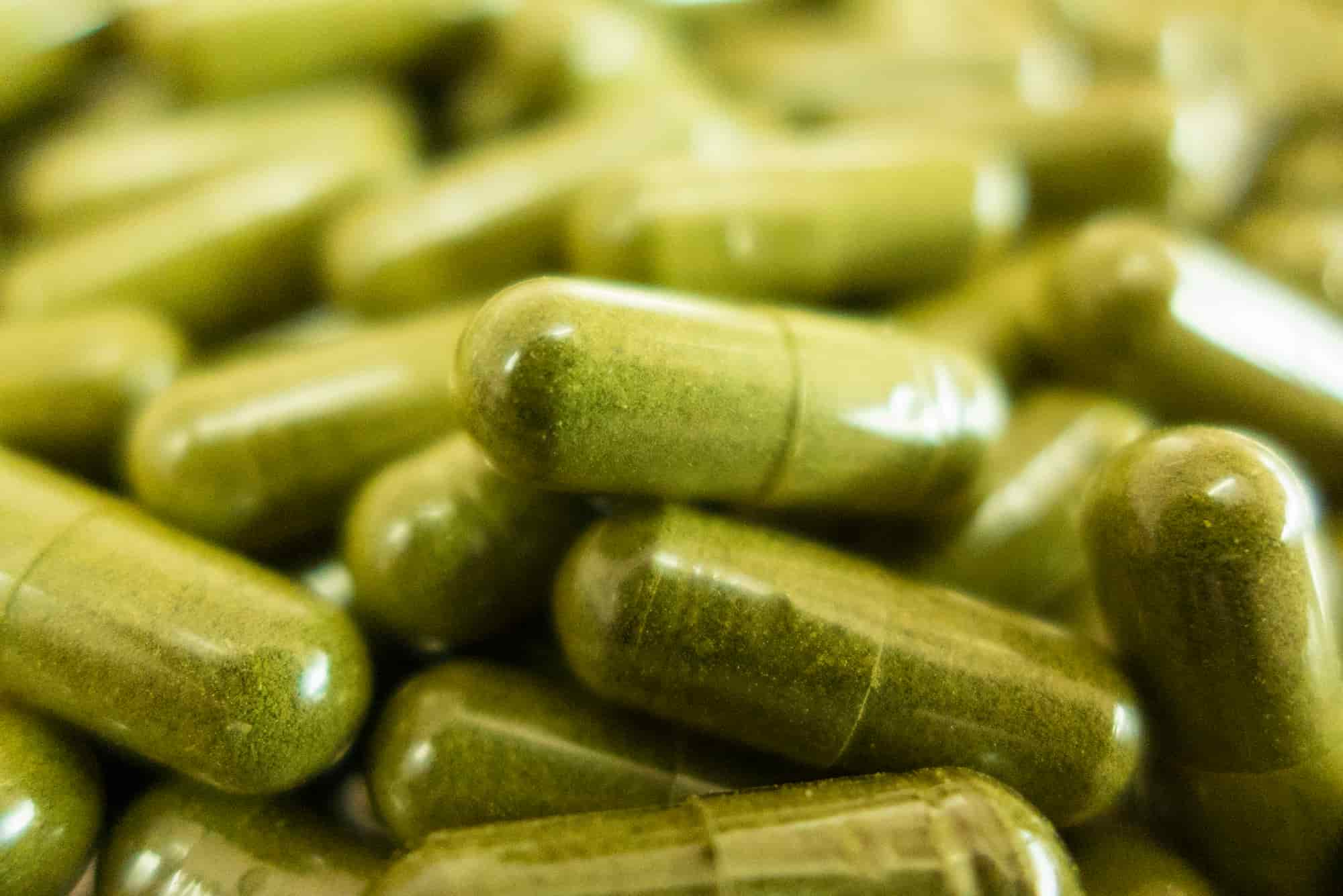
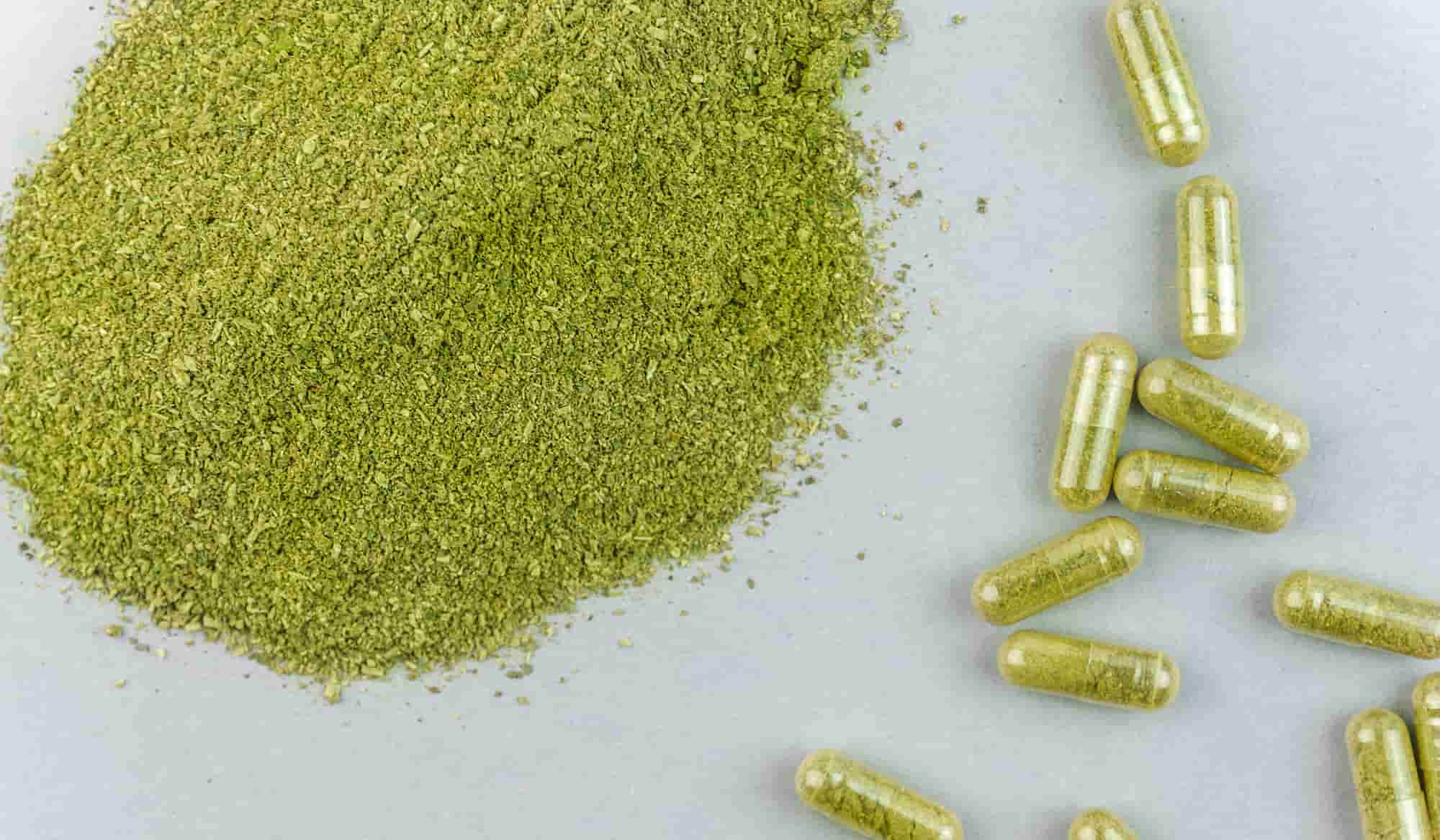
Kratom is Mitragyna speciosa, a tree native to Southeast Asia. Its leaves contain two main alkaloids, mitragynine and 7-hydroxymitragynine (7-OH), which bind to mu-opioid receptors in the brain. In recent years, kratom has been sold across the U.S. as powder, capsules, teas, gummies, “energy shots,” and concentrated extracts.
Many of those concentrated extracts contain 7-OH at levels far above what occurs in raw leaf. That distinction matters clinically and legally, because regulators have started treating concentrated 7-OH products differently from whole-leaf kratom.
California’s regulatory picture changed sharply in late 2025. On October 24, 2025, the California Department of Public Health declared kratom and 7-OH products illegal to sell or manufacture in the state. By March 2026, ABC enforcement had visited over 4,500 licensed locations and CDPH had seized more than $5 million in product.
For people who relied on local gas stations, smoke shops, or online retailers shipping into California, supply has narrowed quickly. Some readers may already be feeling withdrawal symptoms they didn’t plan for. If steady, supervised support sounds reassuring right now, our medically supervised detox is one route to safer footing.
How Kratom and 7-OH Affect the Brain
Kratom’s two main alkaloids are partial agonists at mu-opioid receptors. Mitragynine, the most abundant alkaloid in raw leaf, has relatively modest receptor affinity. 7-hydroxymitragynine binds far more strongly, by some measures 5 to 50 times more potently than mitragynine.
These alkaloids also touch adrenergic and dopaminergic systems. That helps explain why low doses of leaf kratom can feel stimulating, while higher doses or 7-OH-rich products feel sedating and opioid-like. Repeated exposure leads to receptor adaptation, tolerance, and physical dependence — the same pattern seen with prescription opioids.
When use stops, those adapted receptors are suddenly under-stimulated. The body’s autonomic systems briefly lose their balance: temperature regulation, digestion, mood, and pain signaling all shift at once. That is the physiological basis for the symptom cluster most people describe as kratom withdrawal.
Common Kratom Withdrawal Symptoms
Most people experiencing kratom withdrawal describe a flu-like cluster of physical symptoms paired with psychological distress. The National Institute on Drug Abuse describes a consistent symptom set across the clinical literature, with intensity varying by dose, duration, and product type.
Common physical symptoms include:
- Muscle aches, joint pain, and restlessness
- Sweating, chills, runny nose, watery eyes
- Nausea, vomiting, diarrhea, abdominal cramping
- Tremor, jerky limb movements, impaired coordination
- Insomnia and disrupted sleep
- Loss of appetite
Common psychological symptoms include:
- Anxiety and irritability
- Low mood and emotional reactivity
- Vivid or unsettling dreams
- Strong cravings and intrusive thoughts about using
- Difficulty concentrating, often described as “brain fog”
Get emergency care immediately for severe dehydration that won’t resolve, uncontrolled vomiting, seizures, chest pain, suicidal thoughts, or signs of altered mental status. These warrant rapid medical evaluation, not a watch-and-wait approach.
Kratom Withdrawal Timeline
The acute phase of kratom withdrawal generally moves through four stages, though individuals vary. The pattern below reflects published clinical observations and forum-based expert reports for adults using moderate-to-high doses.
| Stage | Timing | What you may experience |
| Onset | 6–24 hours after last dose | Anxiety, restlessness, mild muscle tension, early cravings, light sweating |
| Peak | 24–72 hours | Strongest physical symptoms: GI distress, muscle aches, tremor, insomnia, intense cravings |
| Resolution | Days 4–7 | Physical symptoms ease; mood swings, anxiety, and cravings often continue |
| Post-acute | 2+ weeks | Sleep disruption, low mood, cravings under stress, and “brain fog” can persist |
7-OH withdrawal often runs a faster, more compressed timeline. Onset can begin within 6–8 hours of the last dose, peaks tend to be more intense, and the resolution phase can extend longer if the product was used at high frequency or potency.
For most people on whole-leaf kratom at moderate doses, acute symptoms ease within about a week. For people using concentrated 7-OH shots or extracts, structured Residential Addiction Treatment is often the more comfortable and safer path through the worst stretch.
Why 7-OH Withdrawal Often Hits Harder Than Leaf-Kratom Withdrawal
Whole-leaf kratom contains dozens of alkaloids in low natural concentrations. Mitragynine accounts for roughly two-thirds of total alkaloid content, while 7-OH makes up less than 2%. The leaf’s natural alkaloid balance limits how strongly any single compound activates opioid receptors.
Concentrated 7-OH products break that balance. Manufacturers extract or semi-synthesize 7-OH and concentrate it into shots, gummies, tablets, and beverages. Independent testing has found commercial products with 7-OH levels well above what occurs naturally, and some products contain up to 98% 7-OH by alkaloid content.
That concentration changes how withdrawal looks in three ways. Tolerance forms faster because receptor adaptation is more aggressive, and dependence often develops within weeks rather than months.
Because 7-OH behaves more like a classical opioid, withdrawal more closely resembles opioid use disorder, with heavier autonomic symptoms, stronger cravings, and a longer subacute phase.
The FDA recommended Schedule I classification for concentrated 7-OH on July 29, 2025. Florida, Ohio, Connecticut, and California have since taken state-level action targeting these concentrated products.
Kratom Withdrawal Severity and Duration: Simple Chart
Withdrawal experiences vary widely. The factors below tend to predict more challenging acute phases and longer post-acute symptoms.
| Factor | How it shapes withdrawal |
| Daily dose | Multi-gram daily use (≈300 mg mitragynine/day or more) is associated with higher-severity withdrawal |
| Duration of use | Months of regular use creates deeper physical dependence than weeks |
| Product type | Concentrated 7-OH products tend to produce faster-onset, more severe withdrawal than whole leaf |
| Frequency of dosing | Multiple daily doses deepens receptor adaptation |
| Polysubstance use | Combining with alcohol, benzodiazepines, or opioids raises medical risk and complicates symptom management |
| Mental health history | Co-occurring anxiety, depression, or trauma can intensify psychological symptoms and increase relapse risk |
| Medical conditions | Cardiovascular issues, liver disease, or pregnancy generally warrant medical supervision |
An honest assessment of these factors helps you and a clinician choose the right level of care. For some people, an outpatient symptom plan is enough. For others, especially those with high-dose or 7-OH exposure, supervised detox protects sleep, hydration, mood, and physical safety while the body resets.
Kratom Withdrawal vs. Classic Opioid Withdrawal
Kratom and opioid withdrawal share most of their symptom set: muscle aches, GI distress, anxiety, insomnia, sweating, and cravings. The usual difference is intensity. Whole-leaf kratom withdrawal tends to be milder than withdrawal from full opioid agonists like oxycodone, heroin, or fentanyl.
Concentrated 7-OH withdrawal narrows that gap. People withdrawing from heavy 7-OH use often describe symptoms that feel indistinguishable from classical opioid withdrawal: pronounced autonomic instability, powerful cravings, and a longer subacute mood disruption.
Polysubstance use changes the calculus entirely. Combining kratom or 7-OH with alcohol, benzodiazepines, or other opioids raises the risk of seizures and respiratory depression during withdrawal. Withdrawal from those combinations belongs in a setting with 24/7 medical supervision, not at home.
Tapering vs. Medical Detox: How to Choose
For adults using lower doses of whole-leaf kratom with no medical risk factors, a slow, structured taper at home is sometimes appropriate. A common starting point is to reduce the daily dose by 10–20% per week, slowing the rate when symptoms emerge. Hydration, basic over-the-counter symptom support, and a trusted person nearby make a meaningful difference.
A taper is generally not appropriate when any of the following apply:
- Concentrated 7-OH products are involved or the product type is uncertain
- Daily doses are high or have been escalating
- Other substances are in the picture, including alcohol, benzodiazepines, opioids, or stimulants
- A history of complicated withdrawal, seizures, or psychiatric crisis exists
- You are pregnant or trying to conceive
- Significant medical conditions are present
- A previous taper attempt ended in relapse
In those situations, supervised detox is the safer call. Our kratom detox program provides 24/7 medical oversight, symptom-directed medications, and a calm, nature-rich environment in the Ojai Valley while the acute phase passes.
Medical Treatments and Medications Used for Kratom Withdrawal
No medication is FDA-approved specifically for kratom or 7-OH withdrawal. Clinicians borrow from the opioid-withdrawal toolkit and individualize treatment based on history, symptoms, and product type.
Common pharmacological approaches include:
- Buprenorphine: a partial opioid agonist that can ease cravings and severe withdrawal in heavier or 7-OH-driven cases
- Clonidine or lofexidine: alpha-2 agonists that reduce sweating, fast heart rate, and overall autonomic distress
- Symptomatic medications: antiemetics for nausea, antidiarrheals for GI symptoms, and non-opioid pain relievers for muscle aches
- Short-term sleep support: used cautiously, with clinician oversight, for severe insomnia
- Short-term anti-anxiety support: used with care given polysubstance considerations
Medication is one part of a fuller plan. Trauma-informed therapy, peer support, sleep stabilization, and family involvement all matter, especially for people whose kratom use sat on top of an underlying anxiety or depression pattern. Integrated dual-diagnosis treatment is the standard approach when both conditions are present.
Risks, Complications, and Contamination Concerns
Kratom and 7-OH have been associated with serious adverse events, especially with high doses, contamination, or polysubstance use:
- Liver injury: case reports describe acute hepatitis and elevated liver enzymes
- Seizures: especially with very high doses, 7-OH products, or co-use with alcohol or benzodiazepines
- Respiratory depression: primarily linked to concentrated 7-OH and polysubstance overdose
- Neonatal withdrawal: when used during pregnancy
- Heavy metal and Salmonella contamination: documented in unregulated commercial products
- Fatal overdose: usually involving polysubstance use; the CDC linked kratom to 846 fatal overdose cases across 30 states and D.C. in 2022, and Los Angeles County alone reported six fatalities tied to kratom or 7-OH in 2025
Naloxone, the opioid-overdose reversal medication, can reverse 7-OH-related respiratory depression and is recommended by California public health officials for anyone who has used 7-OH products. Carrying naloxone is a low-cost, high-value safety step for anyone in this situation.
Finding Kratom Detox in Ventura County
If you live in Ventura County or the Ojai Valley and recognize yourself in this article, the next step is usually a brief clinical assessment. A clinician documents your history, current symptoms, medications, and any medical or mental health conditions, then recommends a level of care that fits the situation.
Insurance verification can run alongside that conversation. Most major private insurance plans cover medically supervised detox when clinically indicated, though prior authorization is sometimes required. Our admissions team can walk you through how to get started and verify benefits quickly so the path into care isn’t held up by paperwork.
Call right away, or have a family member call, for severe agitation, chest pain, fainting, suicidal thoughts, uncontrolled vomiting, pregnancy with active withdrawal, or worsening mental health symptoms. Those signs warrant urgent clinical evaluation, not a delay.
Take a Steadier Step Today
Withdrawal is a transition, not a verdict. With the right level of support, medical when needed and gentle when possible, most people move through the acute phase and into something steadier. If you’re in the Ojai Valley, Ventura County, or the surrounding region, you don’t have to figure this out alone.
Our admissions team can talk through what you’re experiencing, answer questions about confidential insurance verification, and help you decide whether outpatient support, residential care, or medically supervised detox fits best. Conversations are confidential, and there’s no pressure to commit to anything in a single call.
Call (805) 273-8798 to speak with our admissions team.
Kratom Withdrawal FAQ
Here are some questions people also ask about kratom withdrawal, kratom addiction, and the mechanism behind kratom as an emerging substance.
Is Kratom Legal in California in 2026?
No. The California Department of Public Health declared products containing kratom or 7-OH illegal to sell or manufacture in the state on October 24, 2025. Personal possession is not currently a criminal offense, but commercial supply has been substantially disrupted.
Federal law has not scheduled kratom as a controlled substance. However, the FDA recommended Schedule I classification for concentrated 7-OH products on July 29, 2025.
How Long Do Kratom Withdrawal Symptoms Usually Last?
Acute physical symptoms most often begin within 6–24 hours of the last dose, peak around days 1–3, and ease by days 7–10 for whole-leaf use. Concentrated 7-OH withdrawal can run a faster, more intense course. Cravings, sleep disruption, and low mood can persist for several weeks into a post-acute phase.
Can You Die From Kratom Withdrawal?
Death from kratom withdrawal alone is rare. Most kratom-related deaths involve polysubstance use, contaminated products, or 7-OH-related respiratory depression.
The bigger withdrawal-period risks are dehydration from severe vomiting and diarrhea, seizures (especially with co-occurring alcohol or benzodiazepine use), and suicidal thoughts. Any of those warrant emergency care.
Will My Insurance Cover Kratom Detox?
Coverage depends on your plan and the level of care your clinician recommends. Many private insurance plans cover medically supervised detox and follow-on residential or outpatient care when clinically indicated. Calling the behavioral health number on your insurance card, or letting our admissions team verify benefits on your behalf, usually clarifies coverage in a single conversation.
Can Kratom Be Used to Treat Opioid Withdrawal?
Kratom may temporarily reduce some acute opioid withdrawal symptoms because of its opioid-receptor activity, but the trade-off is often a new dependence with its own withdrawal pattern, plus the contamination and dosing inconsistencies of unregulated products. Evidence-based options like buprenorphine or methadone, prescribed and monitored by a clinician, are generally safer.
What About Kratom Use During Pregnancy?
Kratom and 7-OH cross the placenta, and case reports describe neonatal withdrawal when used during pregnancy. Anyone pregnant or trying to conceive who is using kratom or 7-OH should seek medical evaluation rather than attempting an unsupervised taper.