Ojai Recovery treats adults experiencing substance-use disorders, including cases complicated by depression, anxiety, trauma and other co-occurring mental health symptoms.
Treatment begins with an assessment of the substances involved, withdrawal risk, physical health, mental health treatment, previous treatment and current living environment. The findings help determine whether medical detox, residential treatment or referral to another level of care is appropriate.

Treatment may begin with medically supported alcohol detox when withdrawal is a concern. Residential care then addresses drinking patterns, triggers, mental health symptoms, relationships and relapse risk.

Opioid treatment may require withdrawal management, assessment for medication options and continued residential support. Care also addresses cravings, overdose risk, trauma and co-occurring mental health symptoms.
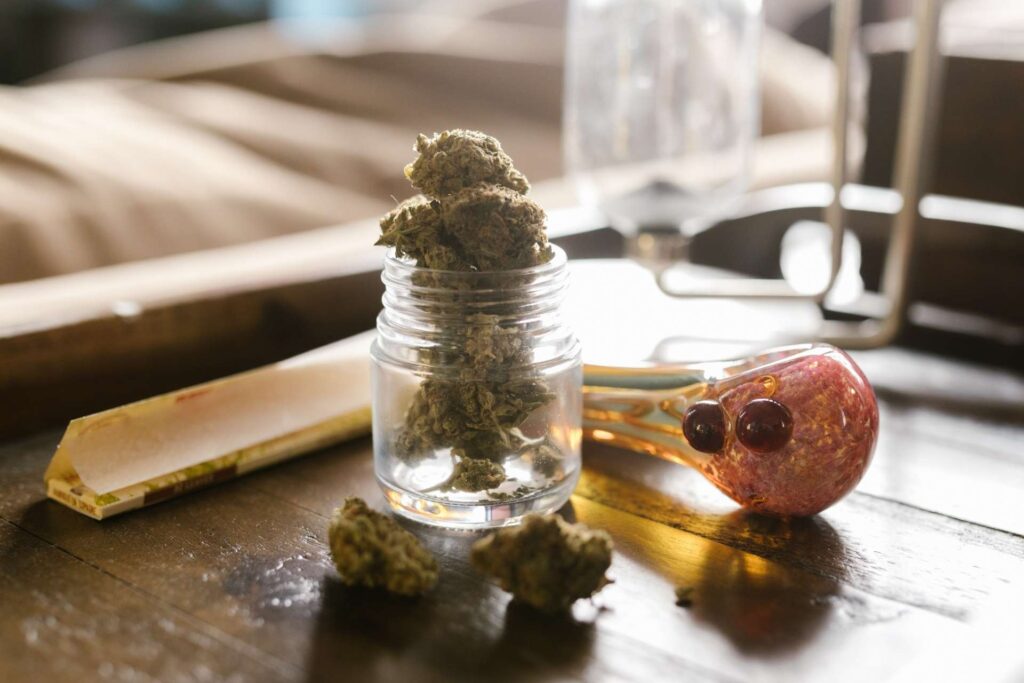
Treatment focuses on patterns of frequent or compulsive cannabis use, difficulty stopping, changes in motivation, anxiety, sleep disruption and the role cannabis has taken in daily functioning.

Care addresses misuse or dependence involving pain medications, benzodiazepines, stimulants and other prescribed drugs. Withdrawal planning varies by substance and must be guided by clinical and medical assessment.

Treatment addresses cocaine, methamphetamine and other stimulant use, including sleep disruption, mood changes, cravings, anxiety, paranoia and difficulty functioning without the substance.
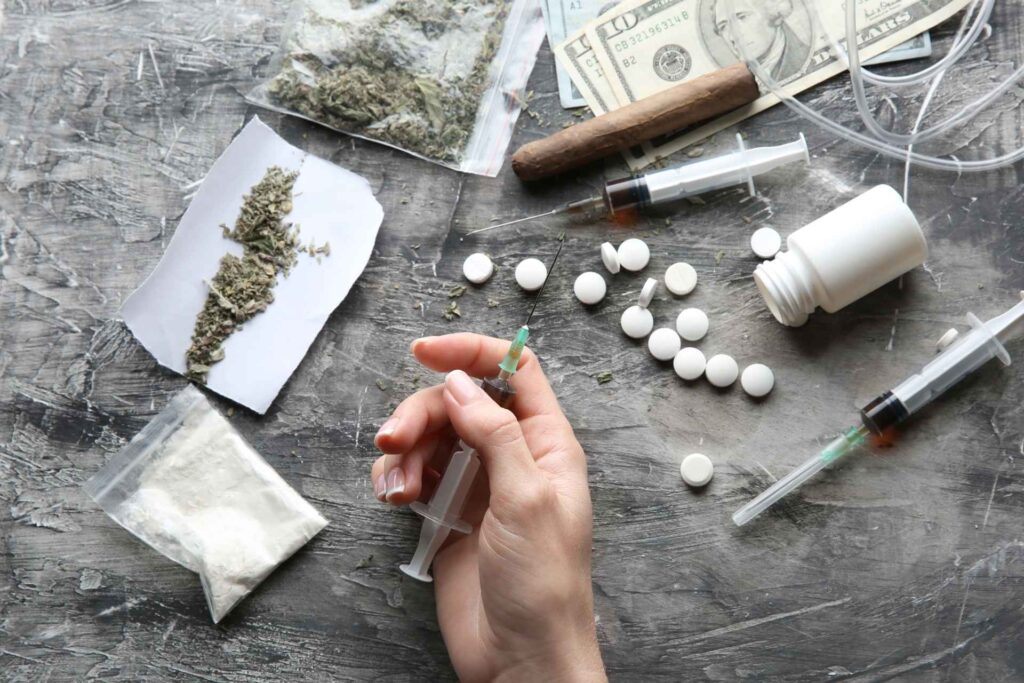
Polysubstance treatment considers the combined effects of multiple substances. Detox and treatment planning must account for overlapping withdrawal risks, medication interactions and co-occurring medical or mental health concerns.
Treatment may address persistent low mood, loss of interest, hopelessness, isolation and the ways substance use has been used to manage or escape depressive symptoms.
Care may address ongoing worry, panic symptoms, social anxiety, physical tension and substance use that has become connected to temporary relief or avoidance.
Treatment may address persistent low mood, loss of interest, hopelessness, isolation and the ways substance use has been used to manage or escape depressive symptoms.

Care may address ongoing worry, panic symptoms, social anxiety, physical tension and substance use that has become connected to temporary relief or avoidance.
When substance use and a mental health condition occur together, assessment and treatment address both. This may involve individual therapy, group therapy, psychiatric input, medication review and continuing-care planning.
We go beyond addressing substance use alone. We explore what drives the condition—what it was attempting to numb, soothe, or silence—and provide clients with new tools to face those underlying issues with courage and clarity.
Our peaceful foothill campus isn't just beautiful, it's therapeutic. Nature is a core part of how our clients calm their bodies, reconnect to the present, and begin to feel again.
Mental health and substance use challenges don't discriminate, and neither do we. Whether you're paying privately, have private insurance, or come from a background that's been underserved by the system, you'll be treated with equal dignity and care here.
You won't walk this path alone. Our social model of recovery allows dozens of clients to live and heal together, building authentic connections and long-lasting accountability.

Recovery begins with balance. By restoring physical strength and emotional stability, clients build a strong foundation for long-term healing.
Detox is guided with care, ensuring safety and comfort while the body clears substances and prepares for deeper recovery work.
Exploring root causes helps clients uncover patterns, heal unresolved pain, and develop healthier ways to cope.
Practical skills like stress management and emotional regulation support clients in facing challenges without returning to old patterns.
Building trust, communication, and supportive connections helps clients strengthen relationships and feel less alone in their journey.
With guidance and support, clients rediscover who they are, embrace their strengths, and move forward with hope and purpose.
Our medically supervised detox program provides a safe, comfortable environment for clients to withdraw from substances under 24/7 clinical care. With compassionate support and medical monitoring, we ensure the detox process is as smooth as possible while preparing clients for the next phase of treatment.
Our residential treatment offers immersive, round-the-clock support in a healing campus environment. Clients engage in individual therapy, group sessions, skill-building activities, and peer support while living in a community with others on the same journey toward recovery.
For those transitioning from residential care or needing flexible treatment options, our outpatient programs provide continued therapeutic support while clients maintain work, school, or family responsibilities. With structured sessions and ongoing accountability, outpatient care bridges the gap between intensive treatment and independent living.
One-on-one sessions with licensed clinicians provide personalized attention to each client’s unique challenges, traumas, and goals. Through evidence-based approaches, clients develop deeper self-awareness and practical strategies for sustained wellbeing.
Facilitated group sessions create space for shared experiences, mutual support, and collective healing. Clients learn from one another, practice vulnerability, and build the interpersonal skills essential for lasting recovery.
Healing happens beyond the therapy room. Through beach trips, hiking excursions, and community activities, clients reconnect with joy, build healthy relationships, and experience life in recovery as something worth celebrating.
We integrate complementary healing practices that address the holistic mind-body connection. From breathwork to mindfulness techniques, these approaches help clients regulate their nervous systems and cultivate inner peace.
Creative expression and mindful movement offer powerful pathways to processing emotions and reducing stress. Through art, yoga, and meditation, clients discover new ways to connect with themselves and release what they’ve been carrying.
Participation in community-based recovery meetings connects clients to a broader support network and time-tested principles of recovery. These meetings provide ongoing fellowship and accountability that extends well beyond treatment.
Recovery doesn’t end at discharge. Our aftercare planning and active alumni community ensure clients have continued support, resources, and connection as they navigate life beyond our campus.
Contact the admissions team to discuss treatment needs, or complete an insurance verification to review reported benefits.