Ojai Recovery offers more than treatment; it’s a place to heal, reconnect, and rediscover yourself through therapy, nature, and community. Healing happens here, inside and out.
At Ojai Recovery, our Partial Hospitalization Program (PHP) provides a safe, structured, and nurturing environment where clients can focus fully on their healing journey. While you return home each evening, you receive the intensive, individualized care you need to build a strong foundation for long-term recovery. It’s halfway between the rigidity of residential treatment and the flexibility of outpatient treatment.
With clinical support and guidance from our licensed team, every aspect of care is designed to foster stability, healing, and growth. Our treatment options integrate evidence-based therapies with holistic practices, ensuring that clients address the root causes of addiction while also strengthening their physical, emotional, and spiritual well-being.
Clients follow a balanced daily schedule that includes individual therapy, group sessions, mindfulness practices, and restorative activities, such as time in nature, movement, and expressive arts. This integrative approach helps clients develop healthy coping strategies, improve self-awareness, and rediscover purpose in their lives.
At Ojai Recovery, we believe healing happens in community. Through peer support, family involvement, and personalized aftercare planning, clients leave our PHP prepared and empowered to continue their journey with confidence and resilience.
Ojai Recovery provides medical detox and residential treatment for individuals across Ventura County, Santa Barbara County, and Los Angeles County. We regularly support clients from Ojai, Ventura, Santa Barbara, Thousand Oaks, Camarillo, and Los Angeles. We offer a structured, clinically-driven environment designed for lasting recovery with most major insurance plans accepted and same day admissions.
Our PHP provides intensive, daytime on-campus care for individuals seeking lasting recovery from substance abuse, drug addiction, and co-occurring mental health conditions. With a community-focused setting, Ojai Recovery offers structure, safety, and vibrant peer support—all in a serene, nature-immersed environment—while you return home each evening.
One-on-one individual counseling with a licensed therapist to address personal challenges and recovery goals.
Strengthen your body and mind with nourishing meals, restorative practices, and the grounding power of nature.
Structured peer support systems that encourage accountability and lasting recovery within the program community.
Involve loved ones in the process and create a clear plan for continued care after PHP completion.
Reduce stress and deepen self-awareness through creative expression, meditation, and calming practices
Diagnosis and treat co-occurring mental health and substance use disorders, getting to the root of the issues together.
Reconnect with your body and nature through hiking, yoga, and other outdoor activities that support healing.
Build connection and gain support by sharing experiences and learning from peers in guided group settings.
Ojai Recovery’s PHP is designed to provide the best substance abuse services for people struggling with drug and alcohol problems. Medication-assisted treatment, care management, and holistic recovery services are just a few things our program offers. We include evidence-backed methods for individual treatment, such as:
Ojai Recovery offers PHP-level care integrating trauma-informed therapy, holistic modalities, and aftercare planning to address addiction's physical and psychological roots.
Ojai Recovery treats drug addiction (opioids, stimulants, prescription, polysubstance) through PHP treatment addressing trauma, co-occurring conditions, and relapse prevention.
Ojai Recovery treats polysubstance addiction through personalized PHP therapy to manage complex, overlapping withdrawal symptoms and health risks from multiple substance use.
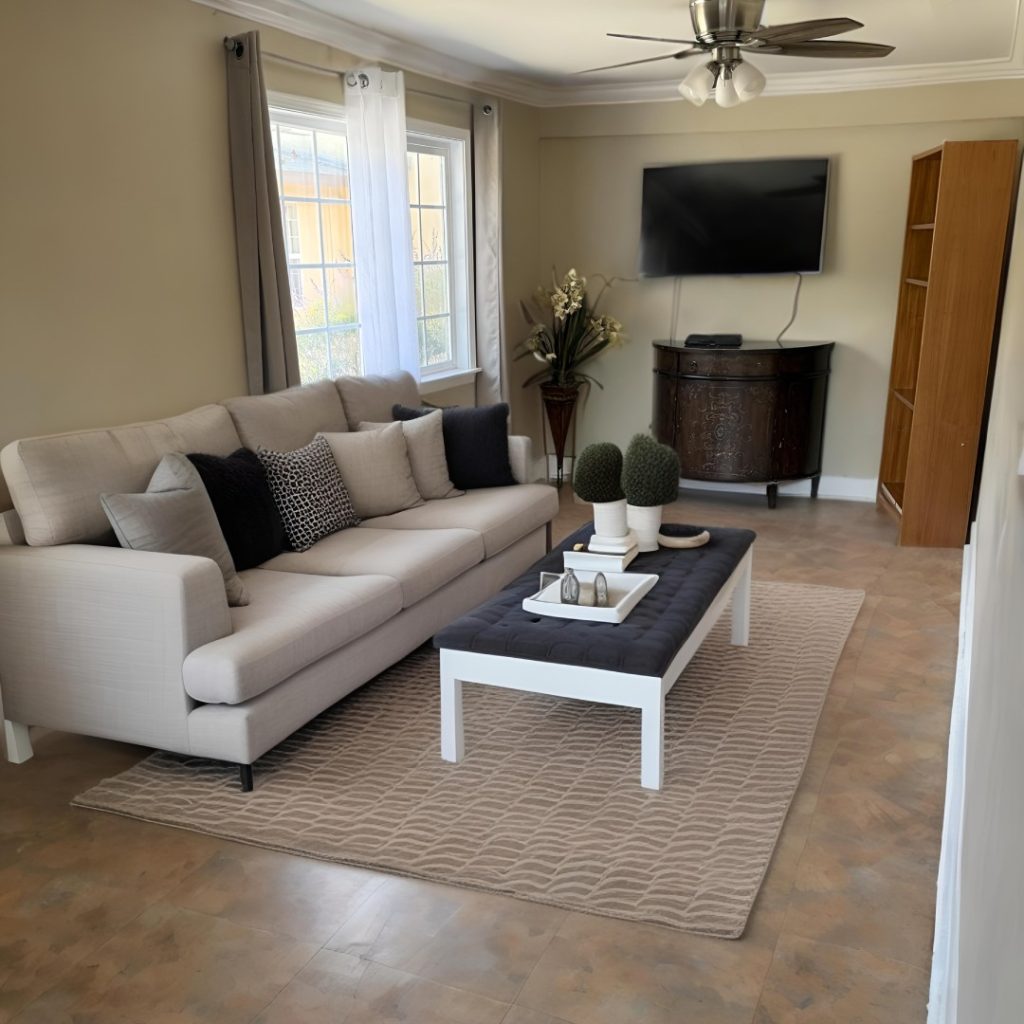
Unlike clinical treatment settings that feel cold or institutional, Ojai Recovery offers an environment designed to soothe, ground, and nurture your nervous system. Here, healing begins with:
We provide comprehensive PHP care for individuals struggling with alcohol, drugs, or polysubstance use. Our approach addresses both the physical and emotional aspects of addiction, helping clients build a strong foundation for lasting recovery.
Many people face substance use alongside depression, anxiety, PTSD, or trauma. Our integrated PHP treatment supports both conditions simultaneously, promoting true healing and long-term stability.
Relapse does not mean failure — it signals the need for renewed support. We help clients process setbacks, strengthen coping skills, and regain confidence in their recovery journey.
When life feels unmanageable due to stress, loss of purpose, or emotional challenges, our PHP offers structure and guidance to restore balance, resilience, and direction.
We understand how grief, exhaustion, and disconnection can impact recovery. Through compassionate care, we help clients process difficult emotions and reconnect with themselves and others.
Beyond our staff, the environment itself is designed to support nervous system regulation and emotional stability.
Unlike traditional facilities that isolate clients in small groups, our PHP hosts a thriving community in a communal, peer-driven environment. You'll form meaningful connections, learn from others, and rediscover your sense of belonging.
Set in the Ojai Valley's breathtaking foothills, our setting is more than beautiful — it's intentional. Daily access to fresh air, trails, gardens, and open skies helps clients ground, reflect, and reconnect with the present moment.
We believe recovery should feel alive, not institutional. Our program includes outings, creative arts, movement, and real-life experiences that reignite joy and purpose. It's not just about avoiding relapse — it's about learning how to live again.
Our therapists are licensed, experienced, and deeply compassionate. We use evidence-based modalities such as CBT, DBT, and trauma recovery frameworks to support deep emotional healing without shame or judgment.
Too many programs treat mental health and addiction separately. We don't. Our integrated care model addresses both simultaneously, because that's how real healing happens.

We support individuals facing substance use disorders, co-occurring mental health challenges, relapse struggles, and emotional hardships such as grief, burnout, or loss of purpose. Our care is personalized to meet each person’s unique needs.
Begin the day with structured mindfulness, gentle movement, or breathing exercises designed to regulate the nervous system and set an intentional tone for the therapeutic work ahead.
A brief group gathering where participants share how they're feeling, set personal intentions for the day, and build accountability within a supportive peer community.
Skill-building sessions rooted in evidence-based approaches like DBT, CBT, or trauma-informed care — covering topics such as emotional regulation, distress tolerance, cognitive distortions, and coping strategies.
One-on-one time with a licensed therapist or prescribing psychiatrist to review progress, adjust treatment goals, manage medications, and process personal challenges in a private, confidential setting.
Structured sessions that include loved ones in the healing process — addressing communication, boundaries, and the family's role in long-term recovery.
Close the day with a grounding ritual, a review of coping tools to use at home, and a check-out that honors the emotional work done — sending participants home with intention rather than just ending abruptly.
A Partial Hospitalization Program is an intensive recovery program where you attend structured treatment at our facility during the day while returning to your home or a sober living environment each evening. At Ojai Recovery, you’ll experience healing in a vibrant, connected community where therapy, holistic wellness, and the tranquil beauty of nature work together to guide you back to yourself. This highly structured program allows you to focus intensively on recovery while maintaining a connection to your home environment—building the foundation for lasting change.
| Partial Hospitalization (PHP) | Outpatient Treatment |
Living Situation | Return home each evening; healing-focused days on campus | Continue living at home with minimal structure |
Time Commitment | Intensive daytime programming, typically 5–6 hours daily, 5 days a week | Scheduled sessions, usually a few hours per week |
Support Availability | Access to compassionate care teams throughout the full program day | Support during scheduled appointments only |
Treatment Intensity | Comprehensive, multi-layered approach with daily therapeutic activities | Focused sessions with longer intervals between treatment |
Structure | Thoughtfully designed daily routine that builds healthy habits | Flexible schedule that works around your daily life |
Environment | Protected therapeutic sanctuary during the day, free from triggers | Remain in your usual environment with ongoing triggers |
Peer Support | Vibrant recovery community with daily connection and encouragement | Limited peer interaction, mainly during group sessions |
Cost | Investment in comprehensive daytime care and holistic services | More affordable, typically covered better by insurance |
Best For | Those stepping down from residential care or needing intensive support while maintaining home life | Mild to moderate conditions with strong home support system |
Daily Life Impact | Dedicated daytime hours to focus on healing; evenings at home | Maintain work, school, and family commitments with minimal disruption |
Medical Supervision | Daily clinical monitoring and responsive medication management | Periodic check-ins with medical providers |
Privacy | Supportive community living with peers who understand your journey | Complete privacy in your own home |
Choosing a PHP is a courageous step toward wellness, and it comes with some wonderful advantages that can make all the difference in your recovery journey:
Here are some questions people also ask about PHP programs, addiction treatment services, and mental health more generally.
A partial hospitalization program provides intensive, structured mental health treatment for individuals who need more support than traditional outpatient therapy but don’t require 24-hour inpatient care. PHPs offer a bridge between residential treatment and outpatient care, helping patients stabilize, develop coping skills, and build a foundation for long-term recovery.
A partial hospitalization program (PHP) is more intensive than an intensive outpatient program (IOP), typically requiring attendance for 5-6 hours a day, 5 days a week, compared to IOP’s 3-hour sessions, 3 days a week. PHPs are better suited for individuals who need a higher level of structured support, while IOPs are generally appropriate for those who are more stable and transitioning back to everyday life.
Research suggests that PHPs are highly effective, with studies showing comparable outcomes to inpatient care for many mental health conditions when patients are appropriately matched to the program. Success rates vary depending on factors like the individual’s diagnosis, engagement in treatment, and the quality of aftercare planning following discharge.
The length of a partial hospitalization program varies based on individual needs, but most people attend for two to four weeks. Duration is regularly reassessed by the treatment team, and patients may step down to a less intensive level of care, such as an IOP or outpatient therapy, as they make progress.
PHPs typically serve individuals with conditions such as depression, bipolar disorder, anxiety disorders, PTSD, personality disorders, and dual diagnosis who need more support than weekly therapy but don’t require 24-hour inpatient care.
PHPs are designed to treat a broad range of mental illness, including mood disorders, post-traumatic stress disorder, personality disorders, bipolar disorders, social anxiety, and dual diagnosis. Programs may also accommodate individuals with Autism Spectrum Disorder, ensuring that treatment is tailored to each person’s unique clinical needs.
PHPs commonly offer a combination of individual therapy, group therapy, family therapy, and evidence-based approaches like Cognitive Behavioral Therapy (CBT) to address a wide range of mental health needs.
The therapeutic interventions used in a PHP span a variety of treatment methods, including family counseling, educational sessions, and structured group therapy sessions designed to build social skills. These evidence-based treatment modalities, particularly Cognitive Behavioral Therapy, are carefully selected to address each patient’s goals and support lasting recovery.
A PHP is typically recommended when your symptoms are severe enough to require intensive, structured support for several hours a day, whereas standard outpatient care is better suited for those who are stable and need only occasional therapy sessions.
PHPs sit between residential treatment and traditional outpatient care on the continuum of care, making them ideal for individuals who need more structure than a standard outpatient setting can provide without requiring an overnight stay. If you are stepping down from residential treatment or your symptoms are intensifying in an outpatient setting, a PHP may be the most appropriate next level of care.
A PHP treatment team typically includes psychiatrists or psychiatric providers, licensed therapists, case managers, and sometimes nurses or peer support specialists who collaborate to deliver coordinated, comprehensive care.
The clinical team works together to develop and regularly update each patient’s treatment plan, ensuring that psychiatric providers, therapists, and case managers are aligned on progress and goals. This collaborative treatment team approach ensures that every aspect of a patient’s mental health care — from medication management to therapy sessions — is coordinated and cohesive.