Cocaine detox is the medically supervised process of stabilizing your body and mind after you stop using cocaine or crack. At Ojai Recovery in Oak View, you detox with 24/7 care in a calm, trauma-informed setting, then move into ongoing treatment on the same campus.

2 reviews
3 months ago
This place has changed my life! I never envisioned having an awakening until I came to this place. It is the best place in Ventura County. They have the most amazing staff who go out of their way to be there for you I personally Experienced so much love from them..extra bonus best food ever!

1 review
2 months ago
As a parent, I am so grateful to Ojai Recovery. My son they did help when I was almost desperate. He’s just hit one year sober and is doing great.

62 reviews
A month ago
Beautiful property! Staff is absolutely amazing and will help anyway they can!! A++
1 review
2 months ago

1 review
A day ago
Most people start with medically supervised detox, then step down into residential treatment, a partial hospitalization program, or outpatient care based on clinical need and safety.
| Level of care | Typical length | Medical oversight | Setting | When it fits |
|---|---|---|---|---|
| Medically supervised detox | Typically several days | 24/7 care with physician oversight | Licensed detox at our Oak View facility | Stabilizing safely when withdrawal carries medical or psychiatric risk |
| Residential treatment | Typically 30 to 90 days | Daily clinical support | Live-in program, same campus | After stabilization, for the deeper therapeutic work |
| Partial hospitalization (Ventura) | Set by clinical need | Structured clinical oversight | Day treatment, return home at night | Intensive therapy once you are medically stable |
| Outpatient treatment | Set by clinical need | Regular clinical review | Group and individual sessions | Structured support while living at home |
| Aftercare and alumni | Ongoing | Periodic follow-up and peer support | Community-based | Staying connected after formal treatment ends |
Explore related programs
Stimulant withdrawal is rarely dangerous in the way alcohol or benzodiazepine withdrawal can be, but it can be severe, and the psychiatric and cardiac risks are real. Supervision matters most when any of the following apply.
Detox stabilizes your body so clinical work can begin safely. What follows is where the change holds: therapy, care for co-occurring conditions, and a relapse-prevention plan built around your triggers and history.
We screen for and treat co-occurring mental health conditions alongside detox, because stimulant withdrawal and depression frequently arrive together.
At intake you receive a clinical and medical assessment, including a safety screen. Your care team monitors mood throughout detox and adjusts the plan as your symptoms change. Findings are documented and shared with you as part of your treatment plan.
Conditions we commonly treat alongside cocaine use include depression, anxiety, PTSD, and bipolar disorder.
Related conditions
| Phase | Typical timing | Common symptoms | What we do |
|---|---|---|---|
| Onset | Within hours to about a day after last use | Anxiety, agitation, cravings, disrupted sleep | Initial medical and clinical screening, vitals, cardiac and psychiatric risk assessment |
| Peak | Around days 2 to 4 | Marked mood swings, intense cravings, heavy fatigue | Close monitoring, safety checks, medication adjustment as clinically appropriate |
| Easing | Around days 7 to 10 | Symptoms begin to settle, mood may stay low | Clinical review and planning for your next level of care |
| Post-acute | Weeks to months | Ongoing cravings, mood and sleep changes | Continued therapy, clinical support, peer groups |
| Emergency signs | Any time | Chest pain, irregular heartbeat, seizure, thoughts of self-harm | Immediate escalation to emergency care |
At-home detox kits are not a substitute for supervised care when medical or psychiatric risk is present.
We verify your insurance free and confidentially before admission, so you know where you stand before you arrive.
How to verify: start online through our verify-insurance page, or call admissions. Have your insurance card (member ID and group number) and a photo ID ready.
Coverage. We are in-network with select private carriers, and we accept private insurance and self-pay. Network status and benefit levels vary by plan. Some plans require prior authorization, and we help you gather what your plan asks for. After verification, admissions will explain what your plan covers. We cannot guarantee coverage or cost.
Timing. Same-day admission is often possible, subject to clinical assessment.
Ojai Recovery is accredited by The Joint Commission, licensed by California DHCS (license #560086BP, expires 02/28/2027), and LegitScript certified.
Detox here is overseen by our Medical Director, Dr. Gina Rossetti, MD, a physician working in addiction medicine, alongside Clinical Director Oriana Murphy, LCSW.
Detox and residential treatment happen at the same facility with the same clinicians. You do not transfer, and you do not start over with new providers.
We screen for and treat co-occurring conditions during detox rather than deferring them, so mood and safety are addressed while your body stabilizes.
Ojai Recovery 158 Rockaway Rd Oak View, CA 93022 (805) 273-8798
Our addiction recovery programs are designed to help you slow down, focus inward, and find balance. In the heart of Ojai’s natural beauty, you’ll experience an environment that nurtures both mind and body, with gentle mountain breezes, open skies, and quiet moments that remind you how good life can feel.
We serve adults across Ventura County, including Ojai, Ventura, Oxnard, Camarillo, Thousand Oaks, Simi Valley, Santa Paula, Fillmore, Port Hueneme, Moorpark, and Oak Park; Santa Barbara County, including Santa Barbara, Goleta, Carpinteria, and Summerland; and the western edge of Los Angeles County, including Agoura Hills, Westlake Village, and Chatsworth.
We look at your whole health picture: mind, body, and spirit. During heroin and opioid detox in Ventura County, CA, we offer therapy, yoga, meditation, nutrition guidance, and life skills training. These tools help you build a strong foundation for lasting recovery.

Chronic drinking, binge drinking, or self-medicating with alcohol often masks deeper emotional pain. We offer medical detox and trauma-informed therapy to help clients safely stop drinking, and rediscover life without it.

Stopping benzodiazepines suddenly can be dangerous. Our program manages the taper under medical supervision, with clinical support for the anxiety and sleep problems that often sit underneath the dependency.

Cocaine use tends to escalate in cycles, with the crash driving the next use. Treatment focuses on breaking that pattern, stabilizing mood, and rebuilding the routines cocaine pushed aside.

Fentanyl dependency builds quickly and withdrawal is difficult to get through alone. Our medically supervised detox manages that safely, with continued care to protect the stability you gain.

Cannabis dependency is easy to dismiss and hard to stop when motivation, sleep, and mood have shifted around it. Treatment here takes it seriously, without judgment.

Long-term methamphetamine use takes a heavy toll on thinking, sleep, and mood, and recovery is not fast. Care here combines residential structure with treatment for the mental health effects.

From heroin to fentanyl to prescription painkillers, opioid addiction requires careful detox, medication-assisted care when appropriate, and strong emotional support to address the trauma that often drives use.

Whether painkillers, benzos, or ADHD medications, prescription drug misuse can quickly spiral into dependence. We treat this with clinical precision and deep compassion, focusing on both physical detox and emotional healing.
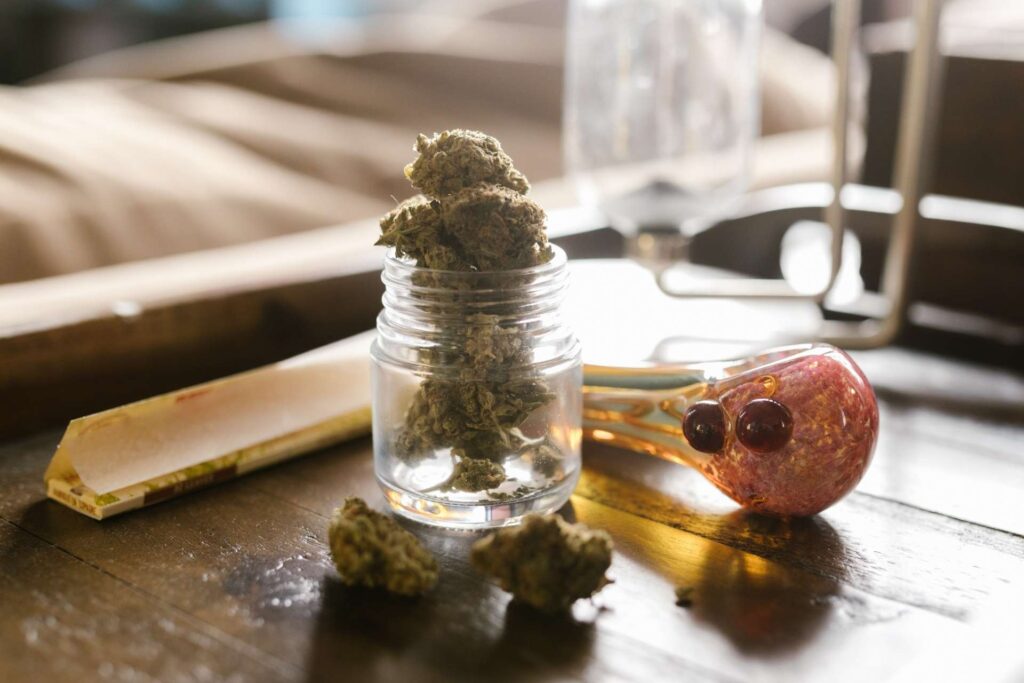
For those who feel emotionally dependent on cannabis, our program offers clarity, structure, and the chance to reconnect with purpose and energy beyond the haze.

Cocaine, methamphetamine, and amphetamines can take a major toll on mental and emotional health. Our program helps clients rebuild from the psychological and neurological impact of long-term stimulant use.
For those facing both substance use and mental health challenges (like depression, anxiety, trauma, or bipolar disorder), we offer fully integrated care with licensed professionals who understand both sides of the story.
Coverage depends on your plan and on whether detox is documented as medically necessary. Many plans cover medically supervised detox. We verify your benefits free and confidentially, explain any prior authorization your plan requires, and tell you what we find. Network status and benefit levels vary by plan.
Most people need several days of monitored care to stabilize. Your exact length of stay depends on your pattern of use, your medical history and how your symptoms respond, and your care team will give you a clearer timeline after intake.
Intake includes a medical and clinical assessment and a safety plan for managing withdrawal. The assessment determines the right level of care and whether you need closer monitoring or medication support.
Supervised inpatient detox is generally recommended for heavy or long-term stimulant use, serious medical issues, active psychiatric symptoms, or unstable housing. In those situations, a monitored setting is safer than detoxing at home.
We assess cardiac and psychiatric risk at intake and monitor you throughout detox. If concerning signs appear, we escalate immediately to emergency care, and we explain your safety plan upfront.
Unsupervised detox can miss cardiac and psychiatric problems and delay help when something goes wrong. A supervised setting is the safer choice for most people, especially with heavy use, existing health conditions or a history of depression.
No medication is approved specifically to treat cocaine use disorder. Clinicians treat symptoms as they arise, and every medication decision is individualized and made by the treating provider.
Most people step into residential treatment on the same campus, then into partial hospitalization, outpatient care and aftercare. Your team builds that plan with you during your first week.